
Love as Devotion: Exploring Bhakti Saints
Who are the Bhakti poet-saints?
Bhakti: a movement of intimate devotion—where the sacred is met as beloved, friend, child, or teacher, and love becomes a practice of longing, closeness, and trust. Bhakti is often practiced through song and poetry.
Bhakti poets gave themselves to the Divine the way one gives oneself to a beloved—or to a teacher who remakes your life. At the core of bhakti is surrender: not defeat, but a self-offering that rearranges the self.
Bhakti crossed religious lines. As devotional cultures grew across South Asia, bhakti poetry and Sufi traditions developed side by side, sharing languages, metaphors, melodies, and ideas of longing and surrender. Many poet-saints drew on both Hindu and Muslim devotional idioms in everyday life—modeling a spirituality that could be deeply rooted and still porous, plural, and neighborly.
Bhakti reshaped how love is spoken about across South Asia—love as devotion, devotion as longing, longing as a kind of truth-telling. In many bhakti traditions, love slips past borders we inherit: between prayer and romance, friendship and worship—and can unsettle rules about gender, caste, and belonging.
Here are three Bhakti saints that challenge how we think about love – across and along gender, religious, and caste lines.
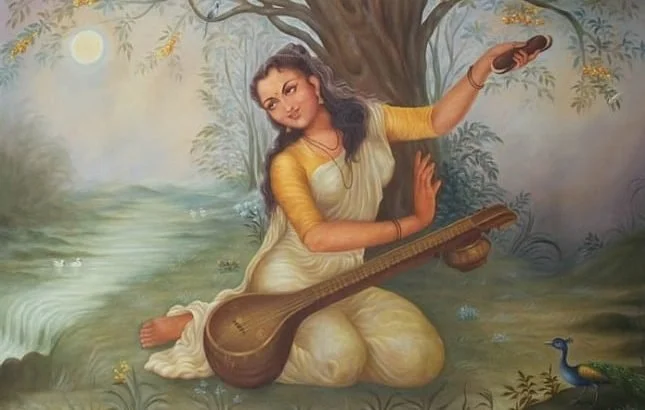
Mirabai (1498 - 1547)
A beautiful and intelligent Rajput princess well-versed in music, religion, and politics, Mira Bai worshipped Krishna as her Divine Lover. Her devotion to religious pursuits positioned her as a rebel, as instead of following her royal duties she preferred to spend her days in her private temple, composing songs for Krishna. Several attempts were made on her life, and eventually, Mira Bai abandoned royal life, instead choosing to set off on a series of pilgrimages.
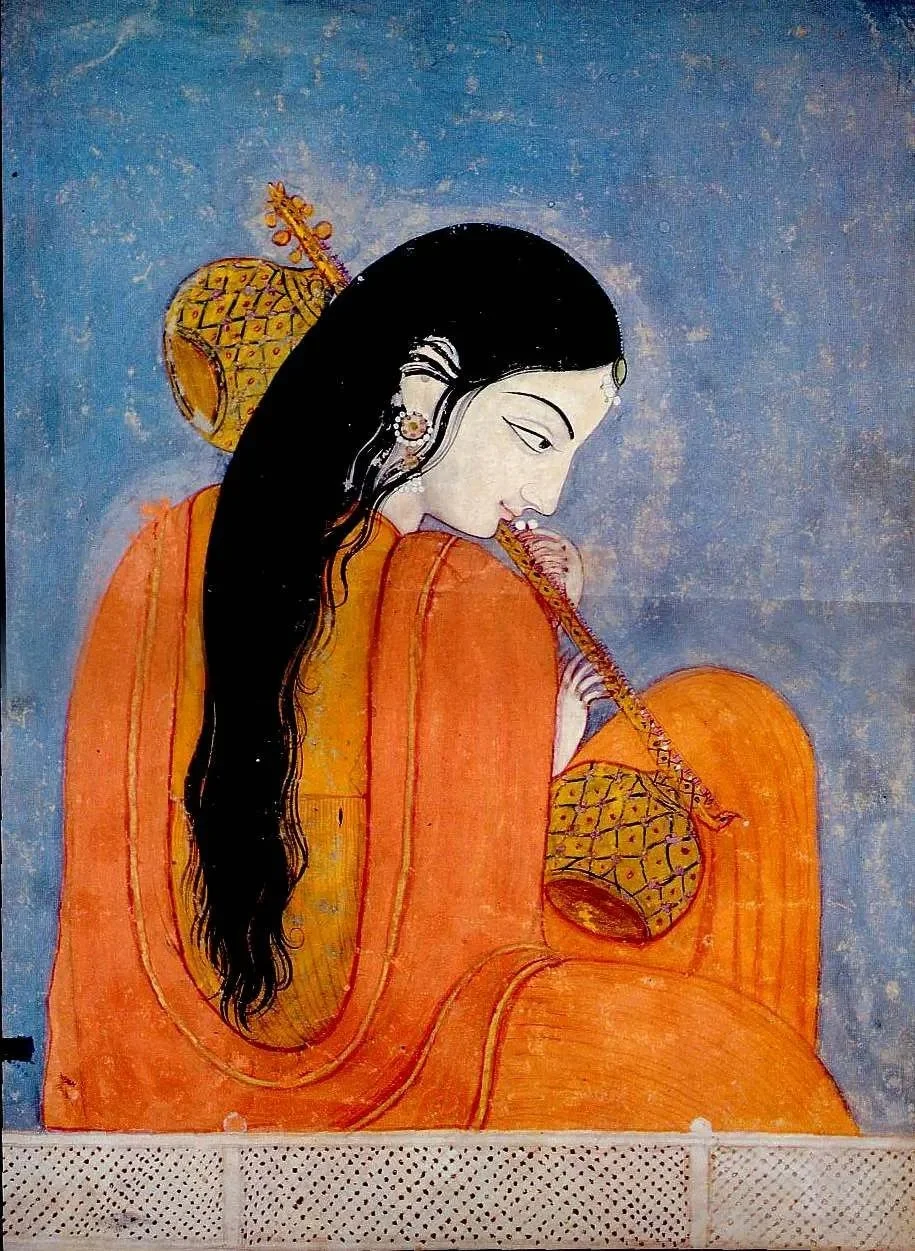
In 1546, the crown sent a delegation to bring her back to Mewar, where she previously resided before her husband passed. Before they took her, she asked if she could spend one final night at a temple to Krishna. They obliged – and Mira Bai disappeared.
Did she escape and spend the rest of her years on pilgrimages in disguise? Did she merge with the image of Krishna and become one with him in the temple? Only Mira Bai knows.
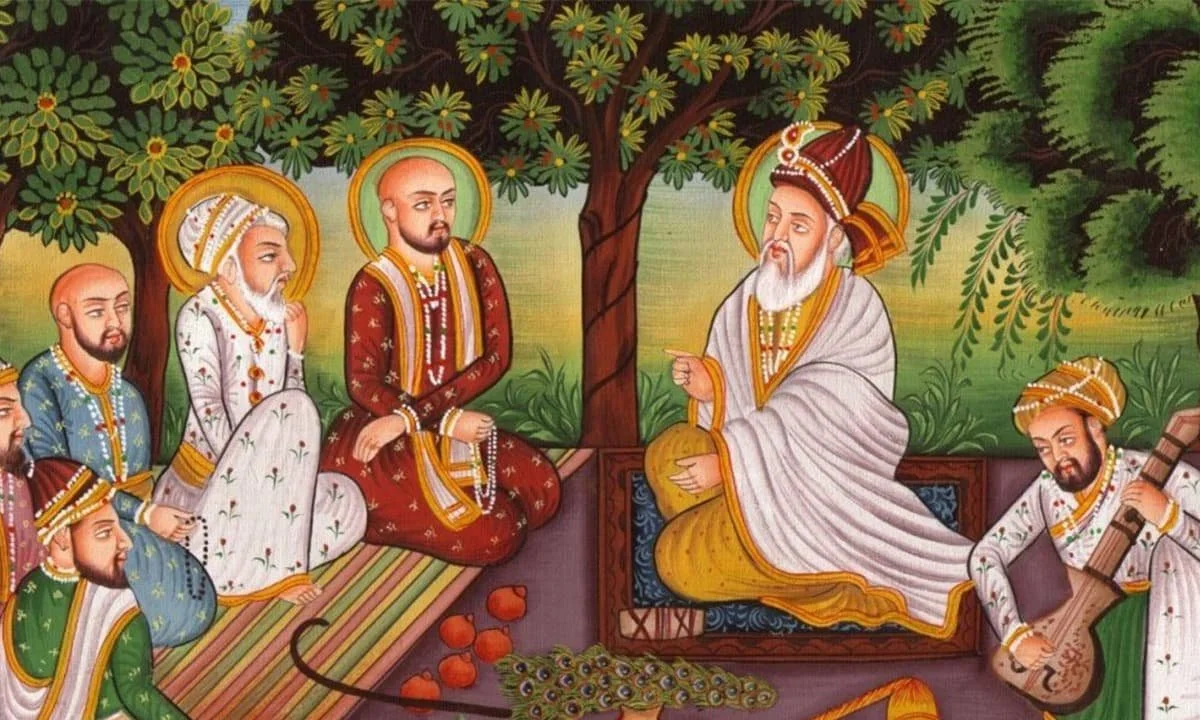
Kabir (1440 - 1518)
Kabir is remembered as a poet-saint revered across communities—by many Hindus, many Muslims, and Sikhs alike. His early life is wrapped in competing stories, but many traditions place him in a weaver community—marginalized within the caste order—and shaped by the everyday intimacy of a mixed religious landscape. Kabir’s poetry refuses tidy labels, moving between devotional worlds while criticizing empty ritual and inherited status—insisting on the Divine beyond our fences.
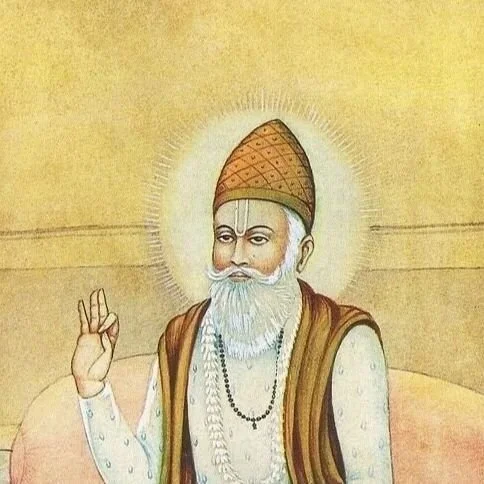
Kabir’s devotion moves in more than one register: he calls on Allah and Ram—not as rival gods, but as names for the One beyond our fences.
His songs became a major force in devotional poetry across North and Central India, and they continue through the Kabir Panth, a living community of practice shaped by his teachings.
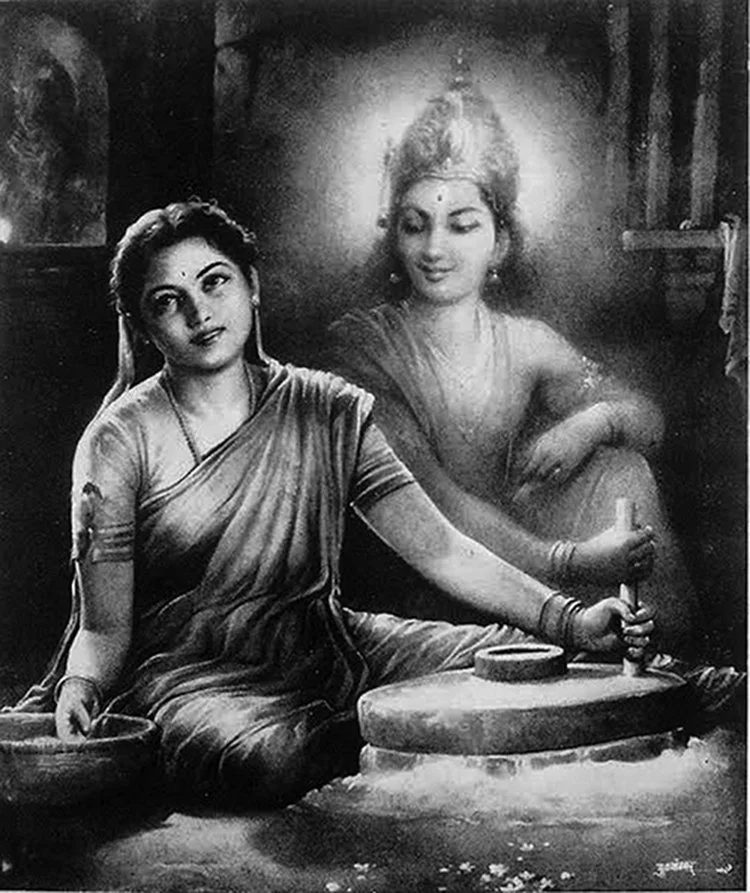
Janabai (1258 - 1350)
Janabai’s life and poetry open a window onto bhakti’s ability to make space for voices pushed to the margins. Born in Maharashtra in the 13th century, she is remembered as part of the Matang community. She lived and worked in Pandharpur, in the household associated with the poet-saint Namdev, and her devotion took root in a world of pilgrimage, song, and everyday labor. Janabai became a devoted voice of Vithoba (Vitthal)—a beloved form of Krishna worshipped in Maharashtra’s bhakti traditions.
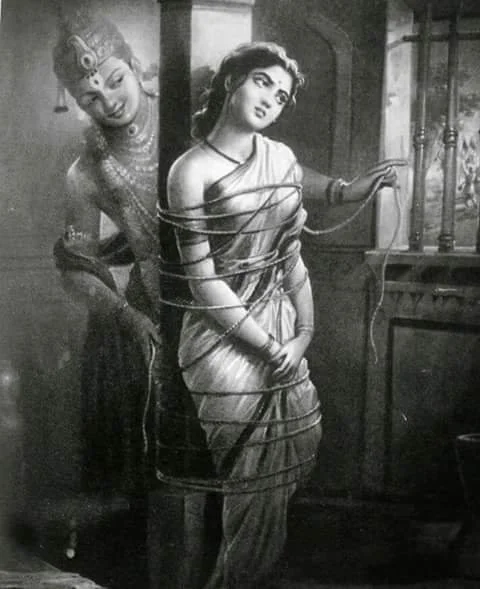
Janabai’s poems hold two truths at once: longing for intimacy with the Divine—and an unblinking eye on the social world. She speaks about caste, exclusion, and the norms that keep people “in their place,” especially people from communities like her own.
And she does it by making the everyday sacred: water pots, brooms, grinding stones, courtyards—ordinary labor turned into devotional language. In Janabai, the line between home and temple grows thin.