
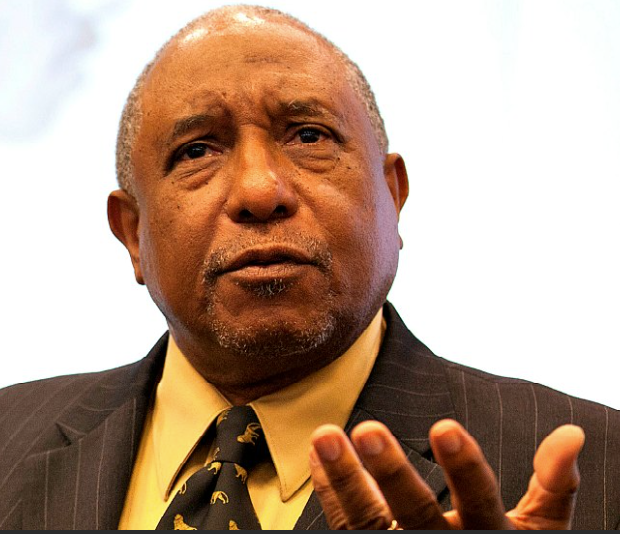
This week, as thousands gather in Selma, Alabama for the annual Bridge Crossing Jubilee—commemorating the historic marches that helped secure the Voting Rights Act of 1965—we also pause to mourn and honor one of the movement’s quiet architects. Dr. Bernard Lafayette, a lifelong practitioner and teacher of nonviolence, passed away on March 5, 2026 at the age of 85.
Hindus for Human Rights is in Selma this week, joining faith leaders, activists, and community members for the Jubilee. Dr. Lafayette was to be honored during this year’s gathering. That recognition will still take place—but now it will carry the weight of remembrance, gratitude, and grief.
Dr. Lafayette’s work helped make Selma possible long before the images of “Bloody Sunday” shocked the nation. In 1963, two years before the brutal attack on voting rights marchers on the Edmund Pettus Bridge, Lafayette quietly moved to Selma as director of the Alabama Voter Registration Campaign for the Student Nonviolent Coordinating Committee (SNCC). At the time, many organizers believed Selma was too dangerous to work in. Lafayette insisted otherwise.
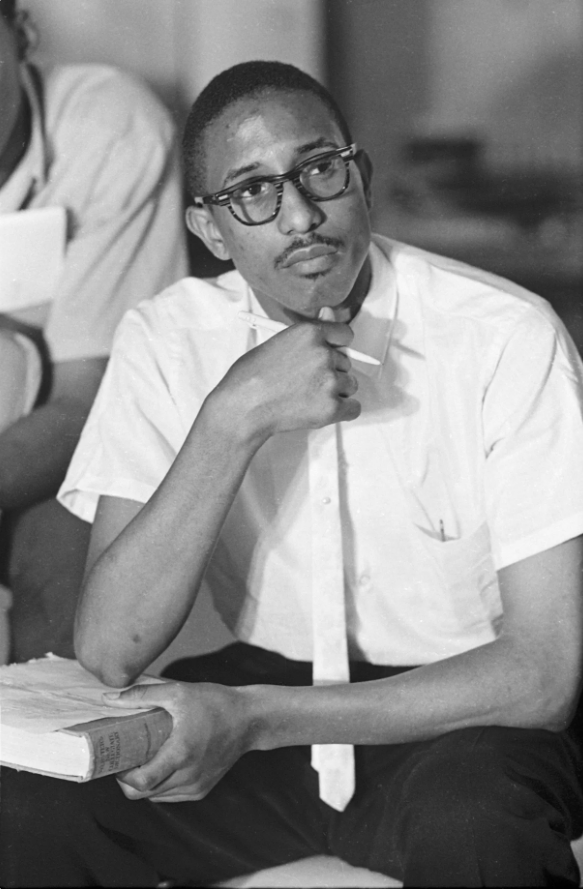
Bernard Lafayette Jr. during a Freedom Riders planning session, Montgomery, Alabama, May 1961.
Working alongside local leaders—including his former wife, Colia Liddell—he spent months building relationships, encouraging community members to believe that change was possible, and nurturing a movement that would eventually force the nation to confront the brutality of disenfranchisement. When the world finally turned its eyes to Selma in 1965, it was because the groundwork had already been laid.
Lafayette’s courage was not abstract. During his organizing in Selma, he survived an assassination attempt the same night civil rights leader Medgar Evers was murdered in Mississippi. Beaten outside his home and facing an armed attacker, Lafayette refused to respond with violence. Instead, he stood between his neighbor—who had come out with a rifle to defend him—and the man threatening his life, asking that no one shoot.
For Lafayette, nonviolence was not passivity. It was, as he later wrote, “a struggle of the human spirit”—a fight not only to defeat injustice but to transform those caught within it.
His commitment began early. As a child in Tampa, Florida, Lafayette witnessed his grandmother fall while trying to board a segregated trolley after being forced to pay at the front and re-enter through the back. That moment stayed with him for life. “I felt like a sword cut me in half,” he later wrote. “And I vowed I would do something about this problem one day.”
He did.
Lafayette became one of the student leaders of the Nashville sit-in movement, helping desegregate the city’s downtown in 1960. Alongside his roommate John Lewis, he joined the Freedom Rides challenging segregation in interstate travel—facing beatings, arrest, and imprisonment at Mississippi’s notorious Parchman Prison.
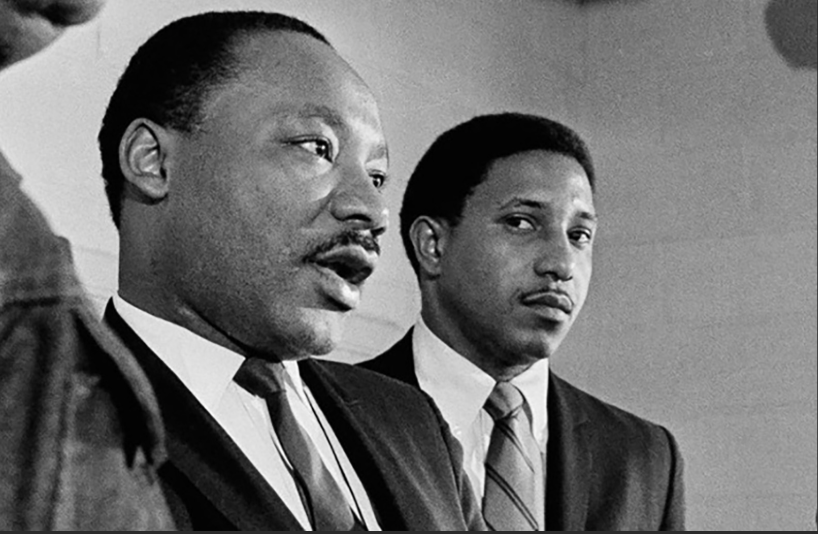
Bernard Lafayette with MLK, Jr
He later helped organize the Chicago Freedom Movement, trained youth organizers, and contributed to early tenant rights campaigns. In the years after Dr. Martin Luther King Jr.’s assassination—on a day when Lafayette had spoken with King at the Lorraine Motel that very morning—he dedicated himself to fulfilling King’s final challenge: to institutionalize and internationalize the philosophy of nonviolence.
Over the decades, Lafayette carried that mission across the world. He conducted nonviolence workshops with the African National Congress in South Africa, engaged with movements in Latin America, and taught generations of students and activists as a scholar and minister.
Those who worked with him often remarked on his humility. While many civil rights figures became household names, Lafayette remained, by choice, a quieter presence—one who believed movements were strongest when leadership grew from within communities themselves.

As we gather this week in Selma, walking the same ground where the struggle for voting rights reshaped American democracy, Dr. Lafayette’s life reminds us that movements are built not only in moments of national drama but through years of patient organizing, courage, and faith in human transformation.
Selma is also a place where generations of memory meet. Just weeks ago, the city lost another keeper of that history: Jo Ann Bland, who died on February 19 at age 72. Bland was just 11 years old when she marched on “Bloody Sunday” in 1965 and was beaten by state troopers on the Edmund Pettus Bridge. In the decades that followed, she dedicated her life to ensuring that the story of Selma would never fade—helping found the National Voting Rights Museum and Institute and guiding visitors through the city so they could understand what ordinary people endured to secure the right to vote. Her life reminds us that the movement Lafayette helped nurture was carried forward by countless others, including the children who walked beside the giants of the era. Her New York Times obituary can be read here.
For Hindus for Human Rights, Dr. Lafayette’s life resonates so deeply with the principle of ahimsa—the conviction that nonviolence is not weakness but a profound moral force capable of reshaping societies.
He once wrote that the value of life “lies not in longevity, but in what people do to give it significance.”
By that measure, his life was immeasurably rich.
As the Jubilee continues in Selma this week, Dr. Bernard Lafayette will be remembered not only as a leader of the Civil Rights Movement but as a teacher whose work continues wherever people organize for dignity, justice, and the transformative power of nonviolence.
May his memory be a blessing—and a call to continue the work. Om Shanti.