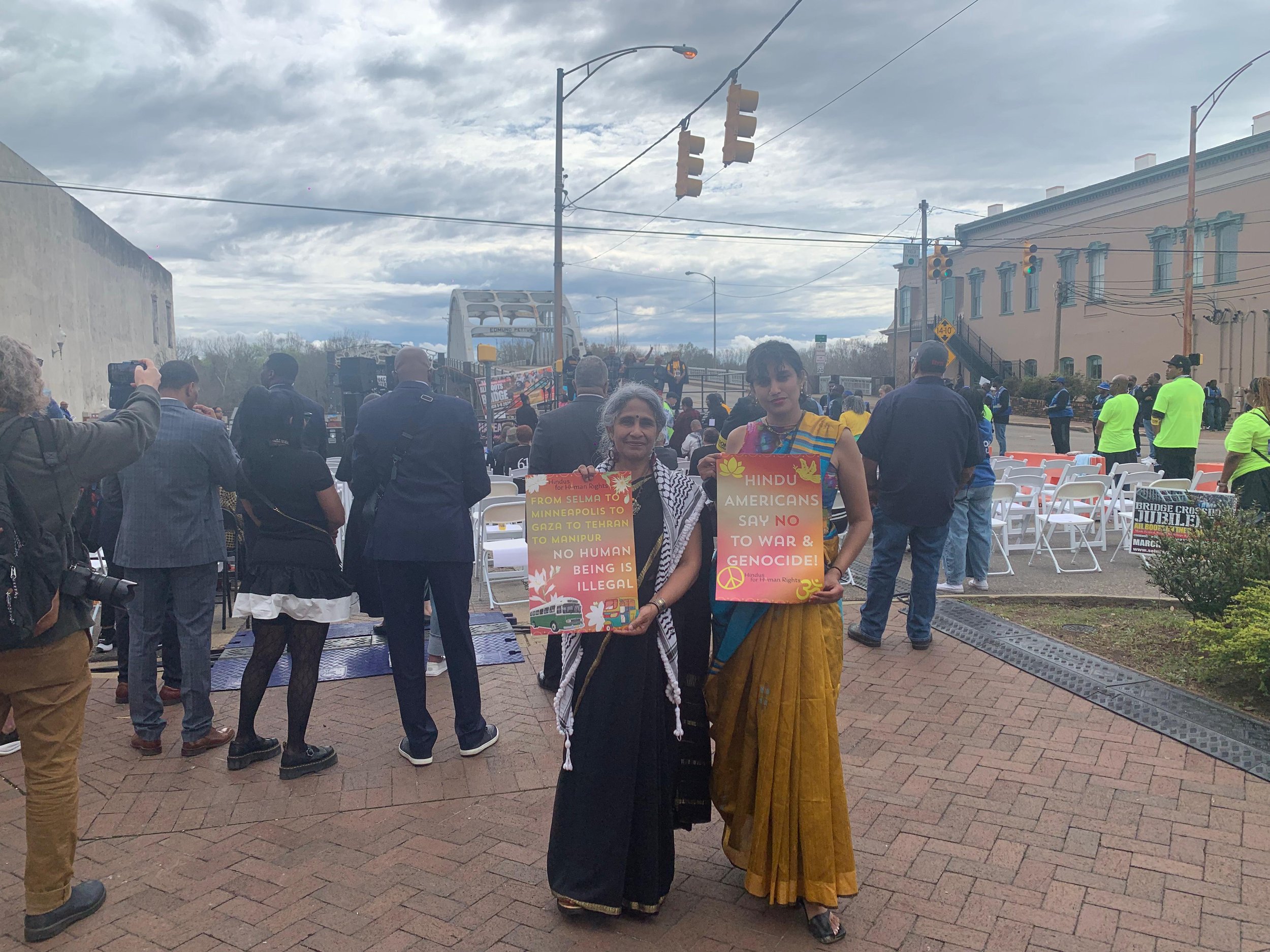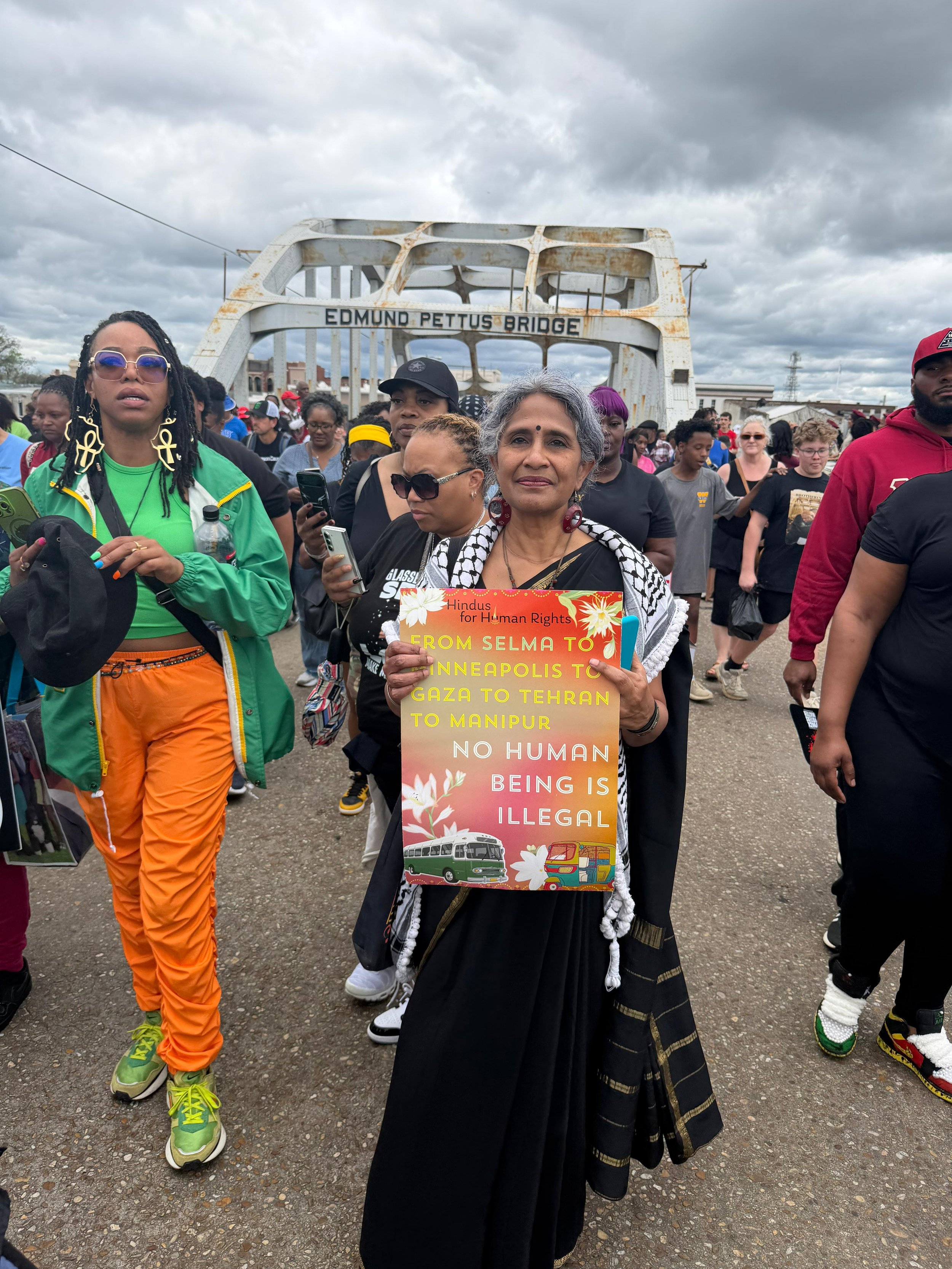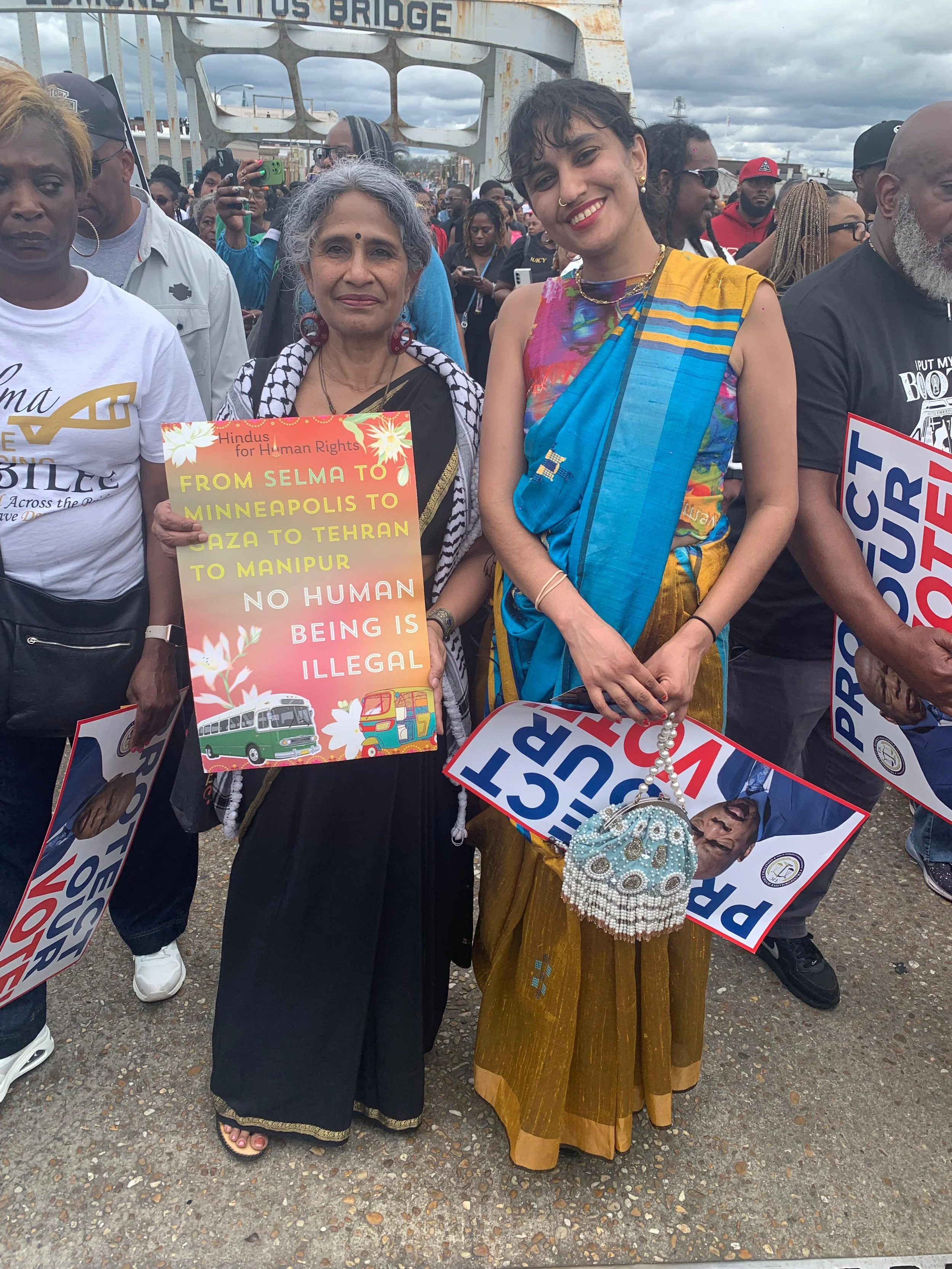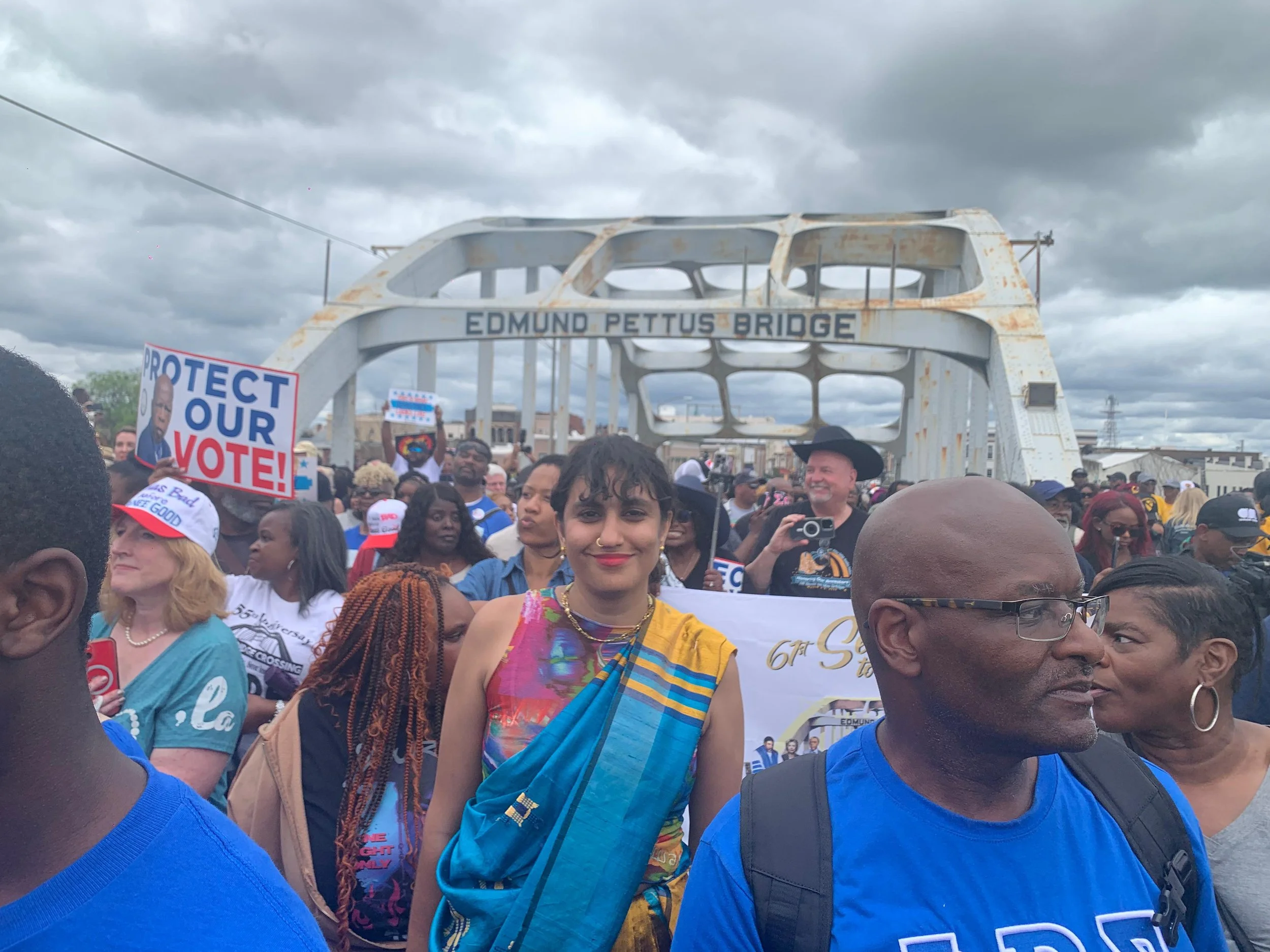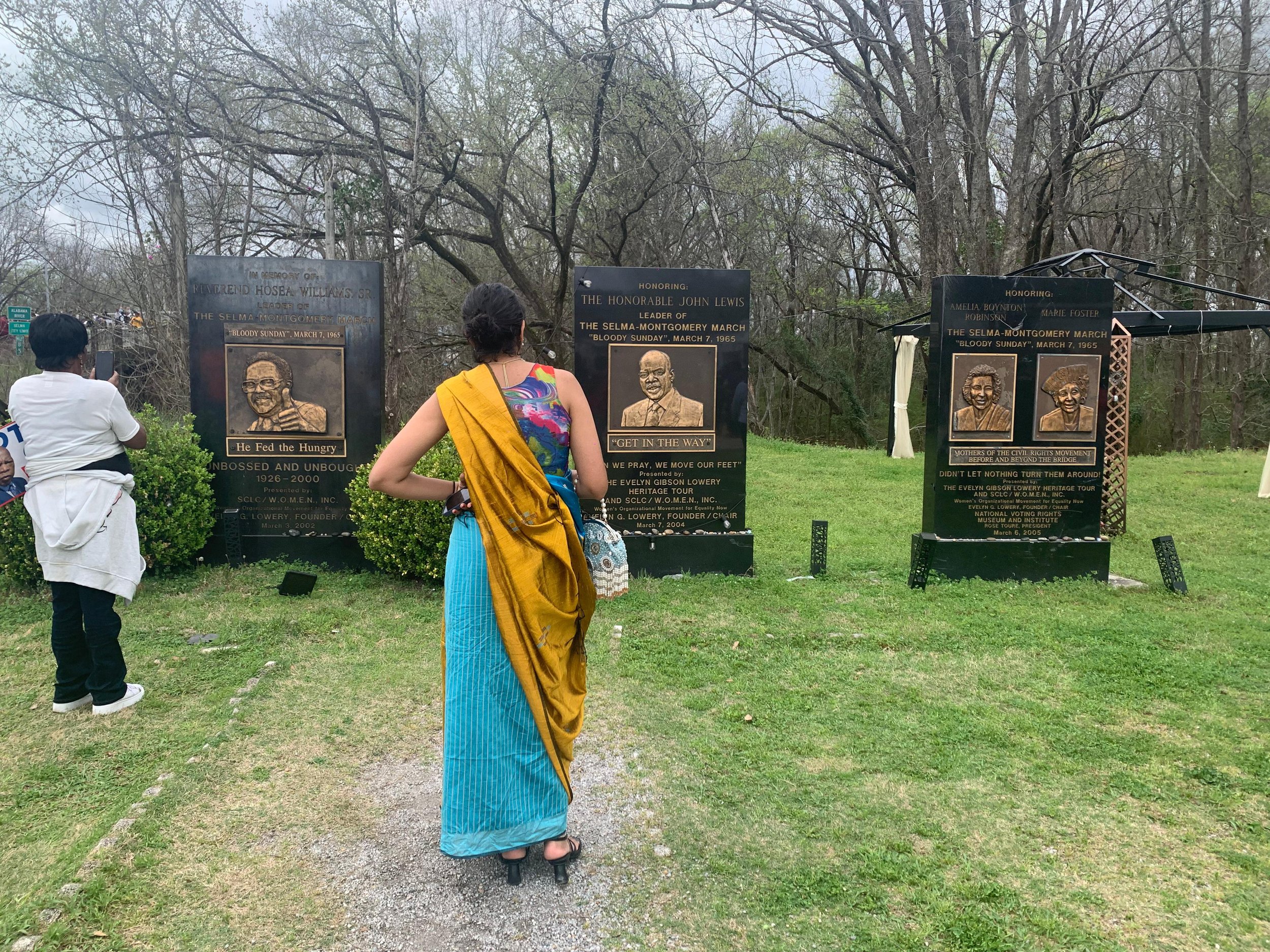
Each year, Hindus for Human Rights travels south to Selma, Alabama, joining thousands who gather to commemorate the anniversary of Bloody Sunday and to cross the Edmund Pettus Bridge in remembrance of one of the most pivotal moments in the U.S. Civil Rights Movement.
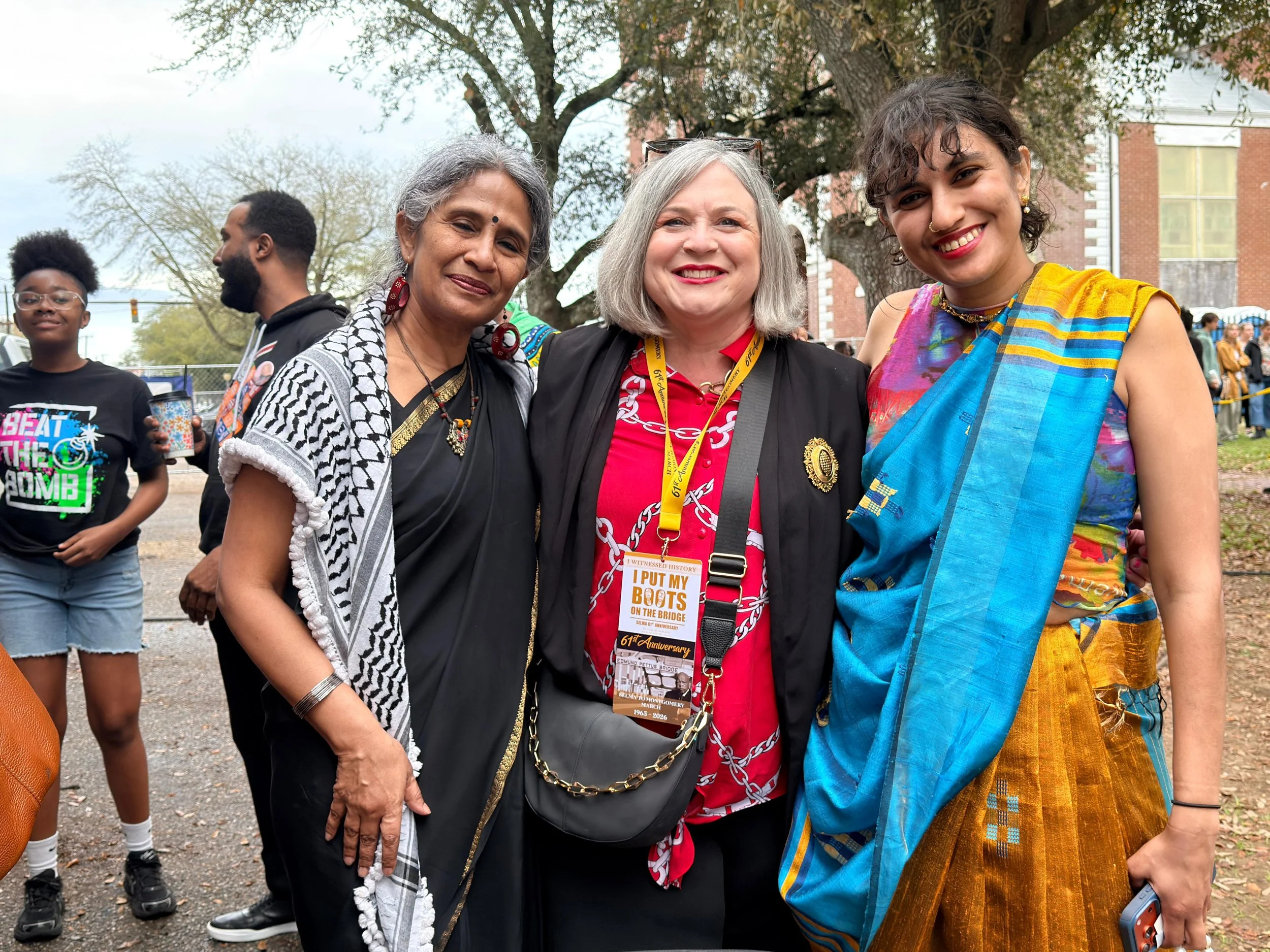
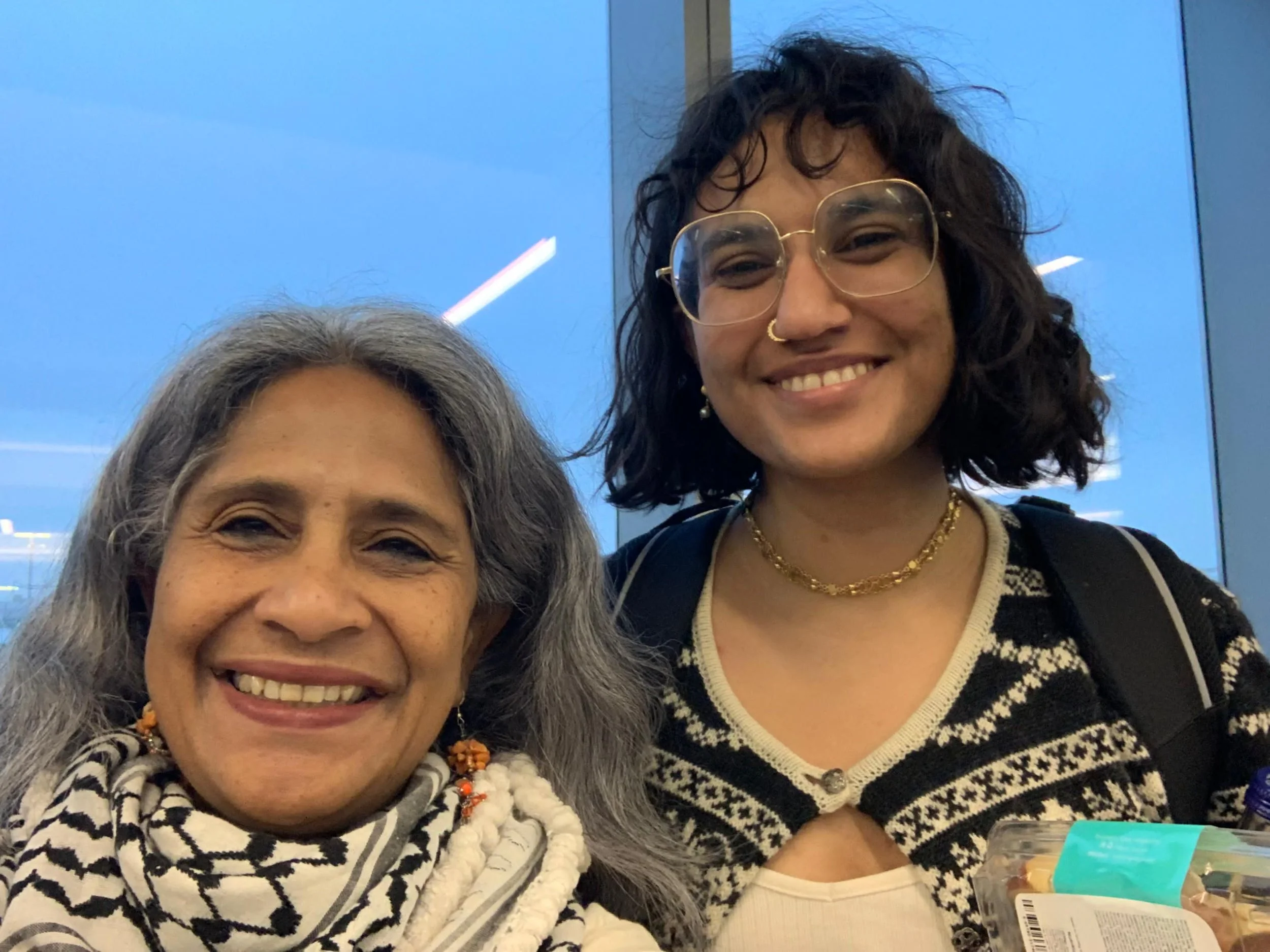
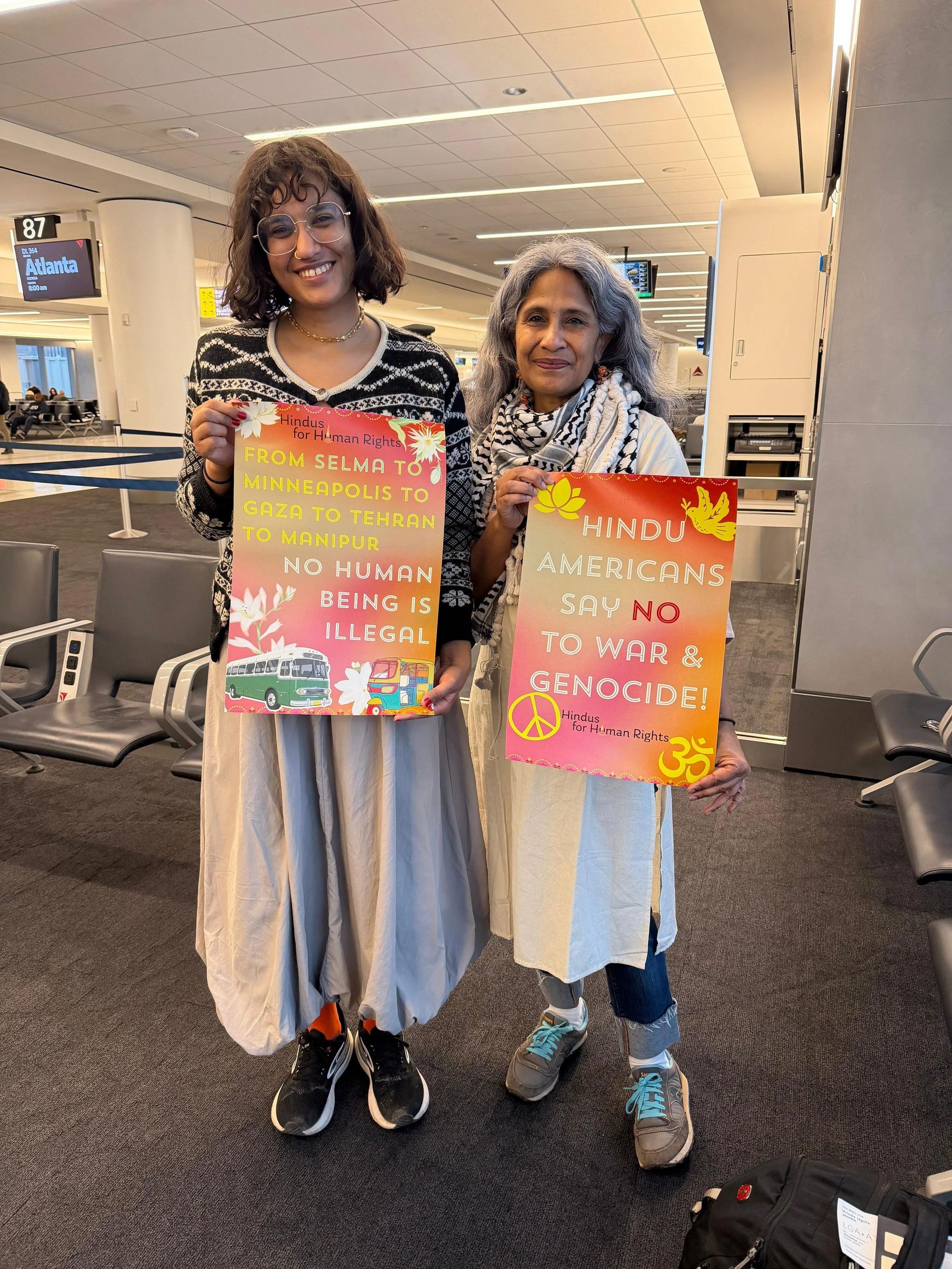
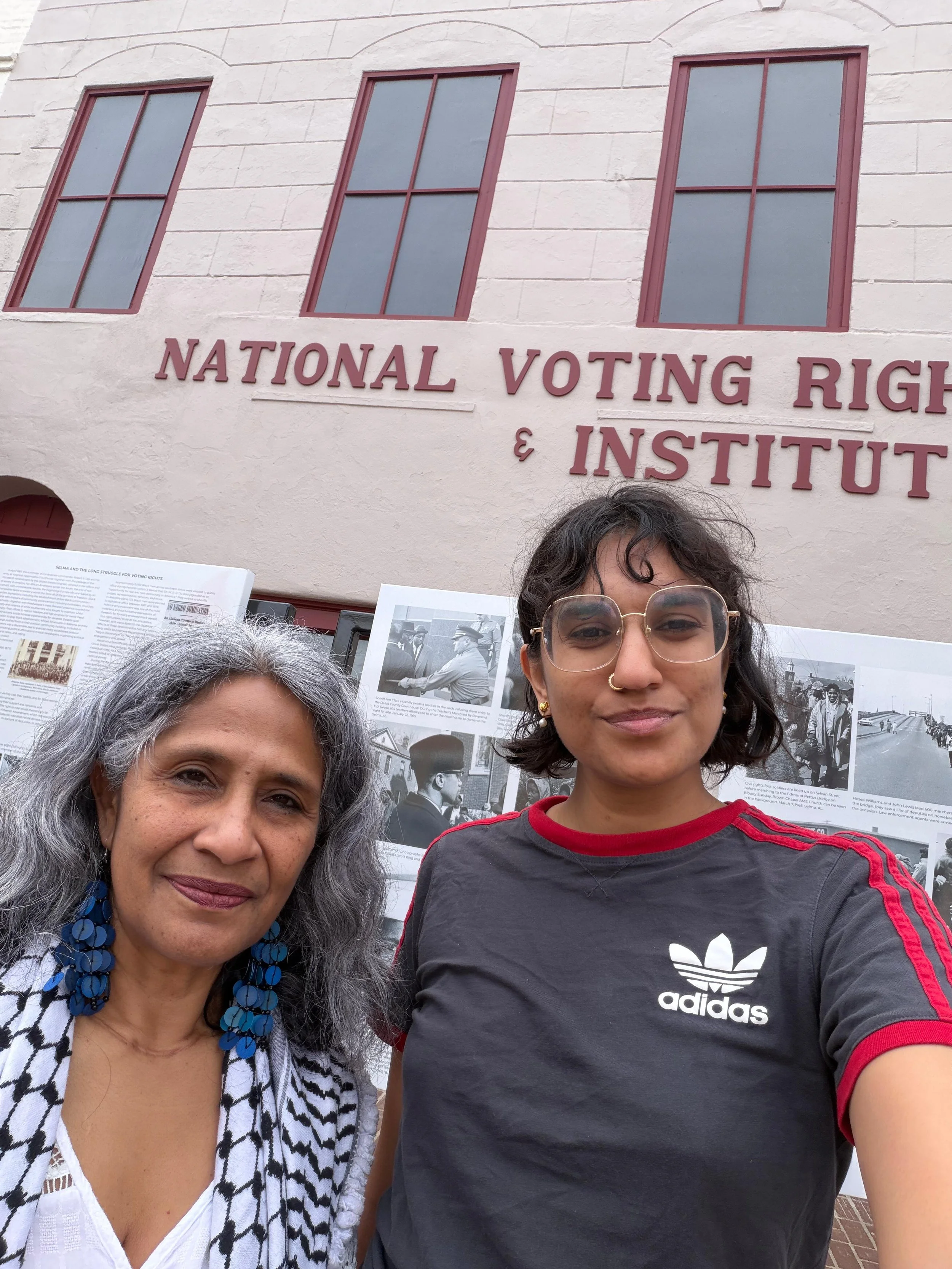
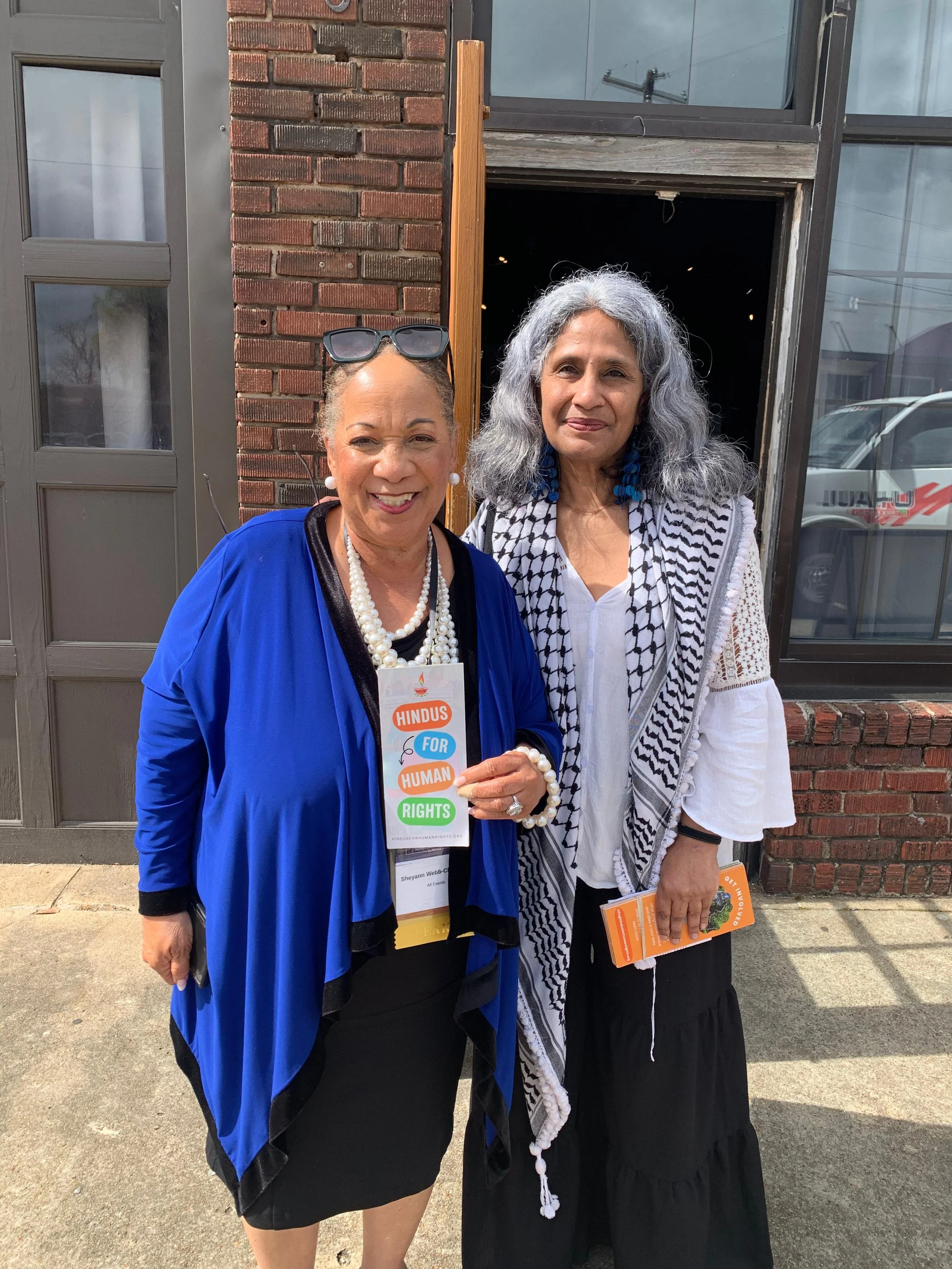
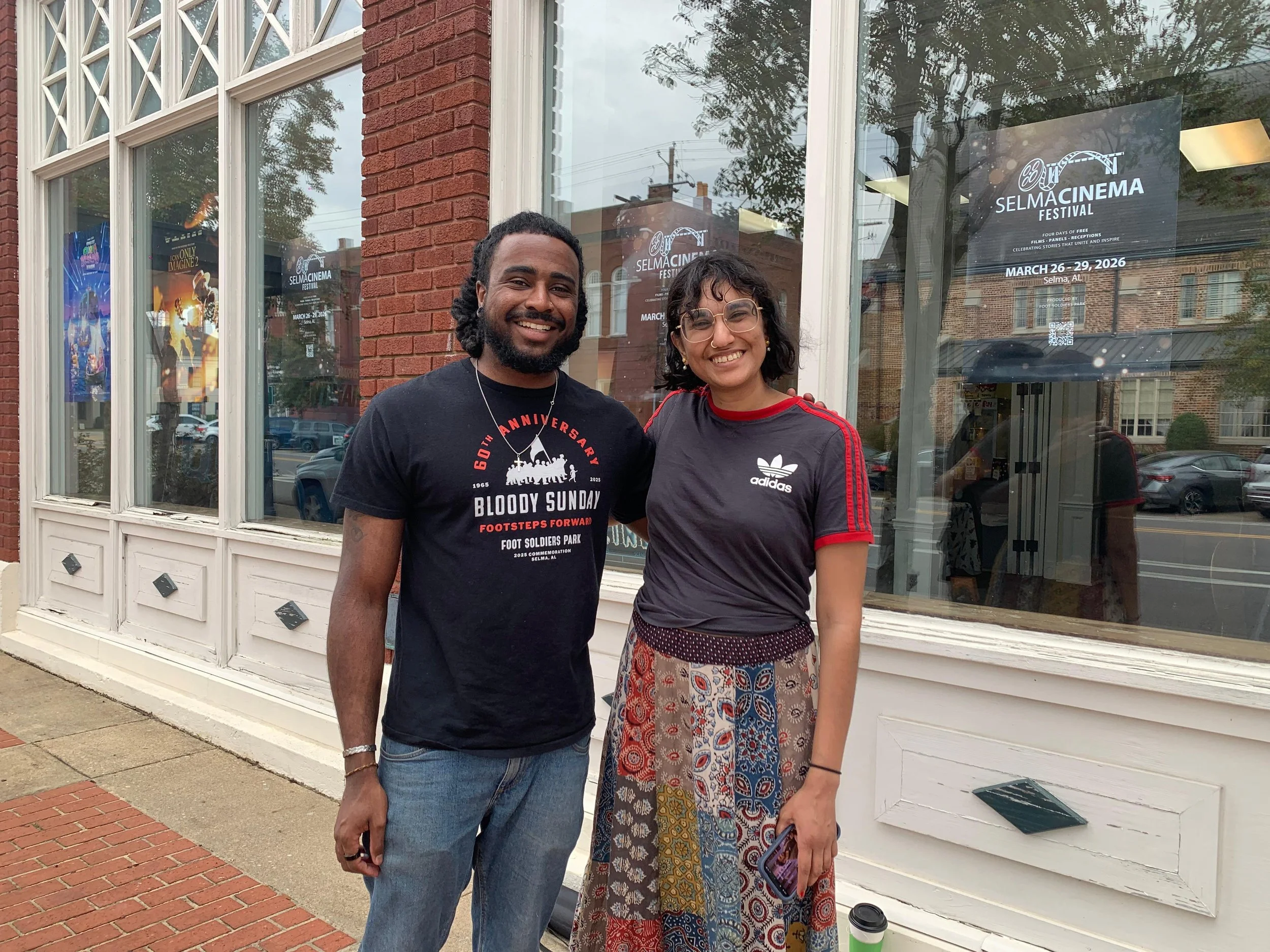
This year, on the 61st anniversary, our Selma delegation included Executive Director Sunita Viswanath and NYC Organizer Vrinda Jagota.
The commemorations are always bittersweet. On March 7, 1965, more than 600 peaceful marchers attempting to cross the Edmund Pettus Bridge in Selma were brutally attacked by Alabama state troopers while advocating for voting rights for Black Americans. Images of the violence were broadcast across the nation, galvanizing public outrage and helping lead to the passage of the Voting Rights Act of 1965. Selma became a moral landmark in American history—a place where the struggle for justice forced the country to confront itself.
The weekend began at Tabernacle Baptist Church, where community members and visitors gathered for a mass meeting marking the start of the Bridge Crossing Jubilee. Music filled the sanctuary as the original Freedom Singers — the legendary quartet founded in 1962 that fused church music with protest songs — performed alongside a choir from the Center for Non-Violence, Truth, and Reconciliation in Selma.
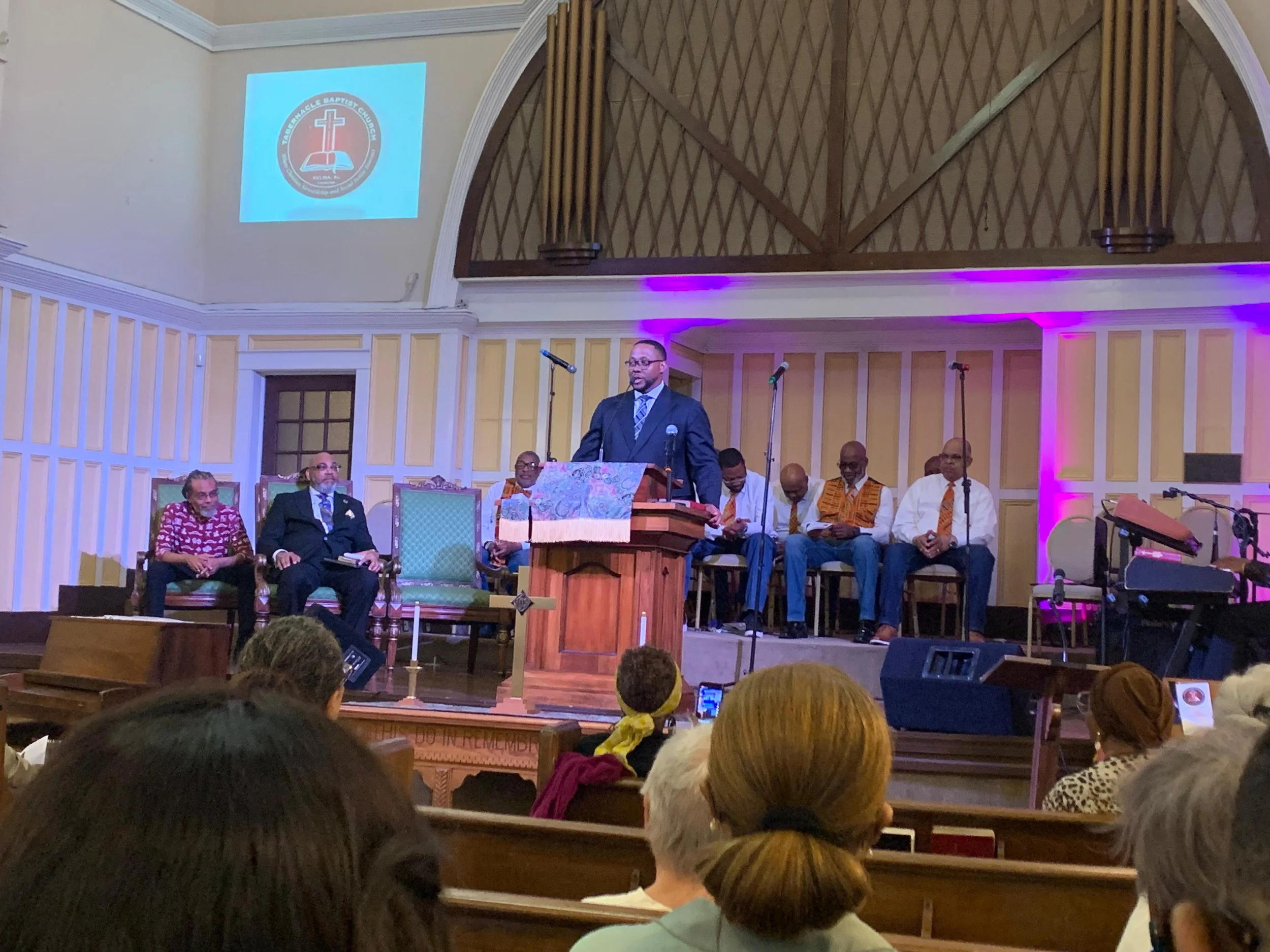

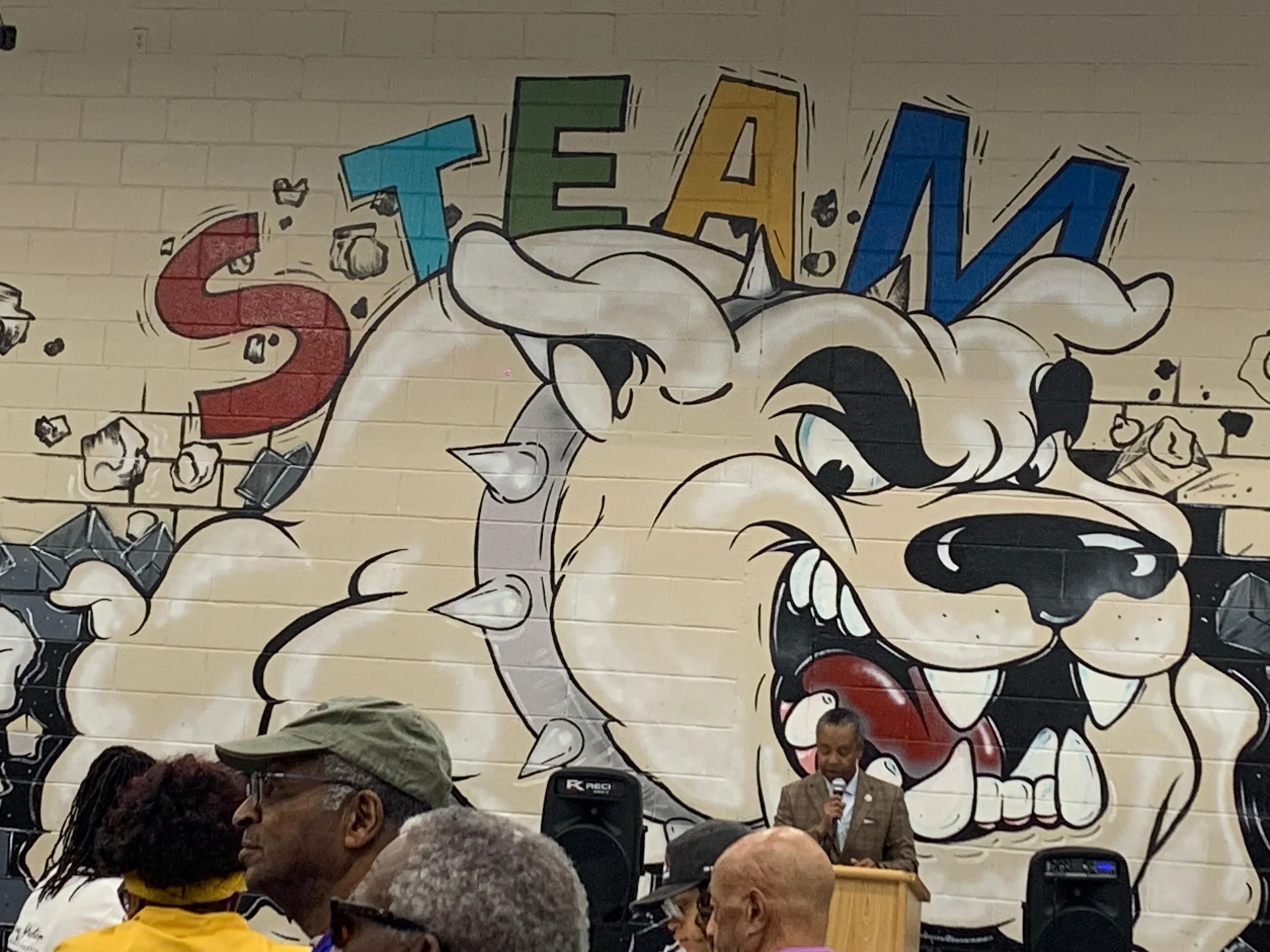
The evening was also marked by remembrance. Ainka Sanders Jackson, Executive Director and founder of the Center for Non-Violence, Truth, and Reconciliation, spoke movingly about the passing earlier that day of civil rights leader Bernard Lafayette. Lafayette, a close associate of Dr. Martin Luther King Jr. and a key organizer of the Selma voting rights movement, dedicated his life to the practice and teaching of nonviolence through his work with SNCC and the Southern Christian Leadership Conference. Our friend and ally Rev. Mark Thompson of Riverside Church in New York also spoke, honoring Lafayette’s legacy and the enduring spirit of Selma.
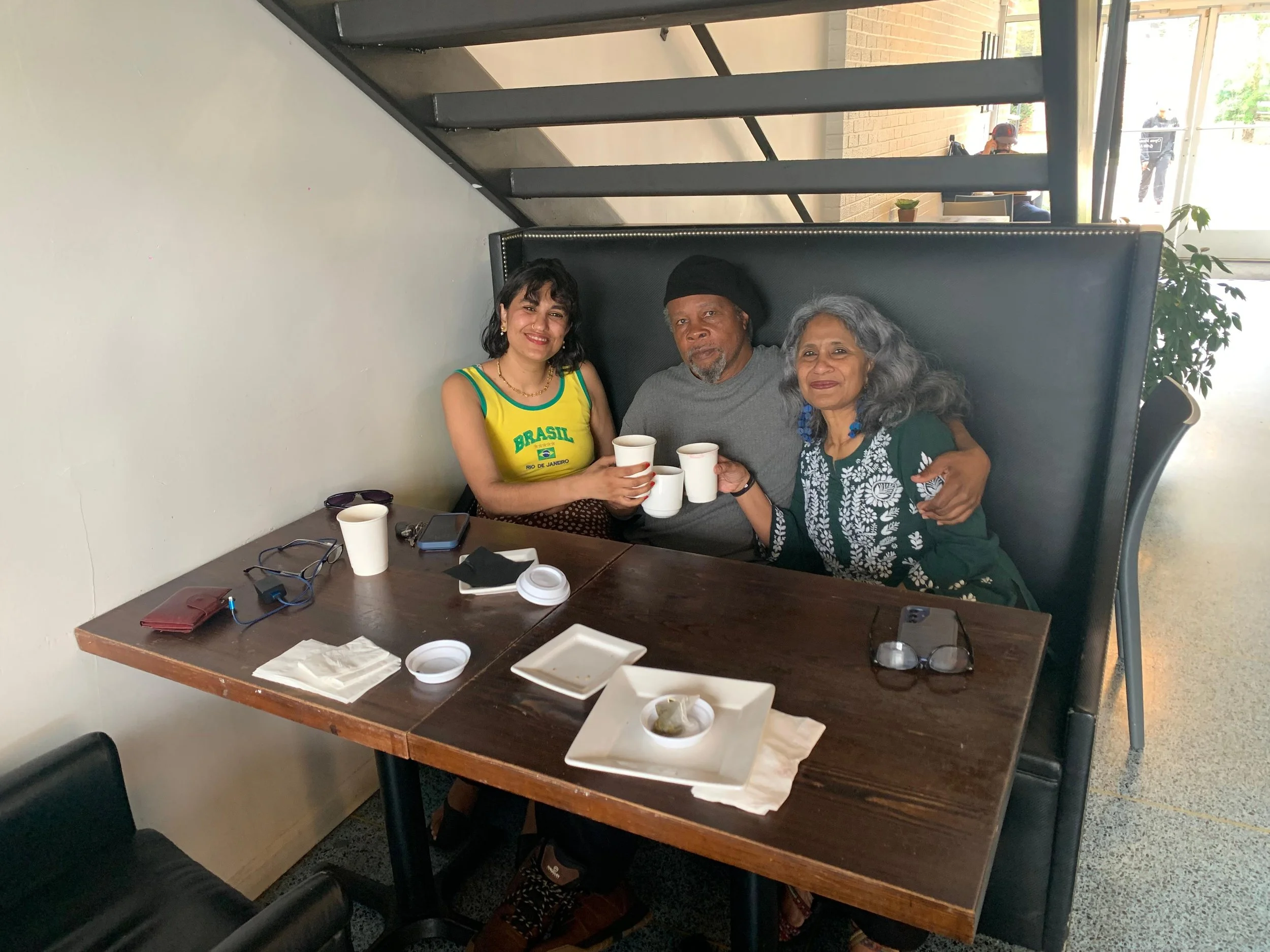
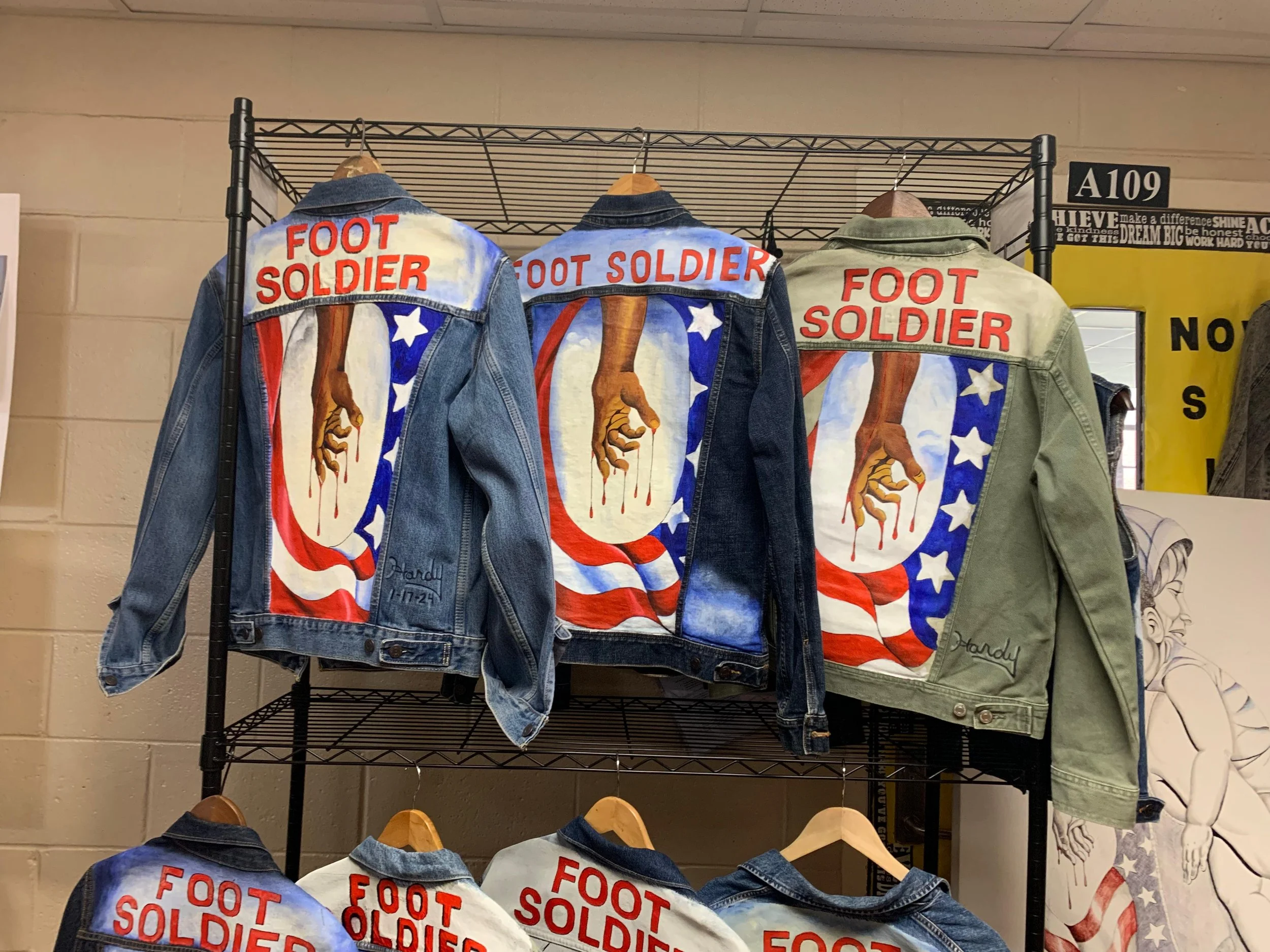
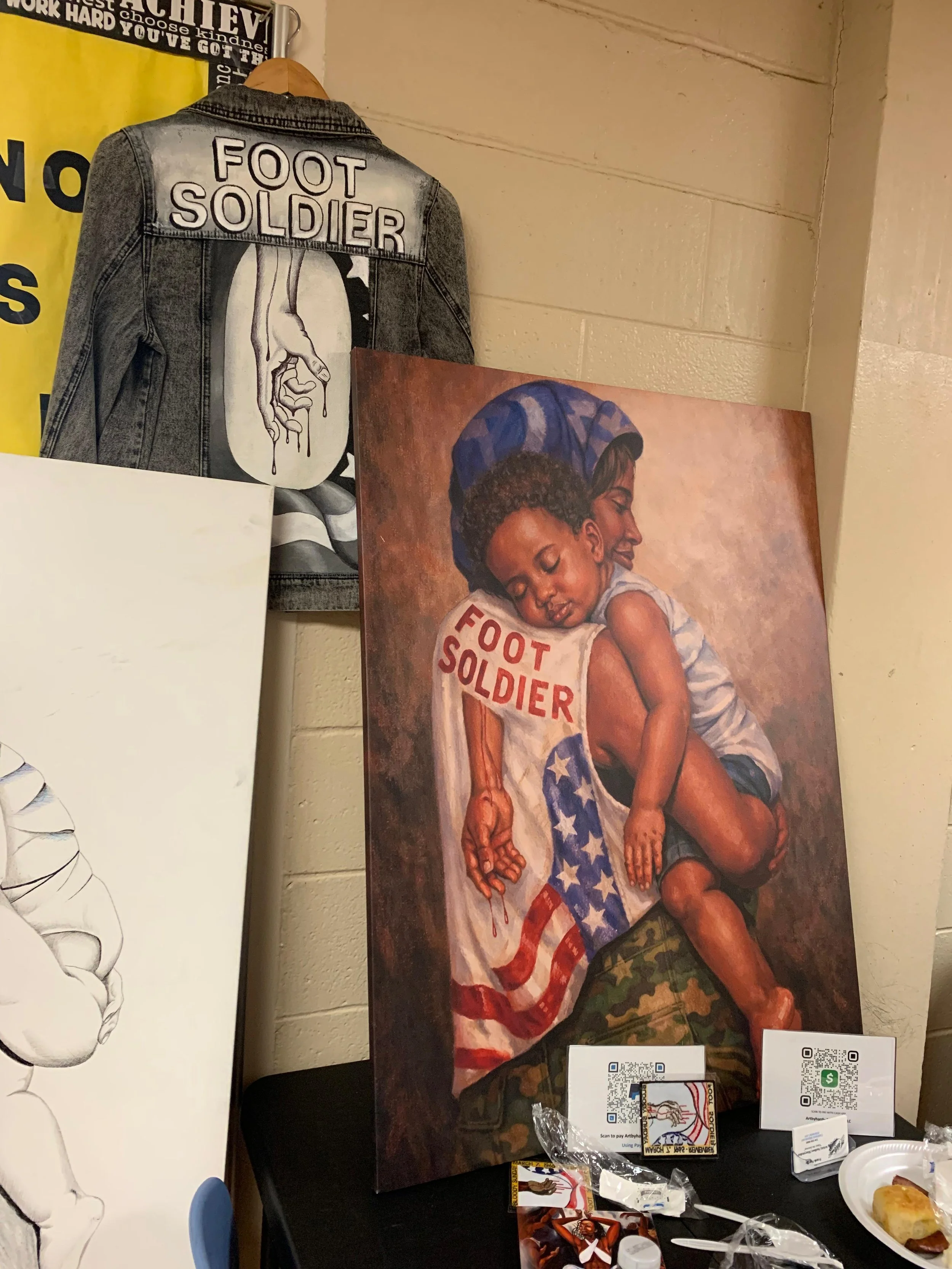
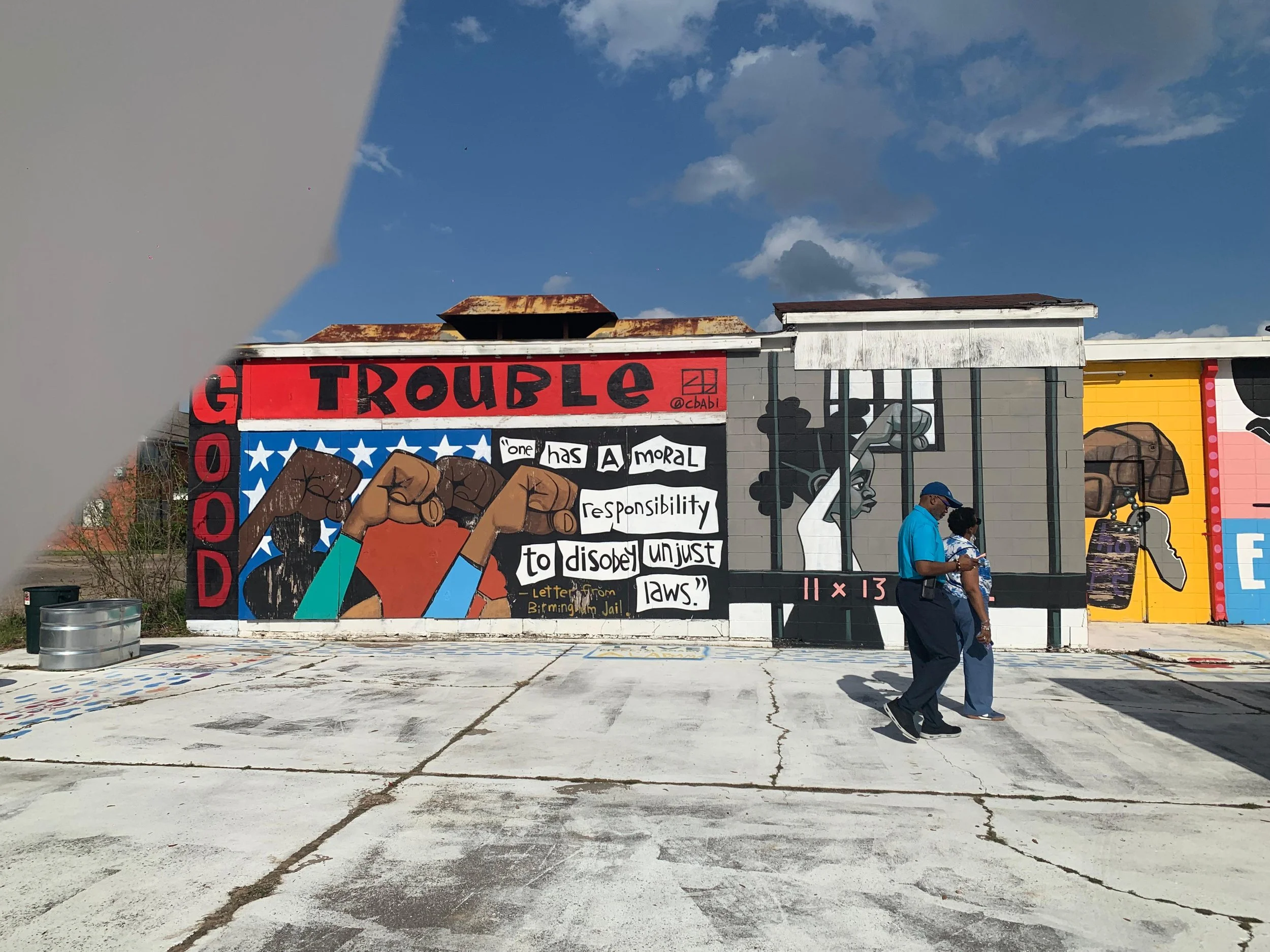
Throughout the weekend, the HfHR team had the opportunity to engage with artists, activists, and community members whose lives continue to be shaped by Selma’s history. One highlight was spending time with Selma-born artist and civil rights activist Frank Hardy, whose work reflects both the trauma and resilience of the movement. Conversations with Hardy touched on growing up in Selma, the meaning of Bloody Sunday across generations, and the ways art can preserve and reinterpret the history of struggle.
The visit also included a trip to Montgomery’s Legacy Museum, created by the Equal Justice Initiative. Located on the site of a former cotton warehouse where enslaved people were once forced to labor, the museum traces the arc of American racial injustice—from the transatlantic slave trade and slavery to Jim Crow and the ongoing crisis of mass incarceration. Walking through the exhibits is a powerful reminder that the story of Selma sits within a much longer struggle for justice in the United States.
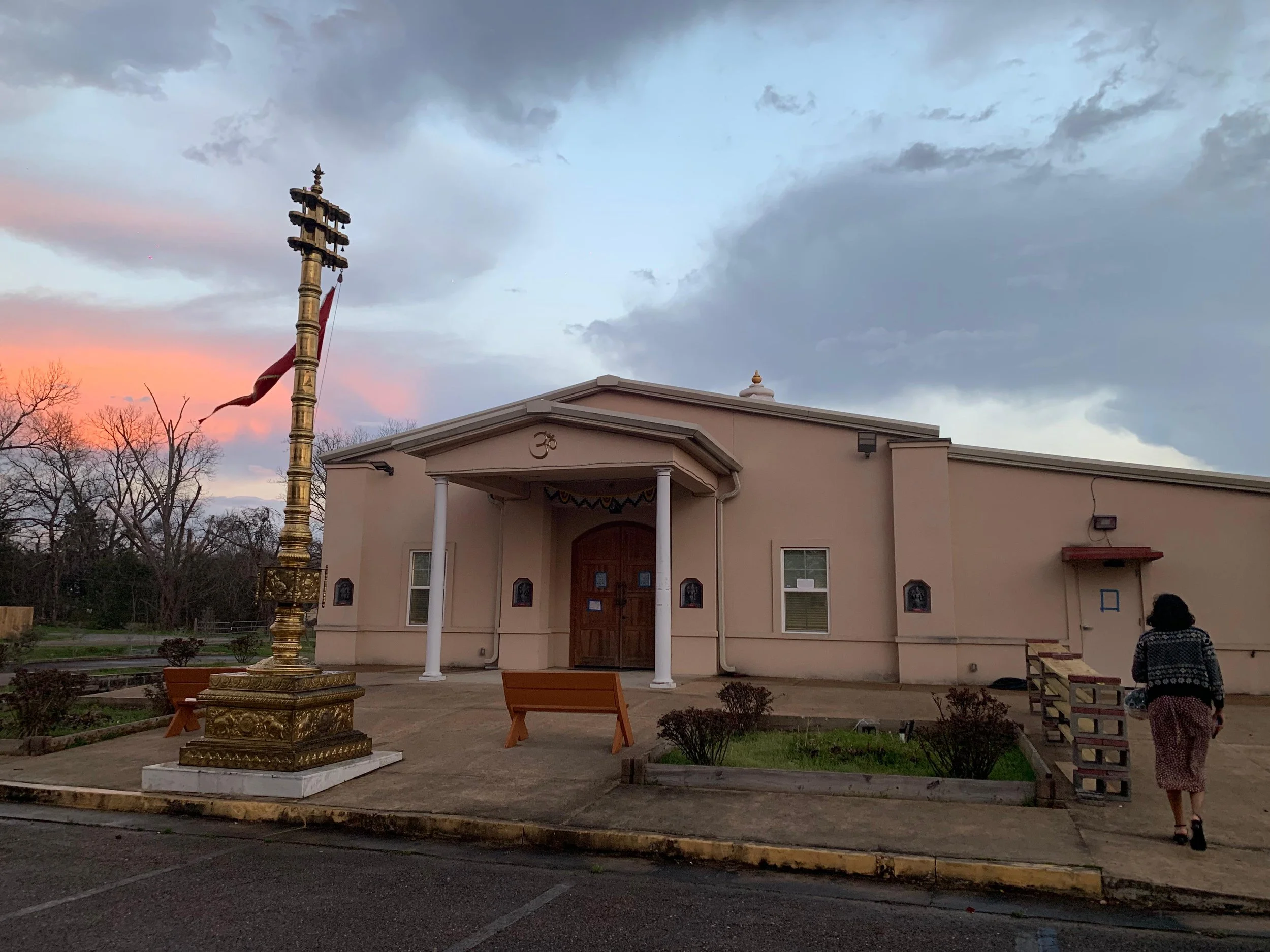
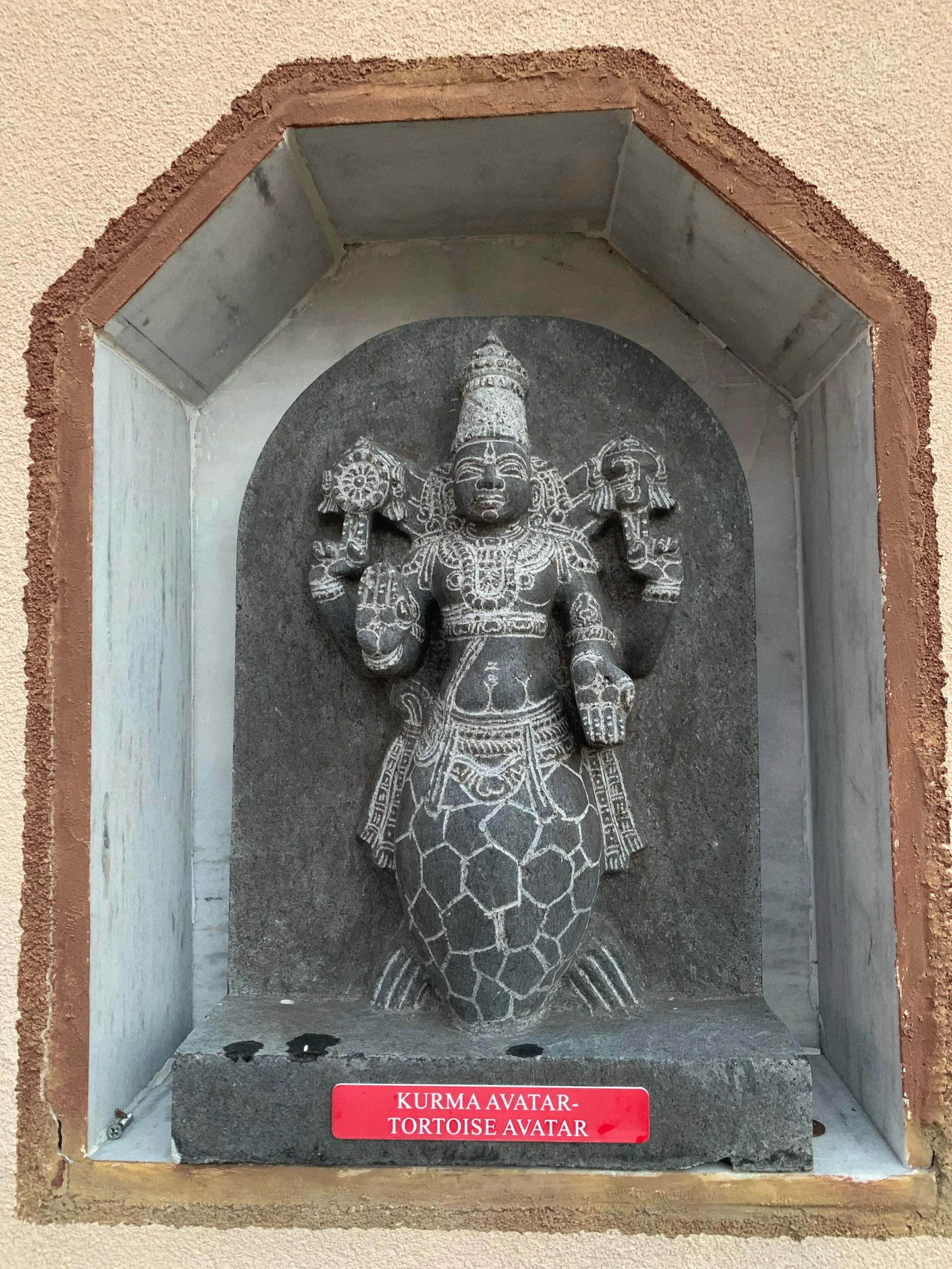
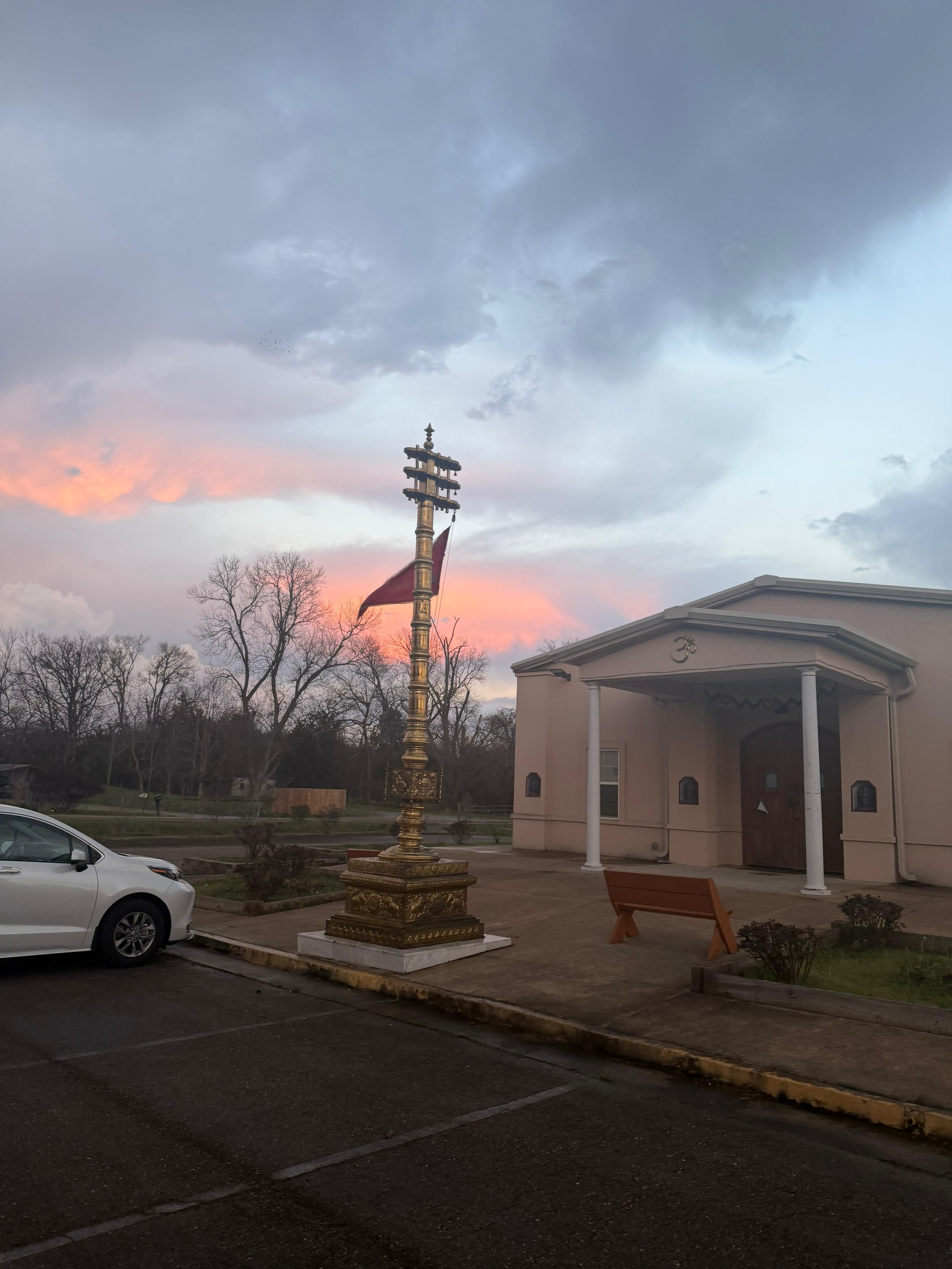
In a meaningful moment of interfaith connection, Sunita and Vrinda also visited the Hindu Temple of Montgomery, meeting with the temple president and reflecting on the ways Hindu values of ahimsa (nonviolence) and justice resonate with the legacy of the Civil Rights Movement.
Back in Selma, the commemorations continued with gatherings that brought together veterans of the movement, young activists, scholars, and community leaders. At a breakfast hosted by the Foot Soldiers—those courageous individuals who marched across the bridge in 1965—stories and memories flowed across generations. Speakers included Sheyann Webb, who was just nine years old when she marched and later became known as “Dr. King’s Smallest Freedom Fighter,” as well as Jae Romero, granddaughter of Jo Ann Bland, the youngest person jailed during the movement.
Discussions throughout the weekend also focused on the present and future of voting rights. At one panel on the challenges facing Gen Z voters, speakers explored how young people are organizing today, the promise and pitfalls of online political engagement, and the many ways civic participation extends beyond the ballot box.
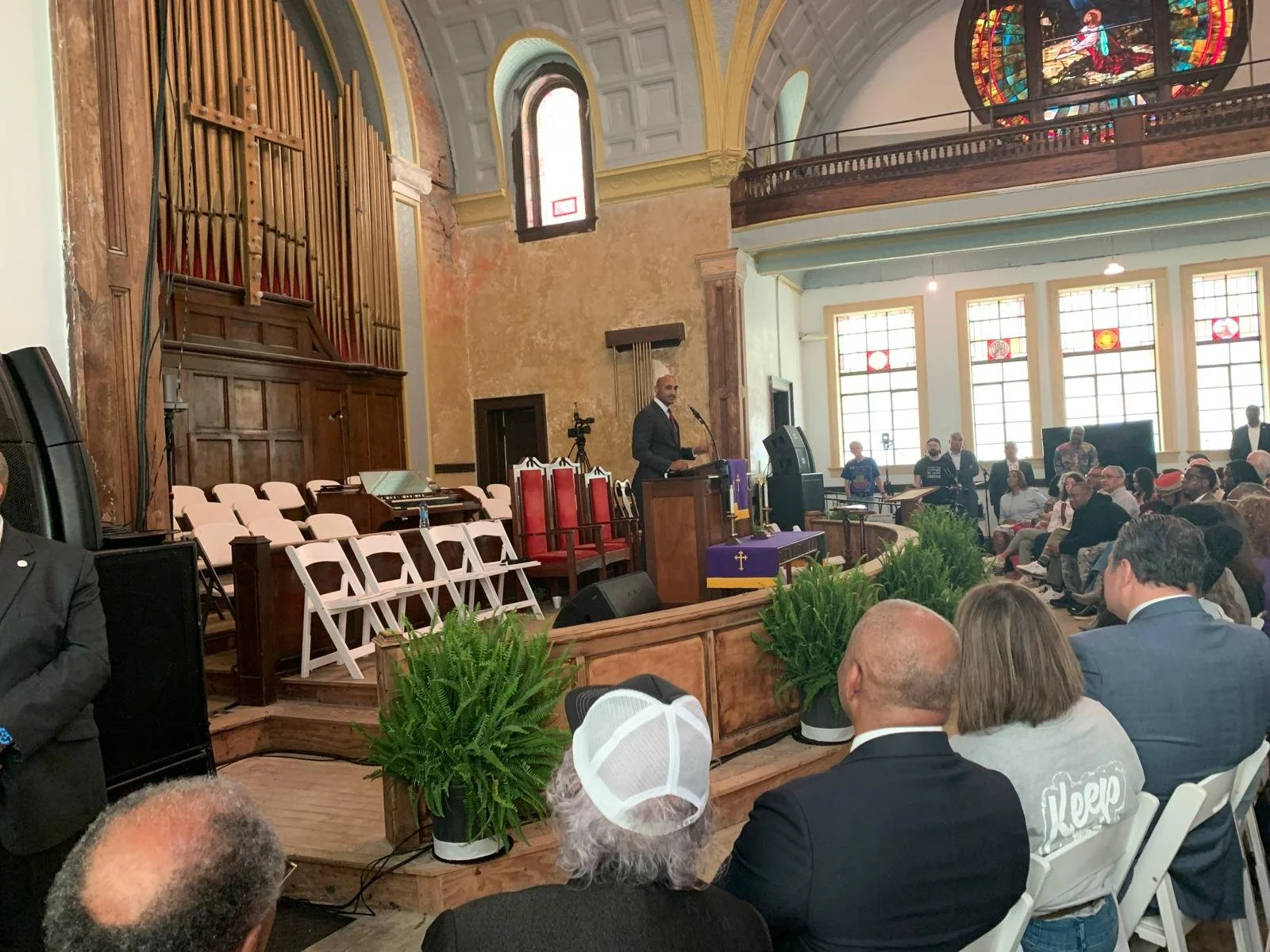
Another powerful gathering took place at Brown Chapel AME Church, a historic center of the Selma movement, where several state attorneys general—including Letitia James of New York and Keith Ellison of Minnesota—reflected on the continuing struggle for voting rights and the importance of a multiracial, multi-faith democracy.
As the weekend built toward its central moment, celebrations and commemorations continued across the city, including a gathering in Foot Soldiers Park honoring those who risked their lives for the right to vote.
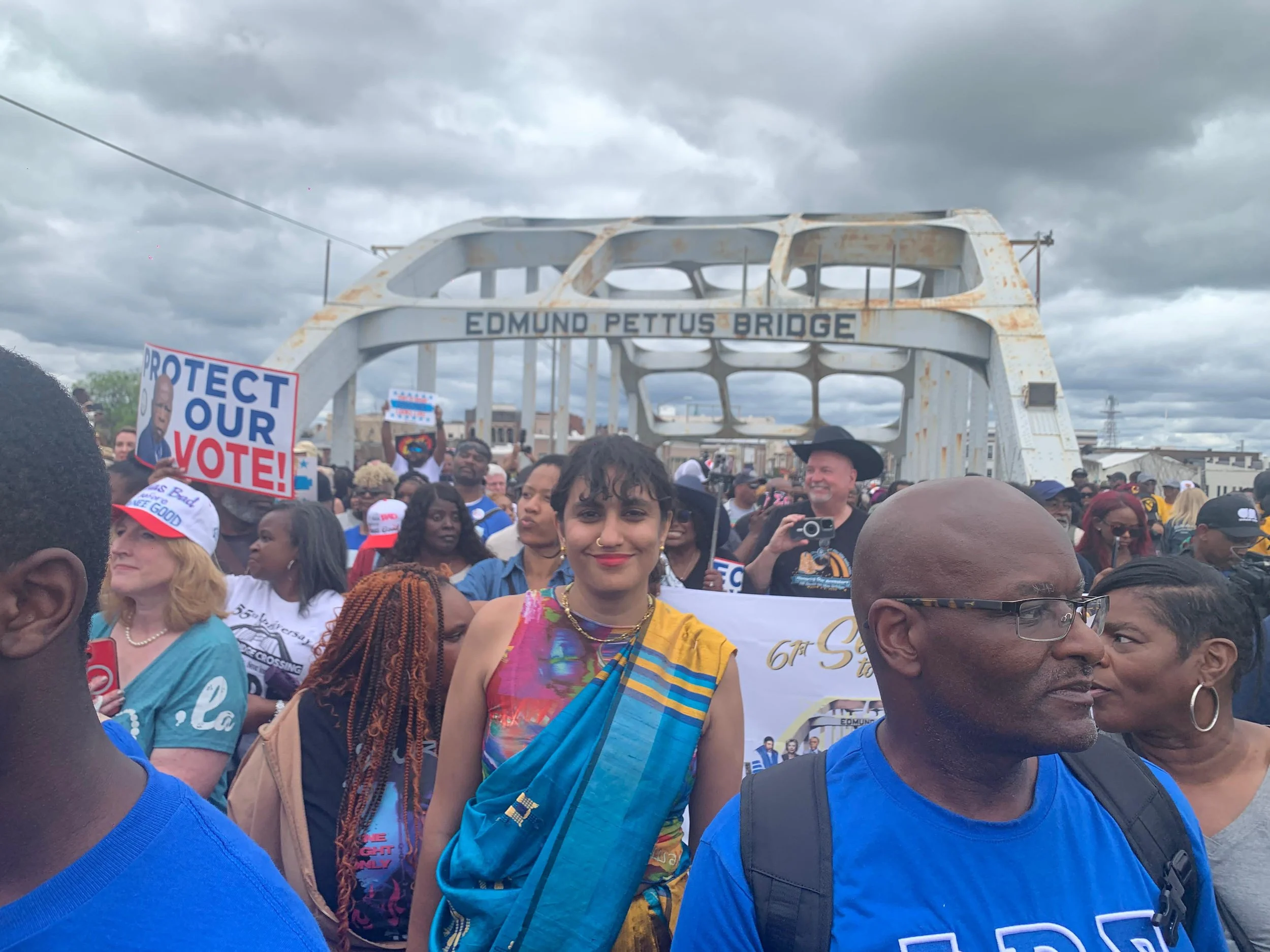
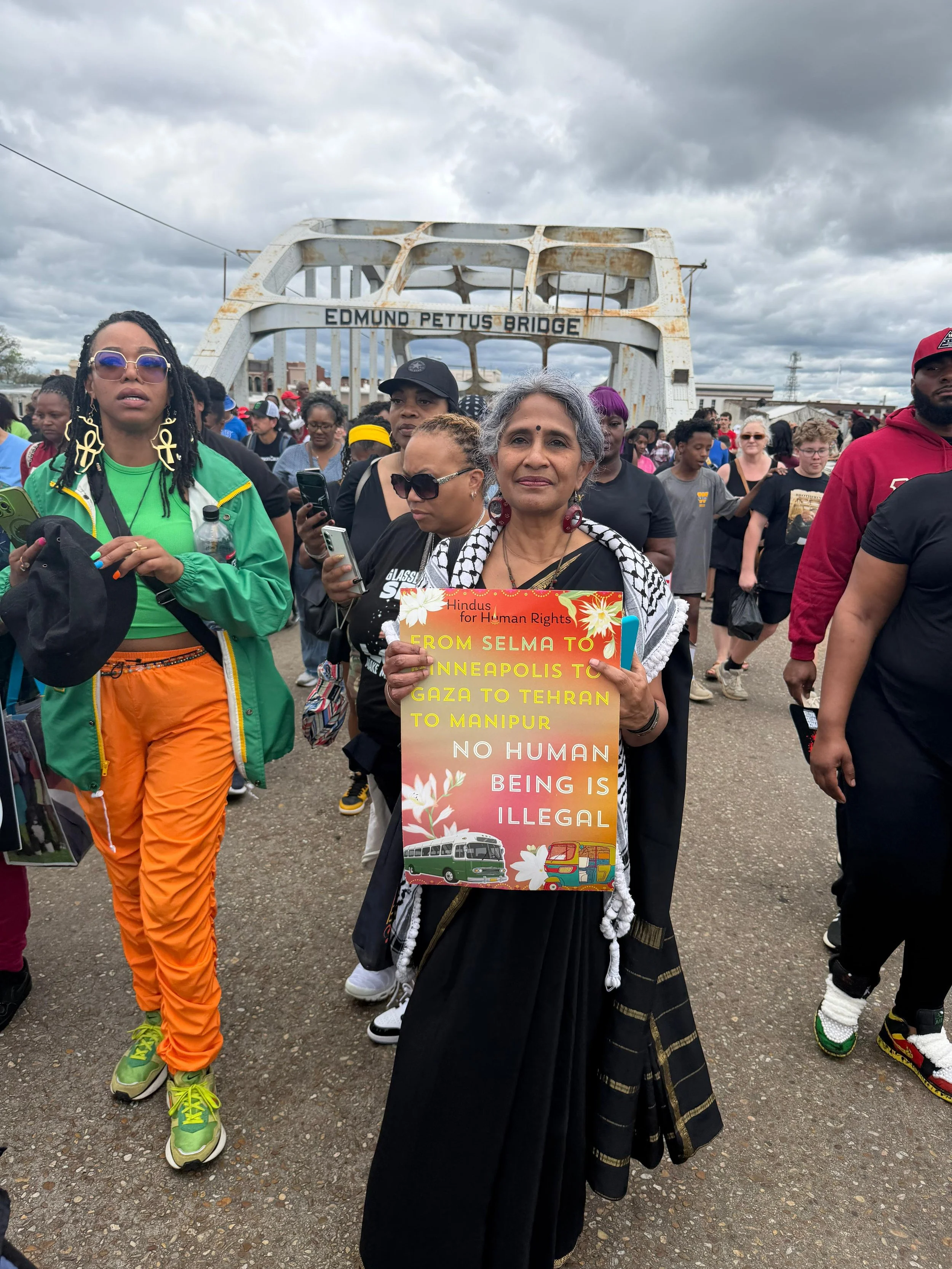
Finally, on Sunday, thousands gathered for the symbolic crossing of the Edmund Pettus Bridge.
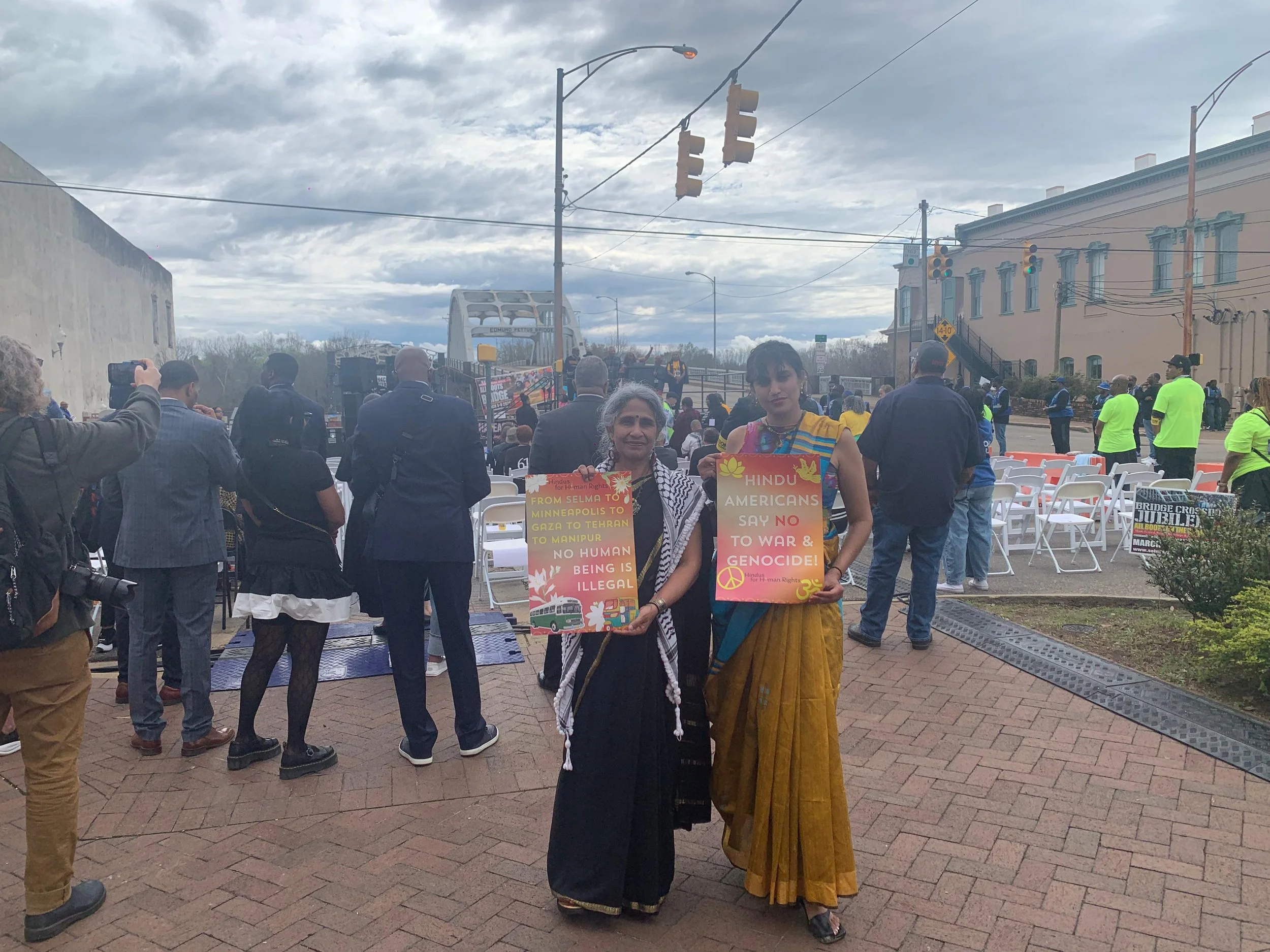
Dressed in saris, Sunita and Vrinda joined the marchers, walking shoulder to shoulder with people from across the country and across traditions—faith leaders, activists, students, elders, and descendants of the original foot soldiers. The crossing is both remembrance and recommitment: a recognition of the sacrifices that made the Voting Rights Act possible and a call to continue protecting democratic participation today.
Selma carries a spirit that resonates deeply with the values Hindus for Human Rights seeks to embody: shanti, nyaya, and satya—peace, justice, and truth.
We are deeply grateful to the organizers of the Selma Bridge Crossing Jubilee and to the Selma community for welcoming us once again into this living tradition of remembrance, solidarity, and hope.