
ORDER NOW
We are thrilled to celebrate the publication of Seeing Equally: An Anthology of Progressive Hindu Voices, edited by Hindus for Human Rights co-founder Sunita Viswanath and HfHR Advisory Board member Prof. Anantanand Rambachan, and published by Westland Books.
For us, this is much more than the publication of a new book.
Seeing Equally sits at the heart of Samadarshini, a growing project to articulate and nurture a Hinduism rooted in equality, liberation, pluralism and justice.
The word samadarshini comes from a Hindu ideal of seeing all beings with equal vision. It asks us to recognize the same dignity in every person, and to allow that recognition to transform how we understand faith, community and power.
That is the question at the center of this project: What would Hindu life look like if we truly took equality seriously?
Building a Hinduism of Equality
Hindu traditions contain deep resources for compassion, interdependence, nonviolence, spiritual freedom and the equal worth of human beings.
But our traditions have also developed within societies marked by caste, patriarchy, exclusion and hierarchy. Today, Hindu identity is increasingly invoked to justify religious majoritarianism and political nationalism.
Samadarshini begins from the conviction that these realities cannot simply be ignored.
A meaningful progressive Hindu theology must be willing to confront caste. It must affirm gender and sexual equality. It must defend religious pluralism and democracy. It must reject the idea that Hindu flourishing requires the marginalization of Muslims, Christians, Dalits, Adivasis or any other community.
And it must do more than oppose injustice. It must recover and strengthen the resources within Hindu traditions that can help us imagine something better.
Seeing Equally is one contribution to that work.
A Chorus of Progressive Hindu Voices
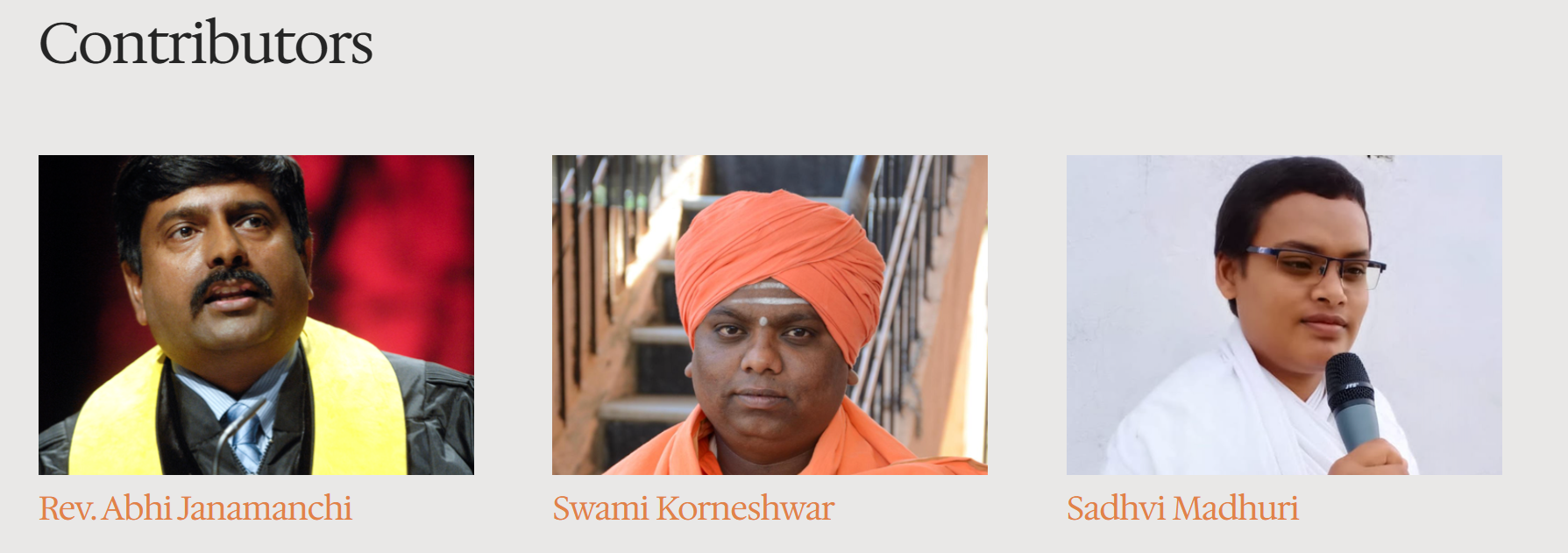
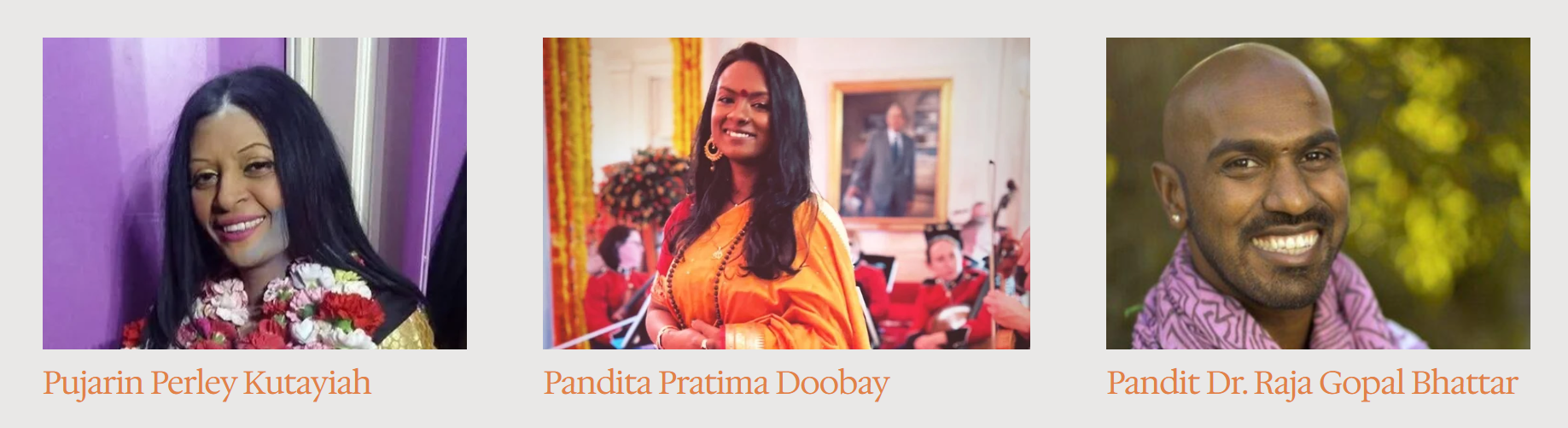
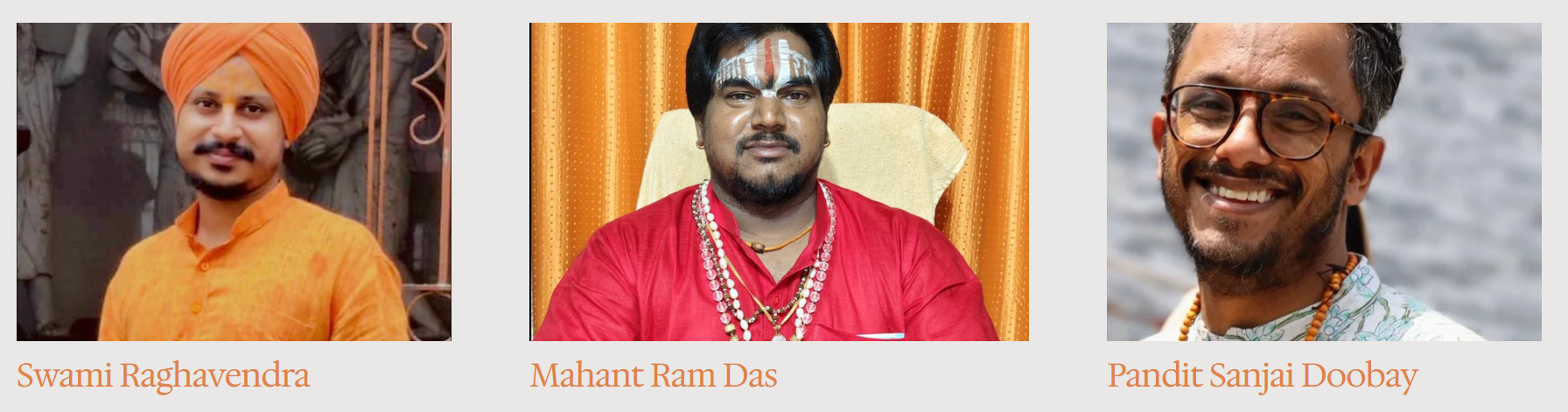
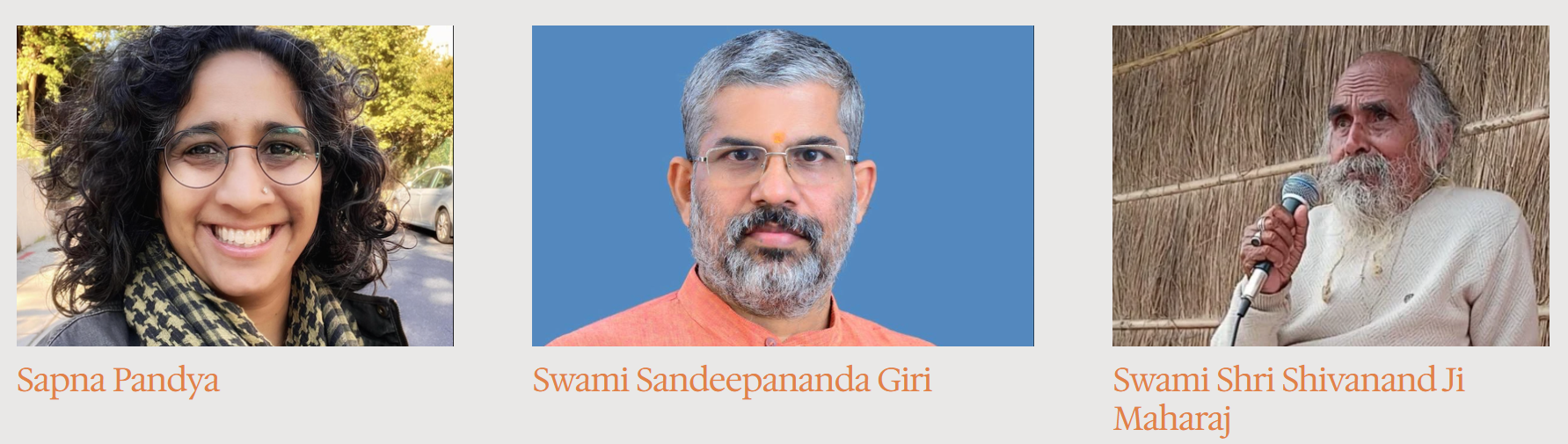
The anthology brings together writers, scholars, religious leaders and practitioners whose relationships with Hindu traditions have led them toward questions of equality, liberation and solidarity.
The contributors do not speak with a single voice, nor should they.
They approach Hindu thought from different backgrounds, lineages and experiences. What unites them is a willingness to ask difficult questions about what Hindu traditions can offer a world shaped by inequality, violence and division.
The result is not a manifesto or a new orthodoxy. It is an invitation.
It invites readers to engage Hindu traditions as living traditions, capable of reflection, self-criticism, renewal and transformation.
From a Book to a Community of Practice
Samadarshini was never envisioned as a book project alone.
The publication of Seeing Equally is part of a wider effort to create spaces where progressive Hindu theology can be studied, practiced, debated and lived.
Through conversations, gatherings, educational programs and partnerships, Samadarshini is connecting scholars, practitioners, activists and communities in India and across the diaspora.
That work has developed in relationship with institutions including Union Theological Seminary and Garrett-Evangelical Theological Seminary.
These relationships matter because the questions Samadarshini is asking are not uniquely Hindu ones.
Across religious traditions, communities are confronting the same challenge: whether faith will become a tool of hierarchy and nationalism, or a source of courage for those working toward justice and human dignity.
Another Hindu Future Is Possible
For Hindus for Human Rights, this work is deeply connected to our founding purpose.
We believe that opposing Hindu nationalism cannot be our only task.
We must also articulate what we are for.
We are for a Hinduism that sees the divine in every human being.
A Hinduism that rejects caste hierarchy.
A Hinduism that stands with minorities rather than demanding their submission.
A Hinduism that sees religious diversity not as a threat but as part of the beauty of our shared world.
A Hinduism that understands freedom as something we build together.
That vision is not new. Progressive, egalitarian and liberatory currents have always existed within Hindu traditions. Samadarshini seeks to bring those currents into conversation with one another and to ask what they demand of us now.
The publication of Seeing Equally is an important milestone in that journey.
But it is also a beginning.
We hope readers will engage the book, challenge it, discuss it in their communities, bring it into classrooms and places of worship, and use it as a starting point for imagining what a more equal Hindu future might look like.
Because a Hinduism of equality, justice and liberation is not only possible.
It is already being built.