
Nine days. Nine women and movements who are changing the world
Navratri 2026
What is Navratri?
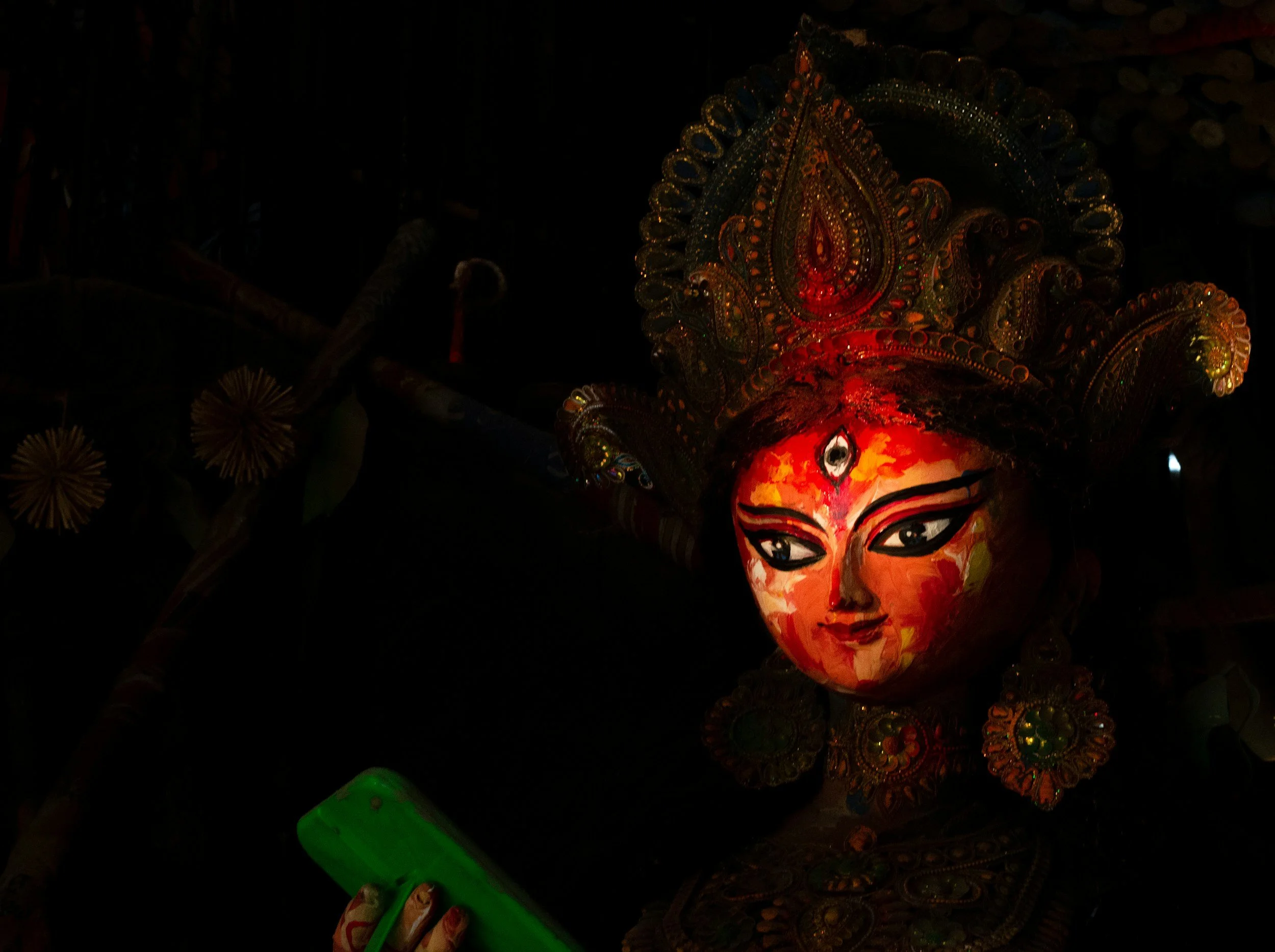
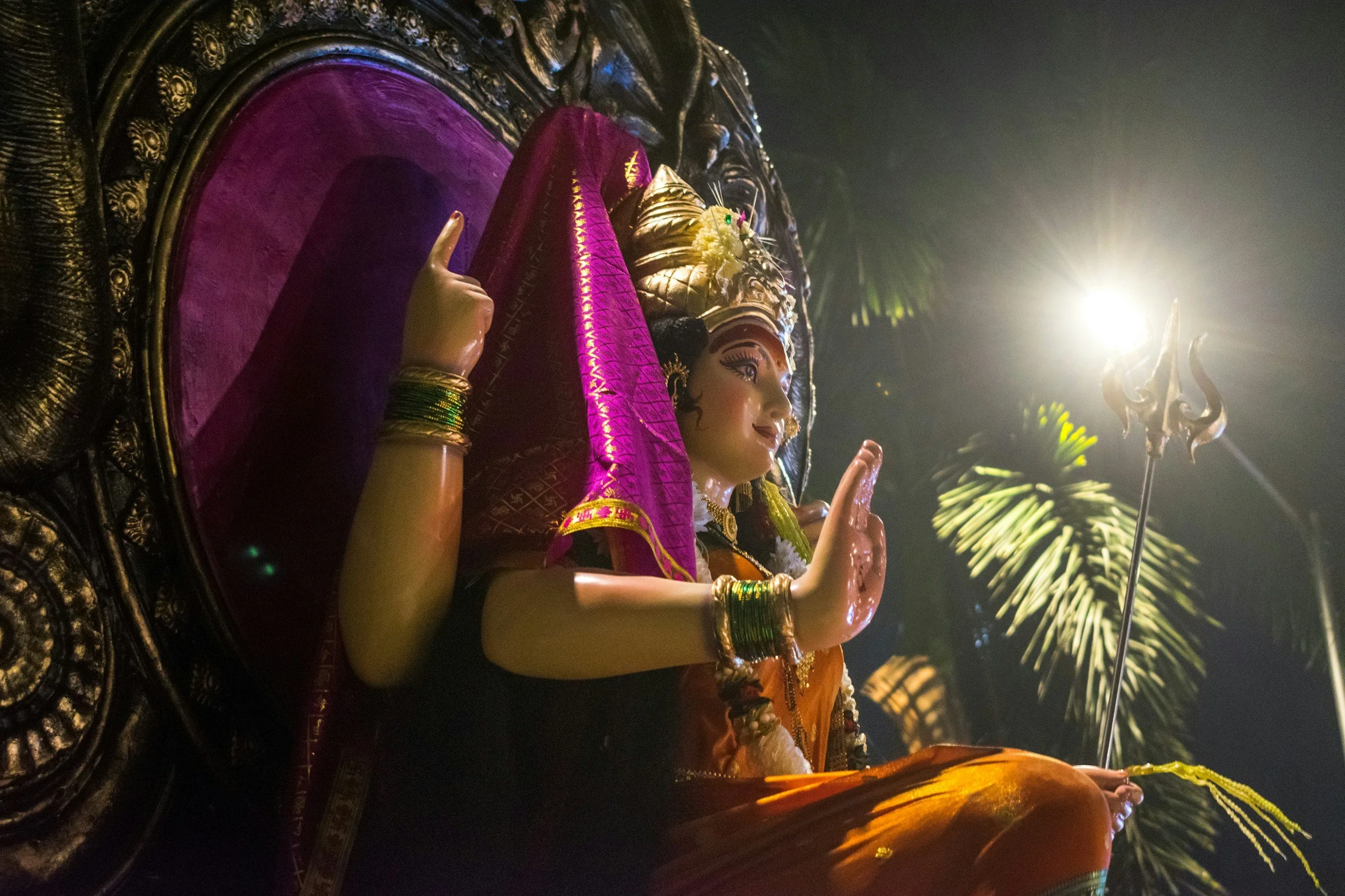
Navratri is the Hindu festival celebrating the goddess Durga, the goddess of strength and protection. We dedicate these nine nights to Mother Durga and her nine forms: Shailaputri, Brahmacharini, Chandraghanta, Kushmanda, Skandamata, Katyayani, Kalaratri, Mahagauri, and Siddhidatri.
Each form of Durga represents the strength and power of the divine feminine, reflected in the strength and power of the women of the world. We honor Durga and pray for the victory of good over evil in our world.
As Hindus for Human Rights, we draw on the power of Durga as we work for equality, justice, liberation and human rights. This Navratri, we honor women across South Asia and beyond who are putting courage into practice: organizing, defending communities, challenging injustice, speaking truth to power and creating space for others to live more freely.
The nine women and movements we highlight this year come from different countries, communities, faiths and struggles. What connects them is not a single identity, but a willingness to act: to resist hierarchy, demand accountability, defend dignity and insist on a more just future.
For us, this is one way of understanding the divine feminine: not only as strength or resilience, but as the power to question, organize, protect, transform and refuse injustice.
And while these women offer extraordinary examples, we also believe that courage and strength are found in everyday acts of care, resistance, honesty and solidarity.
Who are we celebrating this Navaratri?
-
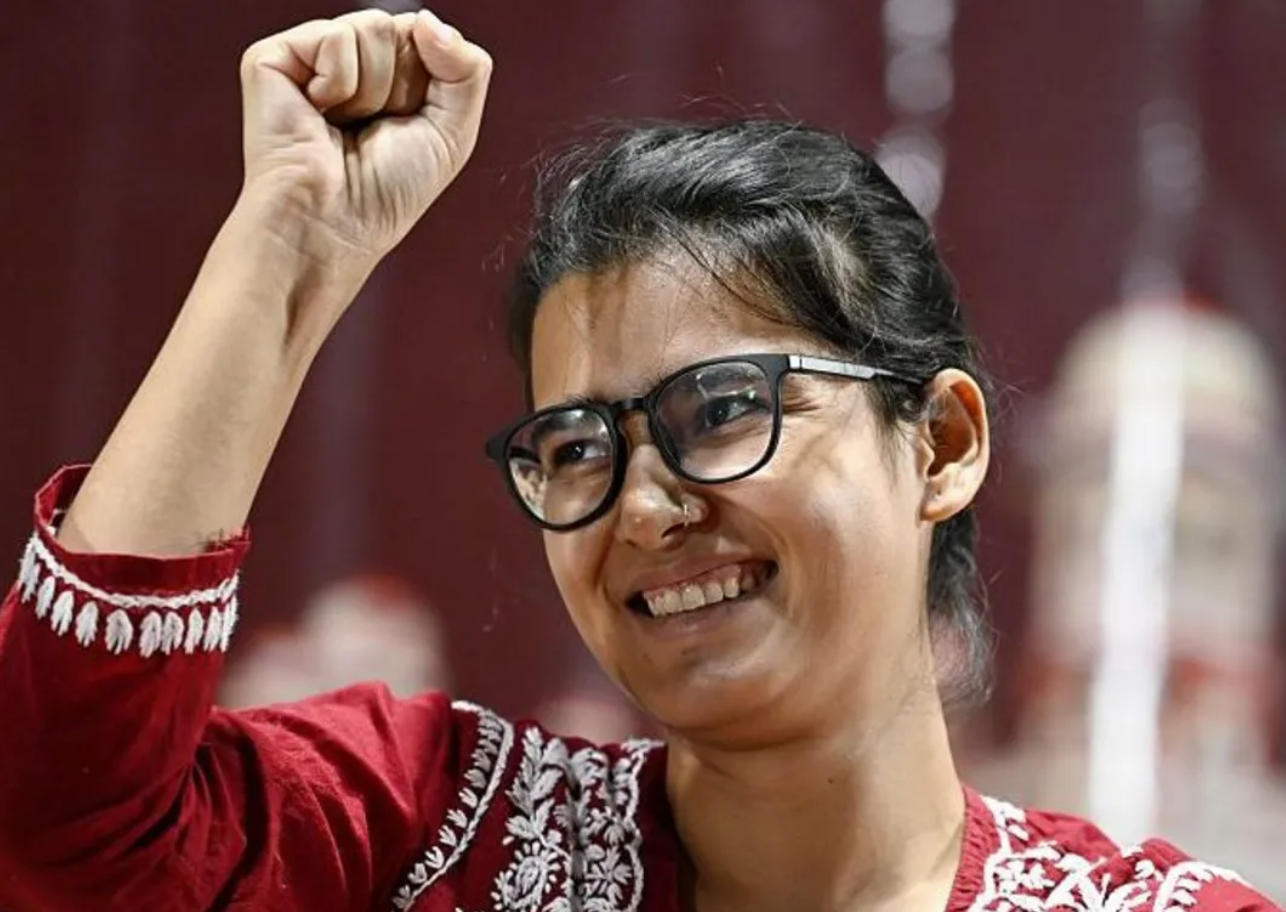
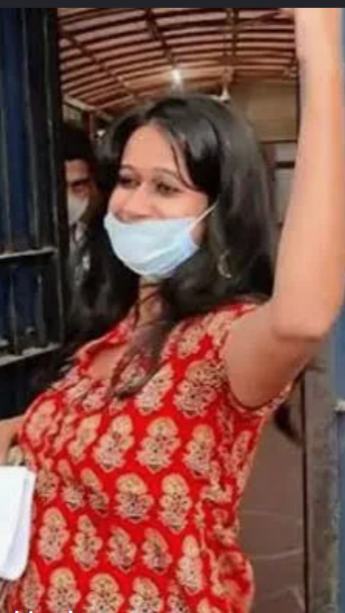
Neha Bora is a student organizer helping connect a new generation’s demands for opportunity with the struggle for democratic accountability.
As national president of the All India Students’ Association, Bora has been a prominent participant in the 2026 protests challenging the Special Intensive Revision of India’s electoral rolls and demanding accountability from the Election Commission. In recent demonstrations around Jantar Mantar, she was repeatedly detained alongside students, civil society leaders and other protesters attempting to exercise their right to peaceful assembly. The Indian Express
The movement has also intersected powerfully with questions of gender and public space. Women journalists covering the protests accused police personnel of sexual harassment, adding demands for women’s safety and accountability to an already widening democratic movement. The Indian Express
Bora represents a generation insisting that democracy is something people participate in, defend and continually remake.

-
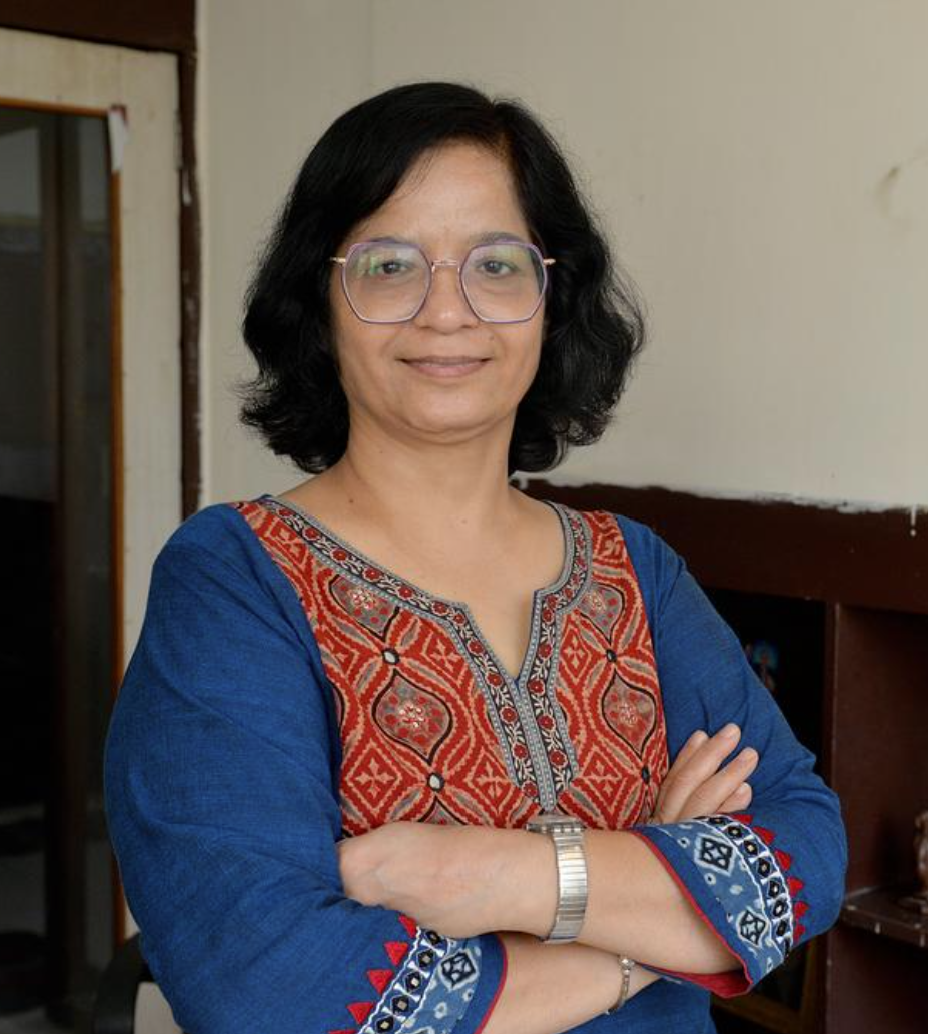
Natasha Narwal is a feminist organizer who has challenged the idea that restricting women’s freedom is an acceptable way to keep them safe.
Narwal is a founding member of Pinjra Tod, the movement created by women students and alumni across Delhi to challenge discriminatory hostel curfews and other restrictions on women’s mobility. The collective has argued that safety should not become an excuse for surveillance, confinement or the suppression of women’s independence. Front Line Defenders
Narwal later became a prominent participant in peaceful protests against the Citizenship Amendment Act, linking women’s freedom with constitutional equality and the right to dissent. She and fellow Pinjra Tod organizer Devangana Kalita were arrested in 2020 in cases connected to the anti-CAA protests.
Her organizing poses a question that remains urgent today: Why should women have to surrender freedom in exchange for safety?
-
Manjula Pradeep has spent more than three decades insisting that gender justice cannot be separated from caste justice.
A Dalit feminist, lawyer and human rights defender, Pradeep began her activism with Navsarjan Trust and has built a career confronting caste and gender discrimination while developing leadership among women and young people from marginalized communities. Today she serves as National Convenor of the National Council of Women Leaders and chairs the WAYVE Foundation. Centre for Inclusive WASH
Her work has paid particular attention to caste-based sexual violence and the barriers Dalit women encounter when seeking justice. Rather than treating marginalized women only as victims of injustice, Pradeep has worked to ensure they become organizers, advocates and leaders themselves. National Council of Women Leaders
For a Hindu movement committed to liberation from caste hierarchy, her work offers a particularly important challenge: transformation must center the people most harmed by inequality.
-
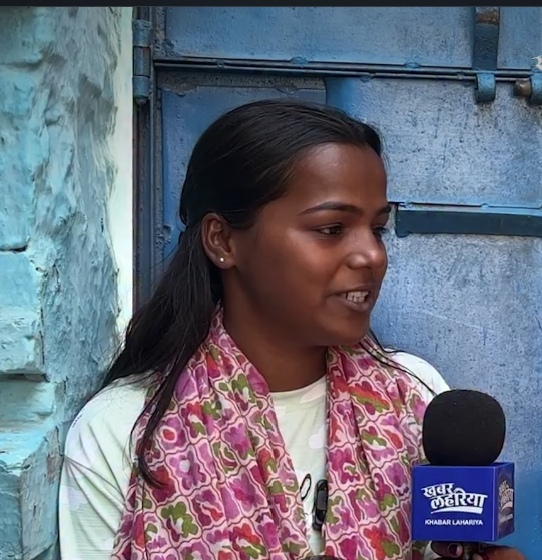
Divya Ahirwar is helping lead a grassroots struggle over land, displacement and who gets to decide what development looks like.
An elected councillor from Bijawar tehsil in Madhya Pradesh, Ahirwar has been prominent in protests by communities affected by the Ken-Betwa Link Project. Villagers have demanded adequate compensation, rehabilitation and recognition for families whose land and livelihoods are being transformed by the enormous river-linking project. Women, including Adivasi women, have been at the forefront of the demonstrations. India Development Review
Ahirwar herself has spoken publicly about the movement and about police efforts to clear protest sites. In September 2026, The Wire reported that she was among demonstrators arrested as protests continued in Panna district. The Wire
Her activism reminds us that environmental justice is also about democracy: communities must have a meaningful voice in decisions about their land, water and future.
-
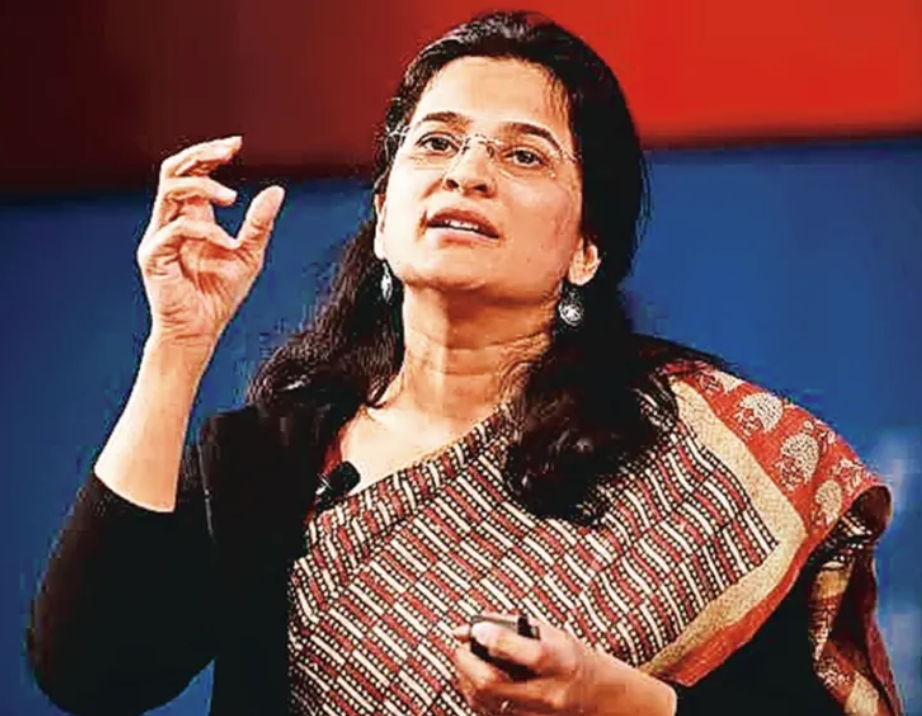
Anjali Bhardwaj has spent decades turning the democratic right to know into a practical tool ordinary people can use to challenge power.
Bhardwaj is a leading figure in India’s Right to Information movement and the founder of Satark Nagrik Sangathan, which helps citizens obtain and understand information about government budgets, public services and the performance of elected representatives. Her work has helped transform transparency from an abstract democratic ideal into something communities can use to demand accountability. Ashoka
That work remains intensely relevant. In September 2026, Bhardwaj was among activists detained near Jantar Mantar while protesting the Special Intensive Revision of voter rolls and demanding the resignation of Chief Election Commissioner Gyanesh Kumar. The Indian Express
Her activism rests on a simple democratic proposition: people cannot hold power accountable if they are denied the information needed to question it.

-
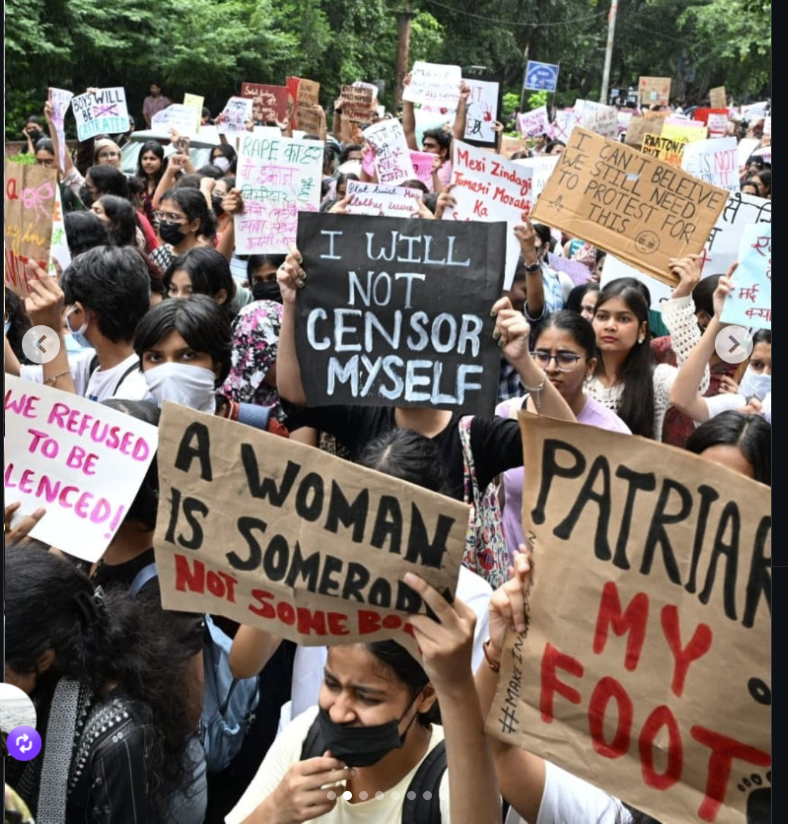
In September 2026, women students across Delhi University organized a wave of demonstrations following the alleged gang rape of a 17-year-old girl in South Delhi. Students from Miranda House, Lady Shri Ram College, Gargi College and other institutions marched demanding accountability for sexual violence and genuinely safer campuses and streets. The Indian Express
One march carried the declaration “Hum Auratein Azaad Hain”, “We women are free.” Participants rejected the familiar response of imposing greater restrictions on women after violence occurs. They demanded better lighting, public transportation and institutional accountability while insisting that surveillance and curfews are not substitutes for freedom and safety. The Times of India
We honor them collectively because movements are not made only by famous leaders. They are made by people discovering their power together.
-
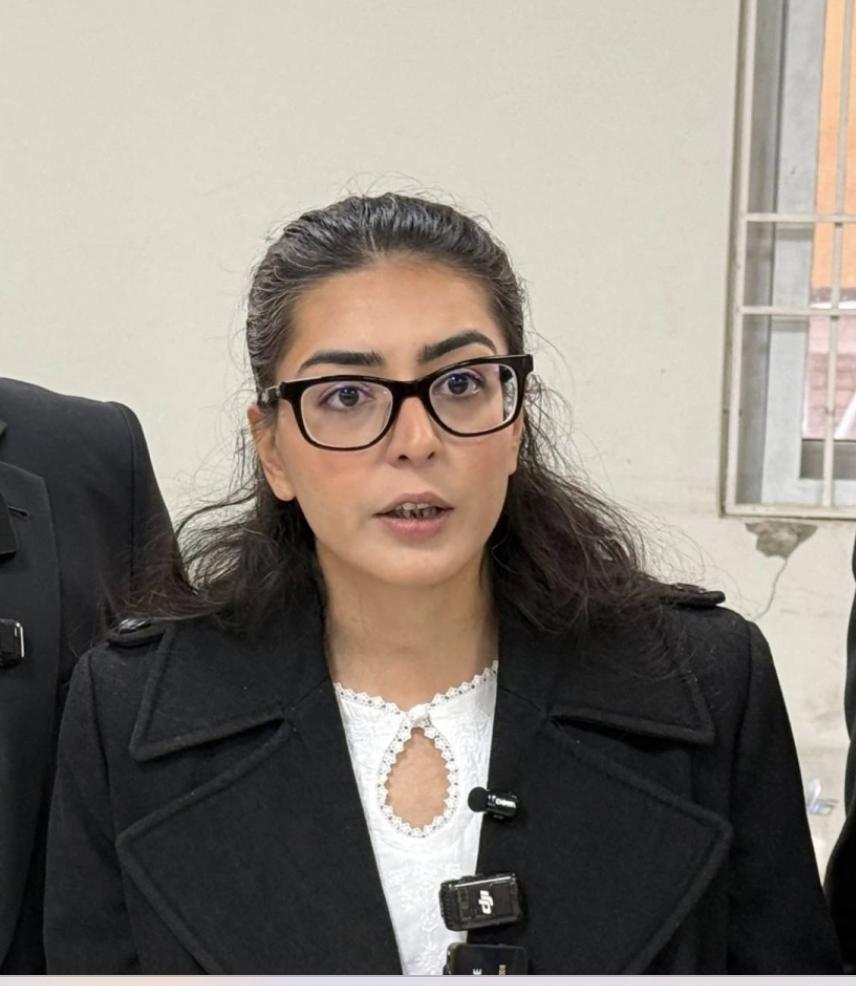
Imaan Mazari is a Pakistani human rights lawyer who has defended people facing some of the most powerful institutions in her country.
Mazari has represented victims of enforced disappearances, extrajudicial killings, arbitrary detention and custodial abuse, and has spoken forcefully for persecuted ethnic and religious communities. Her advocacy has frequently challenged alleged abuses by Pakistan’s military, police and intelligence agencies. Front Line Defenders
That work has carried extraordinary personal consequences. In January 2026, Mazari and her husband and fellow human rights lawyer Hadi Ali Chattha were sentenced to lengthy prison terms in a case arising from social media posts critical of the state. Front Line Defenders describes the proceedings as part of sustained judicial harassment connected to their human rights work. In 2026, the pair received the Ludovic-Trarieux International Human Rights Prize. Front Line Defenders
Her work asks what solidarity requires when simply defending another person’s rights can place your own freedom at risk.
-
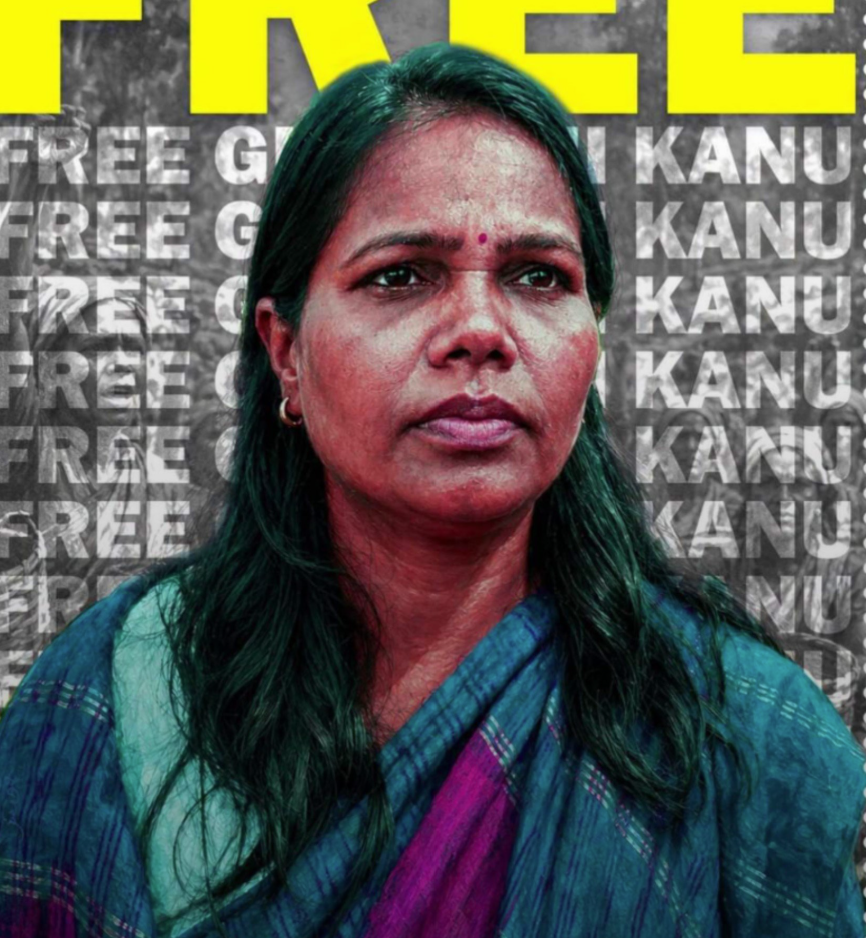
Gita Rani Kanu organizes among some of Bangladesh’s most historically marginalized workers: the women and men laboring on its tea estates.
Based in Bangladesh’s Sylhet tea-growing region, Kanu has spent years organizing for tea workers’ land rights, higher wages and greater democracy within their unions. She convenes the Bangladesh Tea Worker Women’s Forum, serves as General Secretary of the Tea Workers’ Grand Struggle Committee and is a member secretary of the Tea Workers’ Rights Movement. Front Line Defenders
In 2024, she became the first person from the tea workers’ community to contest for chairperson of the Kamalganj Upazila Parishad, and was the race’s only woman candidate. In September 2026, plainclothes police arrested her following a tea workers’ rights protest, and Front Line Defenders reported that she remained detained. Front Line Defenders
Kanu’s work demonstrates how struggles for women’s rights, labor rights and land rights frequently become one struggle.
-
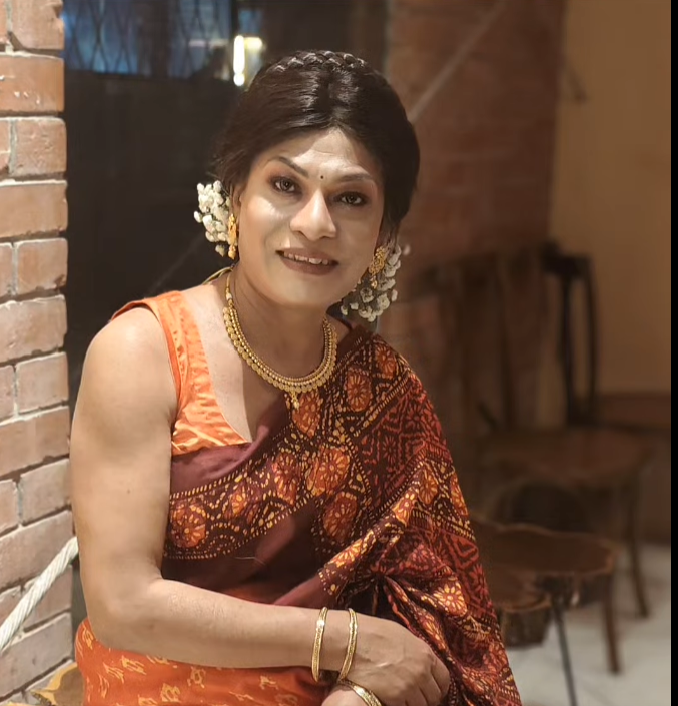
Joya Sikder has spent more than two decades expanding the space in which transgender people in Bangladesh can live, organize and speak for themselves.
A trans woman and human rights defender, Sikder is the founder and chief executive of Sompurna, an organization advocating for transgender and gender-diverse communities through grassroots organizing, public education, policy dialogue and advocacy. Her activism began in the late 1990s, including early work documenting violence experienced by Hijra communities and promoting access to health services. Front Line Defenders
She later helped build Badhon Hijra Sangha and founded the organization that became Sompurna in 2010. Her advocacy has addressed discrimination, violence, health and political recognition while bringing transgender voices directly into national and international policy discussions. Front Line Defenders
Sikder’s life and work broaden the meaning of women’s liberation itself: freedom requires challenging the boundaries societies construct around whose gender, dignity and humanity are recognized.