
Six Years Without Trial: The Continuing Injustice of Umar Khalid’s Imprisonment
ix years ago today, on September 13, 2020, Umar Khalid was arrested under India’s Unlawful Activities (Prevention) Act in the alleged “larger conspiracy” case surrounding the violence in northeast Delhi. He has now spent six years in prison without the evidence against him being tested at trial.
That fact should be difficult to absorb. Six years is not a procedural delay. It is a substantial portion of a human life, taken before conviction. Khalid has spent most of his thirties in Tihar Jail while the courts have repeatedly denied him bail and the trial has failed to begin.
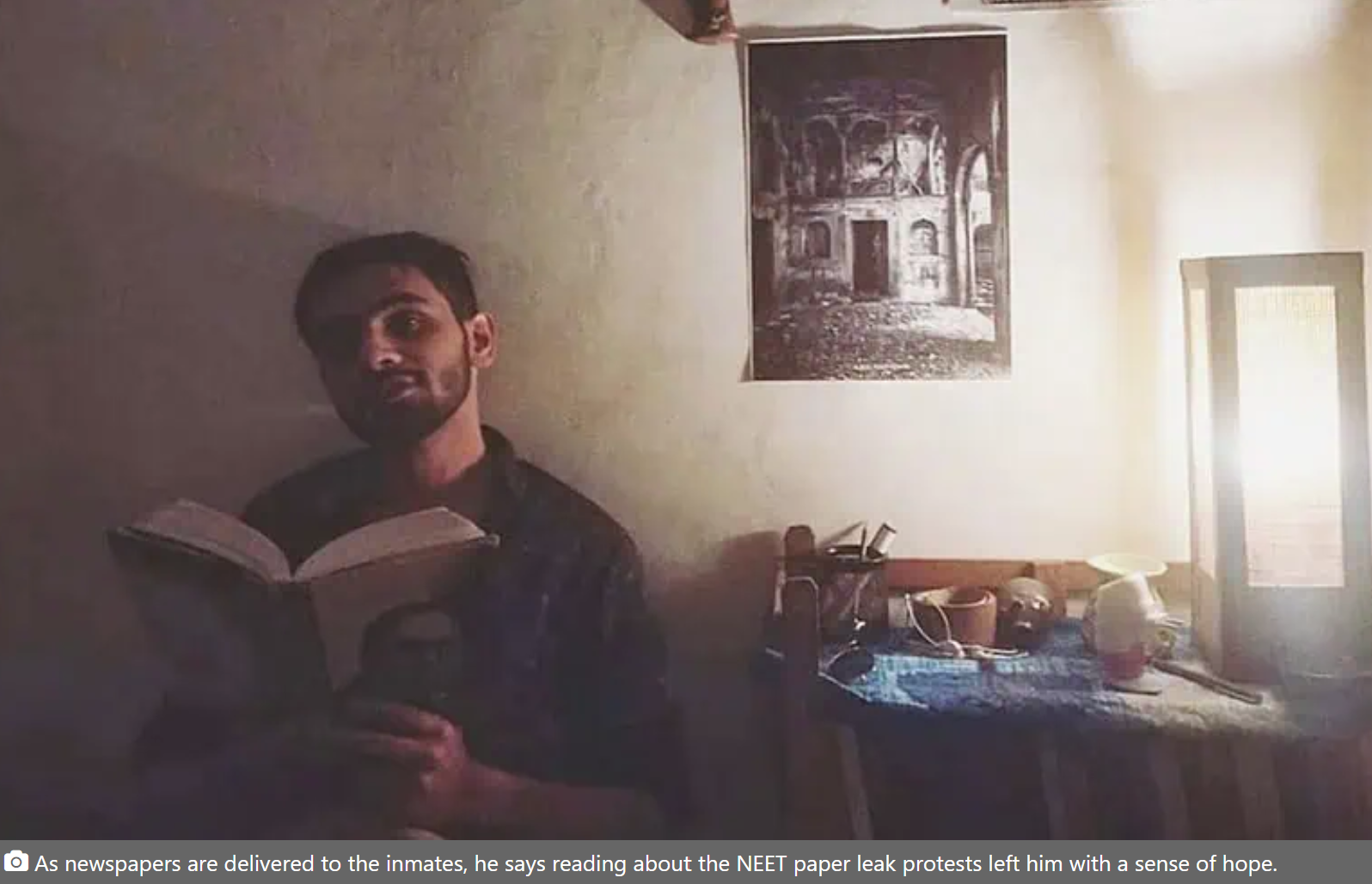
via Siasat
Recent coverage has made the injustice increasingly difficult to ignore. In a deeply personal account of daily life in Tihar, Khalid writes about prison routines, five-minute calls with loved ones, anxiety, breathlessness and days that have come to be measured by the changing seasons. Siasat Daily published excerpts from the account, first carried by The Quint. An earlier letter published by The Quint describes the isolation and fear of imprisonment during the pandemic.
The legal reporting is equally disturbing. In July, both The Wire and The Quint reported that a Delhi court had again refused bail to Khalid and Sharjeel Imam, saying it was bound by an earlier Supreme Court order.
Yet another Supreme Court bench has since warned that prolonged imprisonment under the UAPA cannot be permitted to override the constitutional right to liberty. SabrangIndia examined that ruling and its pointed criticism of the reasoning used to deny Khalid bail. The Court’s own contradiction is now plain: it has reaffirmed that bail remains the rule even under the UAPA, while Khalid remains behind bars.
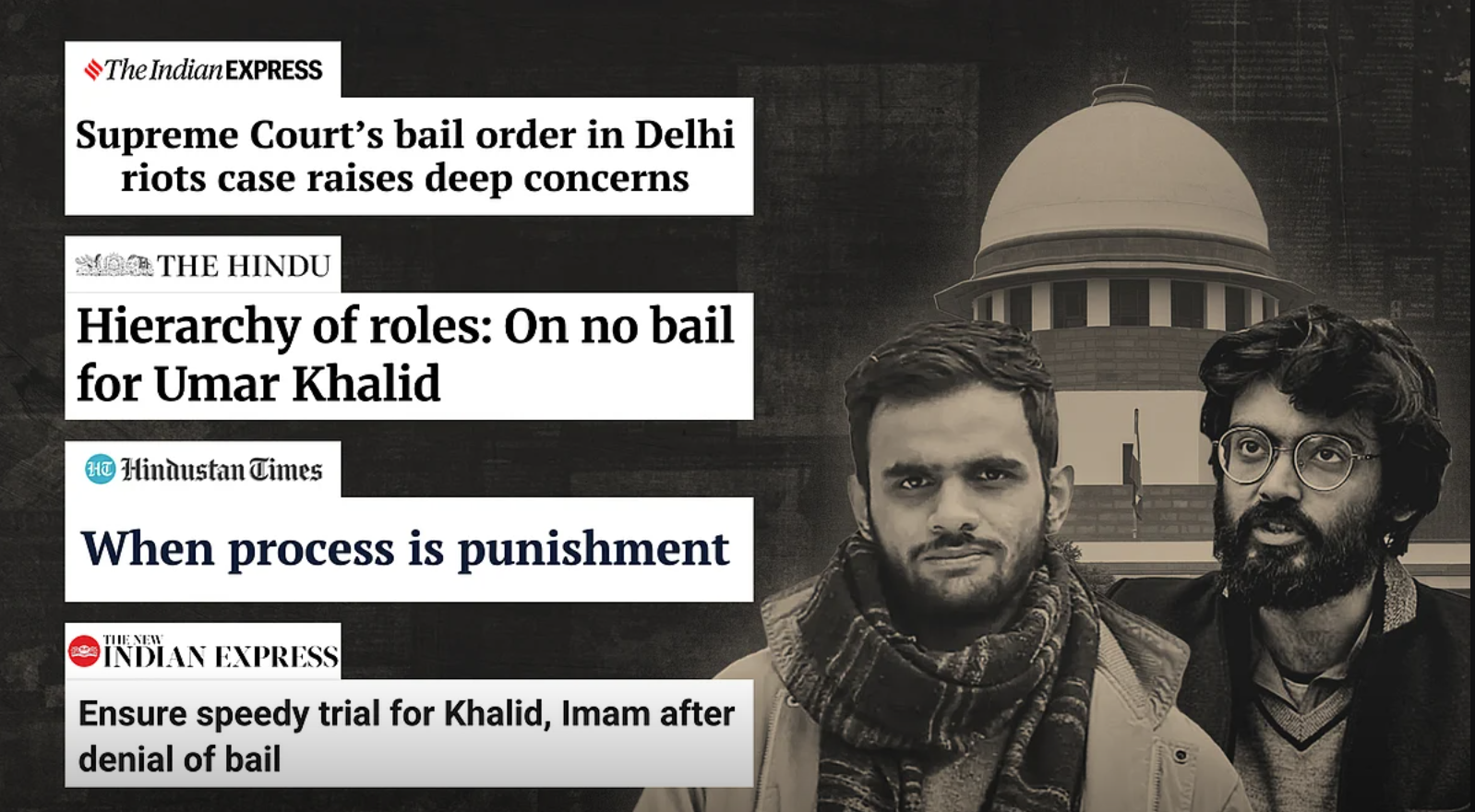
via Newslaundry
This concern reaches well beyond independent media. An Indian Express editorial called the denial of bail an alarming retreat from the principle that bail is the rule and jail the exception. Newslaundry surveyed similarly critical editorials in The Hindu, Hindustan Times, The Tribune and other newspapers. Their shared concern was simple: pretrial detention must not become punishment.
Other recent pieces place Khalid’s incarceration within the wider suppression of Muslim political speech and democratic dissent:
The Guardian: “Humanity Is a Privilege”: Umar Khalid on Six Years in an Indian Jail Without Trial
Article 14: How the Supreme Court’s Bail Order Enables Efforts to Silence Muslim Voices
The Wire: Umar Khalid’s Scholarship, Incarceration and the Question of Rights
SabrangIndia: A Decade of Students Challenging a Regime That Seeks to Control Thought
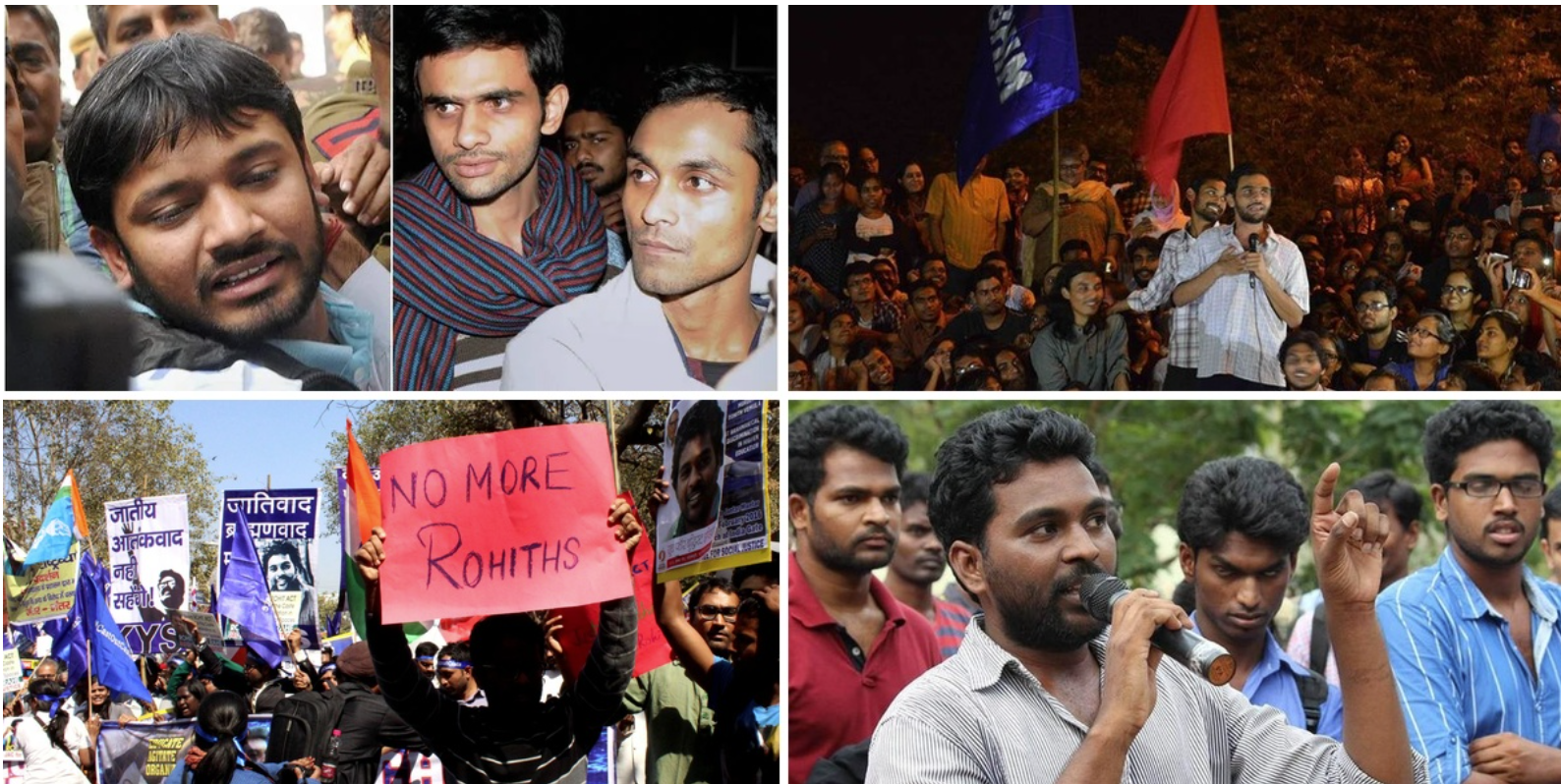
via Sabrang
Across these accounts, a clear picture emerges. Khalid’s imprisonment is about more than one person or one bail petition. It concerns whether allegations made under a sweeping anti-terror law can deprive someone of years of freedom before a court has determined guilt.
Six years without trial is six years too long. Umar Khalid must be released on bail and given the fair and speedy trial that the Constitution promises.