
The Great Night of Shiva: Dissolution, Hierarchy, and the Ethics of Power
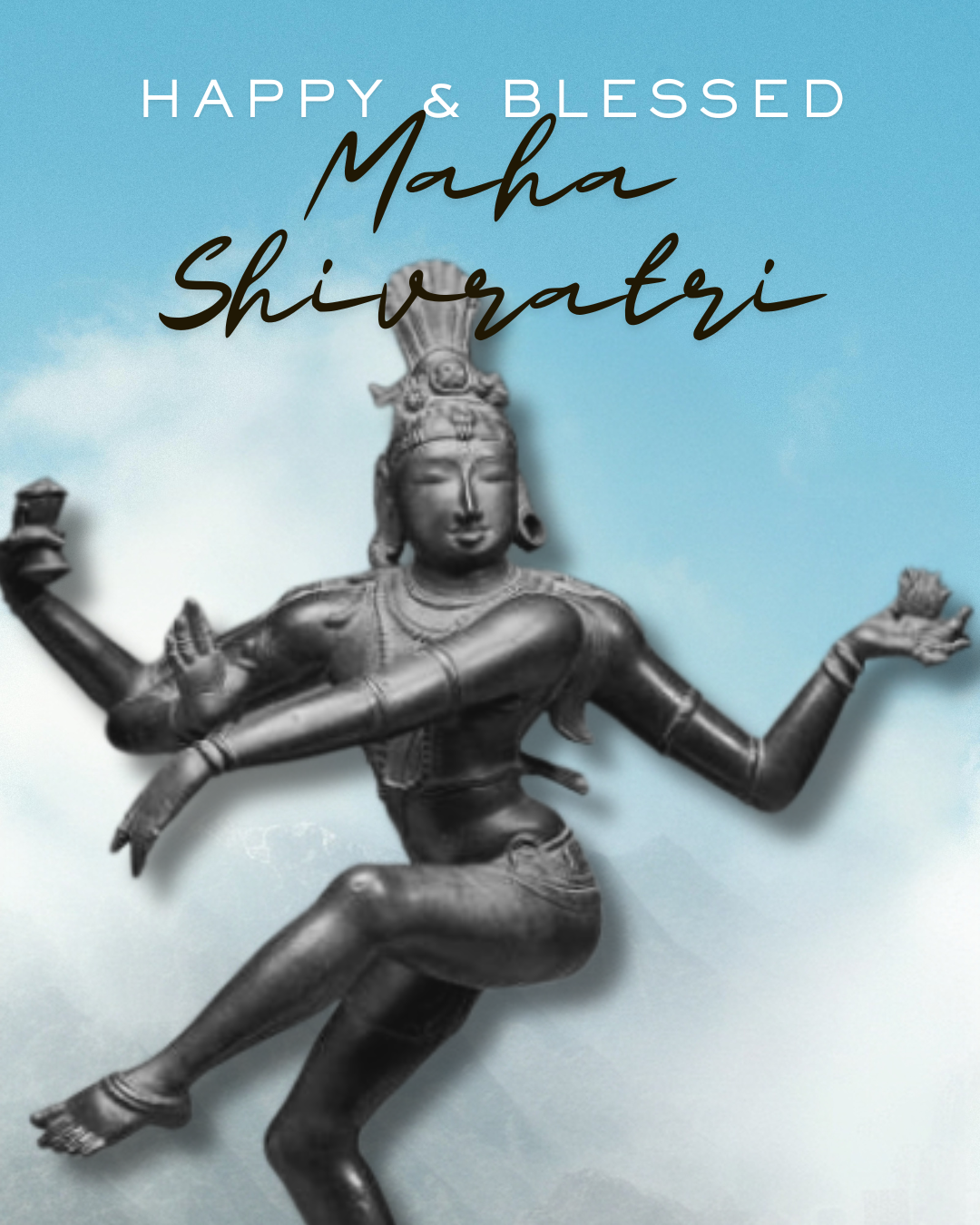
Maha Shivaratri arrives not as spectacle, but as interruption. It is the night to sit inside dissolution.
Shiva is often described as destroyer — but that translation flattens something far more unsettling and more necessary. Shiva is not destruction as rage. Shiva is dissolution as revelation. The tearing away of illusion. The collapse of false permanence. The burning down of ego, hierarchy, and pretense.
For those of us thinking seriously about faith and justice, Maha Shivaratri is not a retreat from the world. It is a reckoning with it.
In popular shorthand, Shiva is labeled “the destroyer.” Yet in Shaiva theology, destruction is not annihilation for its own sake. It is dissolution — laya — the breaking down of what has hardened into illusion. Shiva’s role in the cosmic cycle is not rage but revelation. What cannot endure ethically must dissolve so that regeneration becomes possible.
This theological subtlety matters, especially in times when religious language is easily sharpened into identity and identity into exclusion.
One of the most enduring images associated with Shiva is that of Neelkanth — the blue-throated one — who drinks the halahala poison during the churning of the cosmic ocean. The poison does not disappear. It remains suspended in his throat, visible and contained. The story is not about conquest. It is about restraint. Shiva confronts toxicity without redistributing it, absorbs danger without converting it into vengeance.
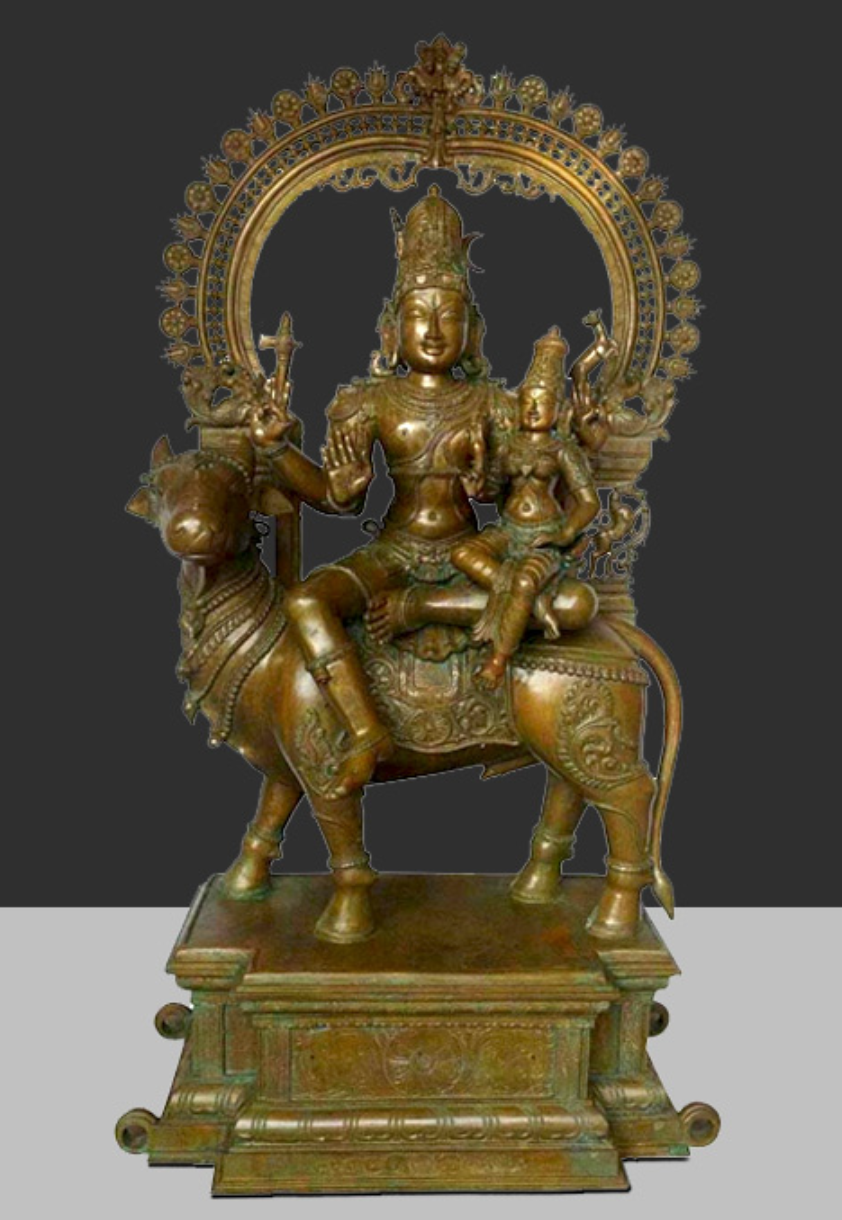
In a world saturated with ideological extremity, outrage cycles, and religious symbolism deployed for power, this image feels newly urgent. The discipline of holding poison without becoming poisonous is not weakness. It is moral strength.
Shiva’s iconography deepens this challenge. He dwells in cremation grounds, covers himself in ash, surrounds himself with beings who exist outside the polished order of society. The cremation ground erases hierarchy; ash levels distinctions. Shiva’s presence there resists any easy alignment between sacredness and social purity.
That symbolism has always existed in tension with historical realities of caste stratification and ritual hierarchy. Hindu communities, like all communities, have been shaped by inequity. But Shiva’s theological form disrupts the logic of fixed rank. The divine is not confined to sanitized space. It is found in what society discards.
Even the lingam — elemental, abstract, generative — resists anthropomorphic coding of status. It does not encode caste. It does not signal social class. It points toward something prior to hierarchy.
Maha Shivaratri’s practices reinforce this stripping away. Fasting reduces excess. Silence reduces performance. The night vigil — jagaran — is a refusal of sleep, not only physical but moral. To remain awake is to refuse complacency, to resist mistaking the transient for the permanent or the unjust for the inevitable.
Across contexts today — in India, in the diaspora, and globally — religious identity is sometimes compressed into political branding. Civilizational language is mobilized to consolidate power. Ancient deities are invoked in contemporary contests of dominance. Yet Shiva, in the fullness of Shaiva tradition, resists containment within narrow projects. A deity who dissolves ego cannot be comfortably conscripted into its inflation. A god who sits among ashes cannot be easily recast as a symbol of triumphal purity.
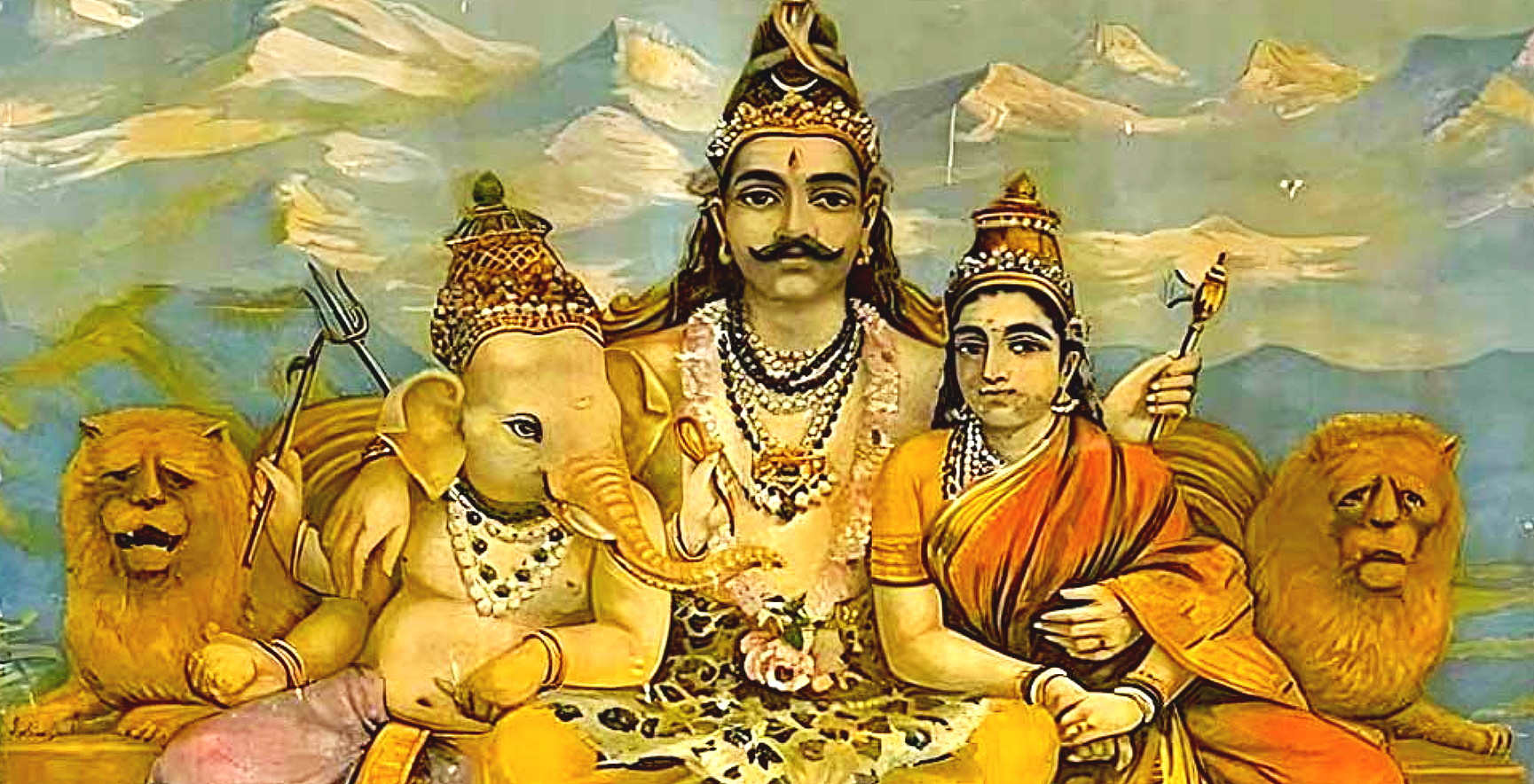
This is not an argument against faith in public life. It is an argument for theological integrity. When traditions are reduced to slogans, they shrink. Maha Shivaratri re-expands the scale.
The cosmic dance — Tandava — is often imagined as catastrophic, but in classical thought it is inseparable from renewal. Destruction is not the end of meaning; it is the clearing of illusion. Systems rooted in injustice rarely dissolve gently. Attachments to supremacy rarely loosen without resistance. Shivaratri invites practitioners to consider what in our own lives and communities has been mistaken for sacred permanence when it is merely inherited habit.
The austerity of the night is deliberate. Without distraction, we are left with ourselves. Ego surfaces. Fear surfaces. So do the attachments that tether us to comfort at the expense of solidarity.
Maha Shivaratri is therefore not an escape from the world’s tensions. It is a disciplined encounter with them. It insists that dissolution precedes renewal — that clarity precedes courage — and that strength need not announce itself loudly to be transformative.
To sit with Shiva on this night is to sit with a theology that destabilizes hierarchy, contains poison without replicating it, and reminds us that what is unjust cannot claim eternity.
Om Namah Shivaya.
Frequently Asked Questions
What is the theological meaning of Maha Shivaratri?
Maha Shivaratri represents the night of dissolution (laya) in Shaiva traditions — the destruction of ego, illusion (maya), and unjust attachment. It commemorates Shiva’s cosmic dance (Tandava), his containment of poison during the Samudra Manthan, and his union with Parvati. Theologically, it centers transformation, not annihilation.
How does Maha Shivaratri relate to caste and purity in Hindu thought?
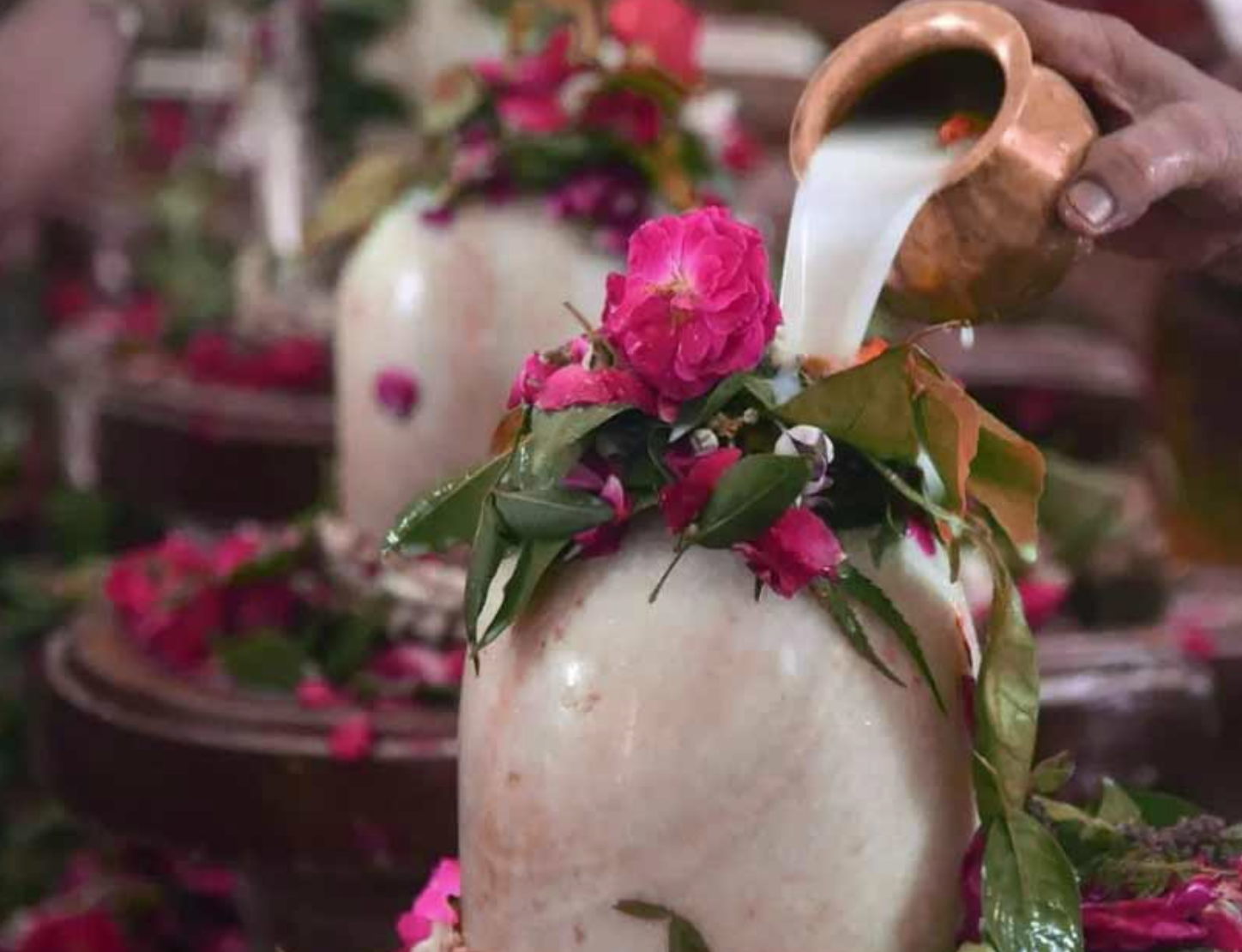
Shiva’s iconography — cremation grounds, ash, association with marginalized beings — disrupts rigid purity narratives. While caste has shaped historical Hindu societies, Shiva’s symbolic presence destabilizes hierarchy and invites reflection on sacredness beyond social stratification.
Can Shiva be understood within modern political frameworks?
Shiva transcends narrow political categorization. Attempts to reduce Shiva to civilizational or nationalist symbolism flatten the theological vastness of Shaiva traditions. Maha Shivaratri invites a return to the cosmic scale of the deity beyond instrumental use.
Why do devotees stay awake on Maha Shivaratri?
The night vigil (jagaran) symbolizes awakened consciousness — a refusal of ignorance and complacency. It reflects philosophical commitments to awareness (bodha) and moral attentiveness.
What does Maha Shivaratri ask of practitioners today?
It asks for ego-dissolution, ethical clarity, and vigilance. It invites practitioners to examine which illusions sustain injustice and which attachments prevent renewal — personally and collectively.