
Sri Lankan Independence Day: Joy, Memory, and the Work That Follows Liberation
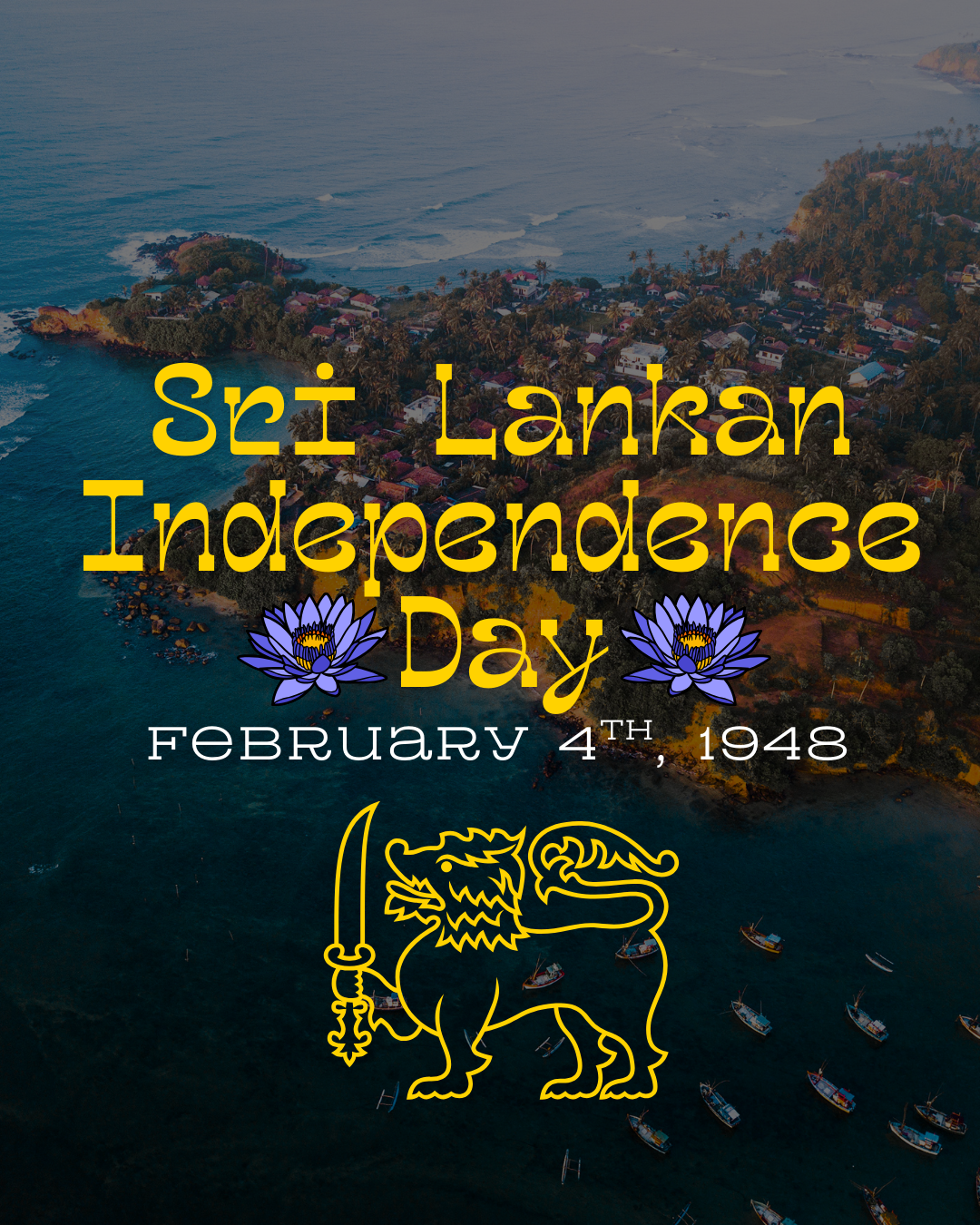
Sri Lankan Independence Day, celebrated on February 4, deserves joy. The end of colonial rule is not a footnote — it is a hard-won shift in who gets to claim the future.
Sri Lanka’s independence also belongs to a much larger turning of the world. After World War II, decolonization accelerated across Asia and Africa: dozens of new states emerged, and the idea of self-determination moved from aspiration to historical force.
But national days carry a second truth, too: independence is not a guarantee. It is a beginning.
Across South Asia — and across the post-colonial world — people learned that freedom from empire does not automatically become freedom for everyone inside the nation. New states inherited colonial borders, colonial bureaucracies, and often the same old logic of hierarchy: who is “inside,” who is “suspect,” who must be managed, who can be spoken about but not listened to.
This is why mature celebration matters. We can honor liberation without pretending history ended on a calendar date. For Sri Lanka, the decades after independence included deep conflict and devastating violence, with ongoing demands for accountability and justice that have not gone away simply because the war ended.
The point is not to “ruin” Independence Day. It’s to let it mean more.
A country grows when it can celebrate itself without requiring silence from those who carry its wounds — and when it treats pluralism not as a threat, but as the measure of whether independence has matured into dignity.
Happy Sri Lankan Independence Day. May the freedom marked today keep expanding — not only as sovereignty, but as rights, safety, and belonging for everyone on the island.
Q&A
When is Sri Lankan Independence Day?
Sri Lankan Independence Day is February 4, commemorating independence from British rule in 1948.
What does Sri Lankan Independence Day celebrate?
It celebrates self-determination: the end of colonial rule and the beginning of national sovereignty.
How is Sri Lanka’s independence connected to global decolonization after WWII?
After WWII, decolonization accelerated worldwide. Between 1945 and 1960, many states in Asia and Africa gained autonomy or independence from European empires, and the UN became a major forum for self-determination.
Why do people say independence can be “unfinished”?
Because sovereignty doesn’t automatically create equality. Many countries must still fight internal battles over minority rights, democratic accountability, and who is treated as fully belonging.
What does a “mature” Independence Day celebration look like?
It holds two truths at once: pride in liberation, and responsibility for what liberation must become. Mature celebration makes room for memory, accountability, and the ongoing expansion of rights.
What ongoing human rights issues are often raised in Sri Lanka’s post-war context?
HfHR’s own reflections emphasize unresolved injustice from the civil war period and continued concerns about accountability and the persecution of Tamil communities, alongside broader threats from exclusionary nationalism.
How does this connect to South Asia more broadly?
Across South Asia, independence often opened a second struggle: building democracies that protect minorities, expand rights, and resist majoritarian rule — a dynamic seen across many post-colonial societies.