
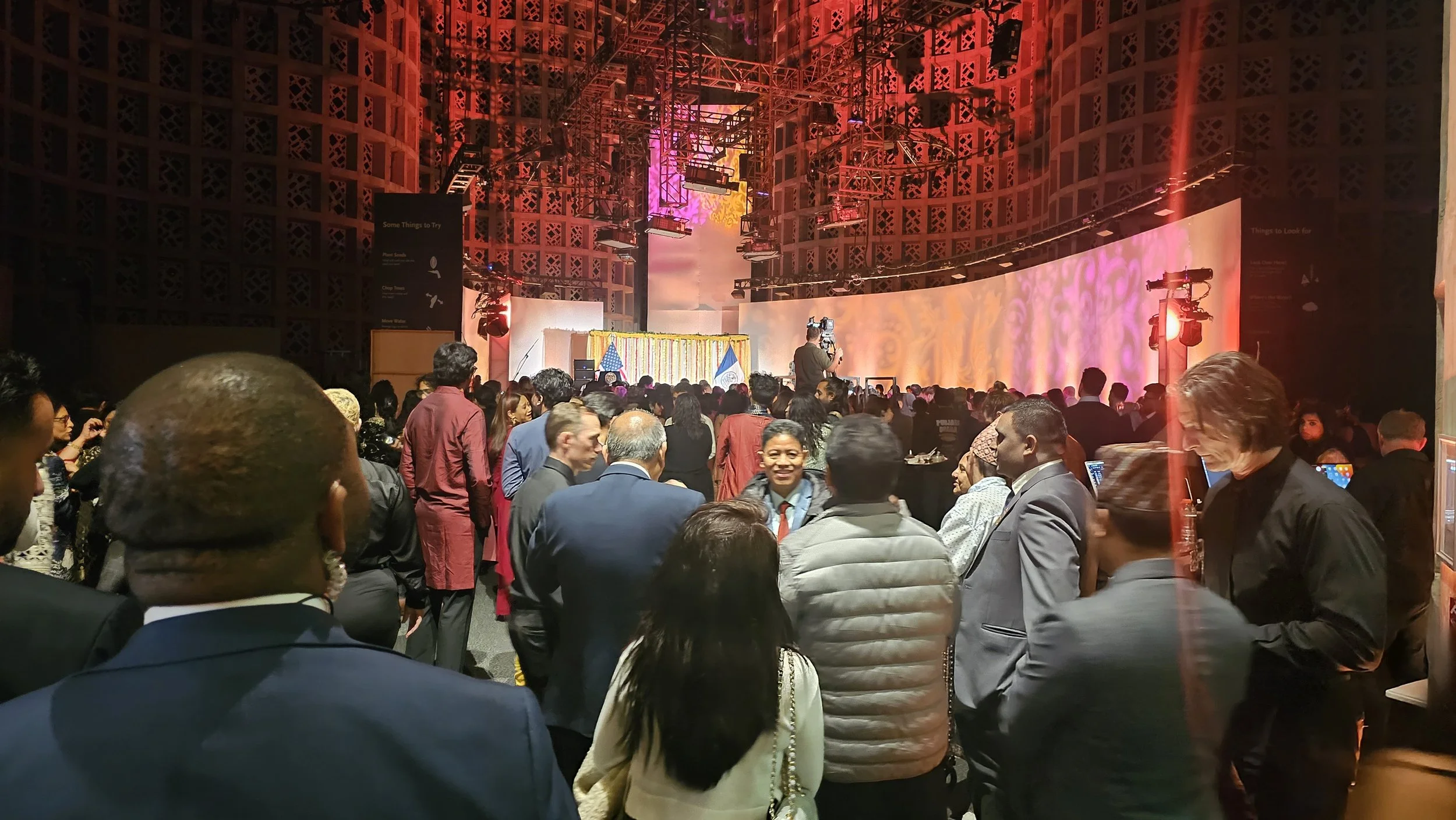
Hindus for Human Rights joined New York City’s Diwali celebration, where Mayor Zohran Mamdani and community leaders reflected on Hindu traditions, interfaith solidarity, immigrant histories and the values that unite New Yorkers.
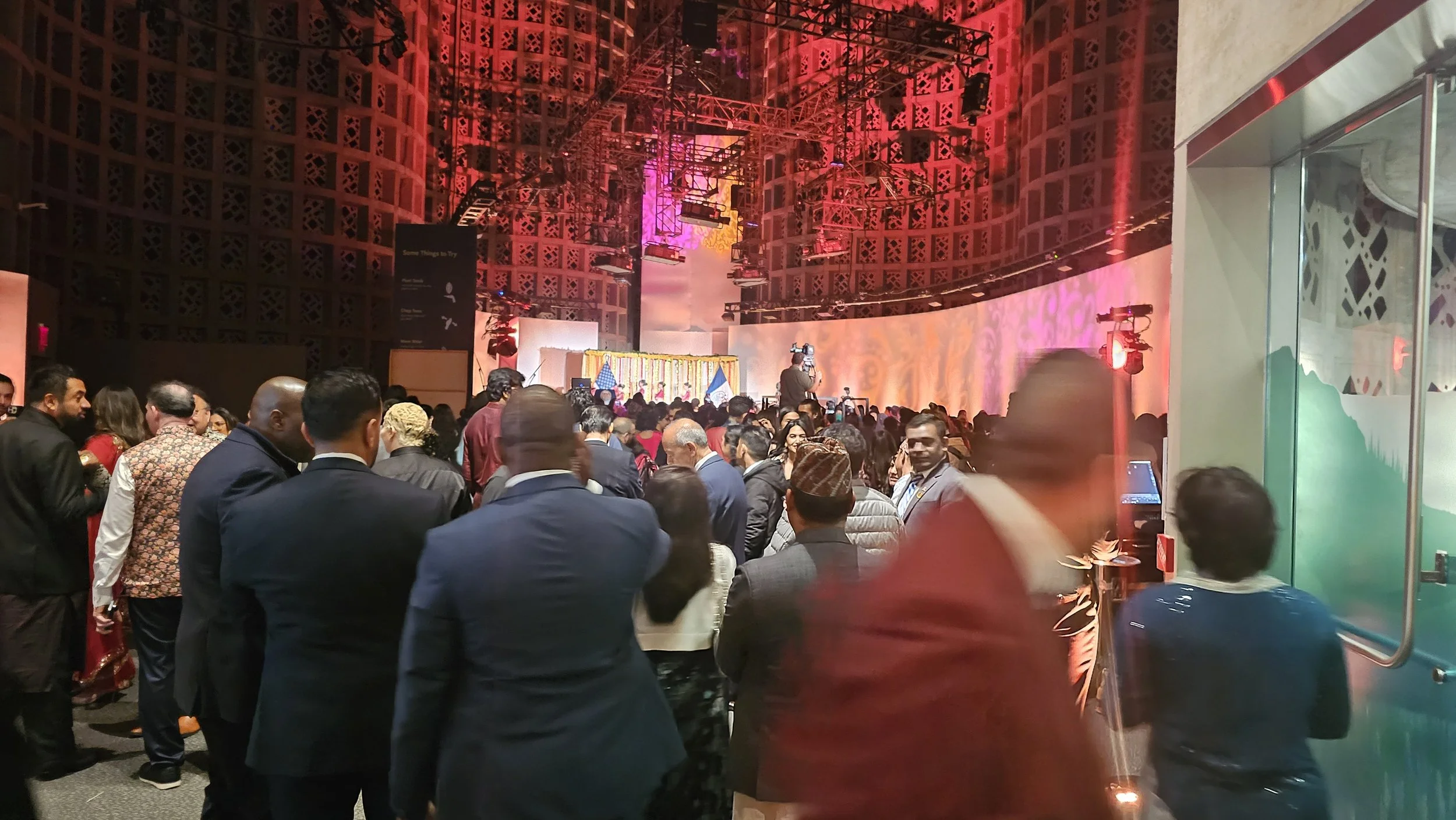
At New York City’s 2026 Diwali celebration, hosted by Mayor Zohran Kwame Mamdani, the language of light carried a distinctly contemporary meaning. Throughout the evening, speakers drew connections between Hindu spiritual traditions and the urgent civic questions of our time: religious freedom, immigrant belonging, social justice, and the responsibility to build a city in which people of every faith, and no faith, can flourish.
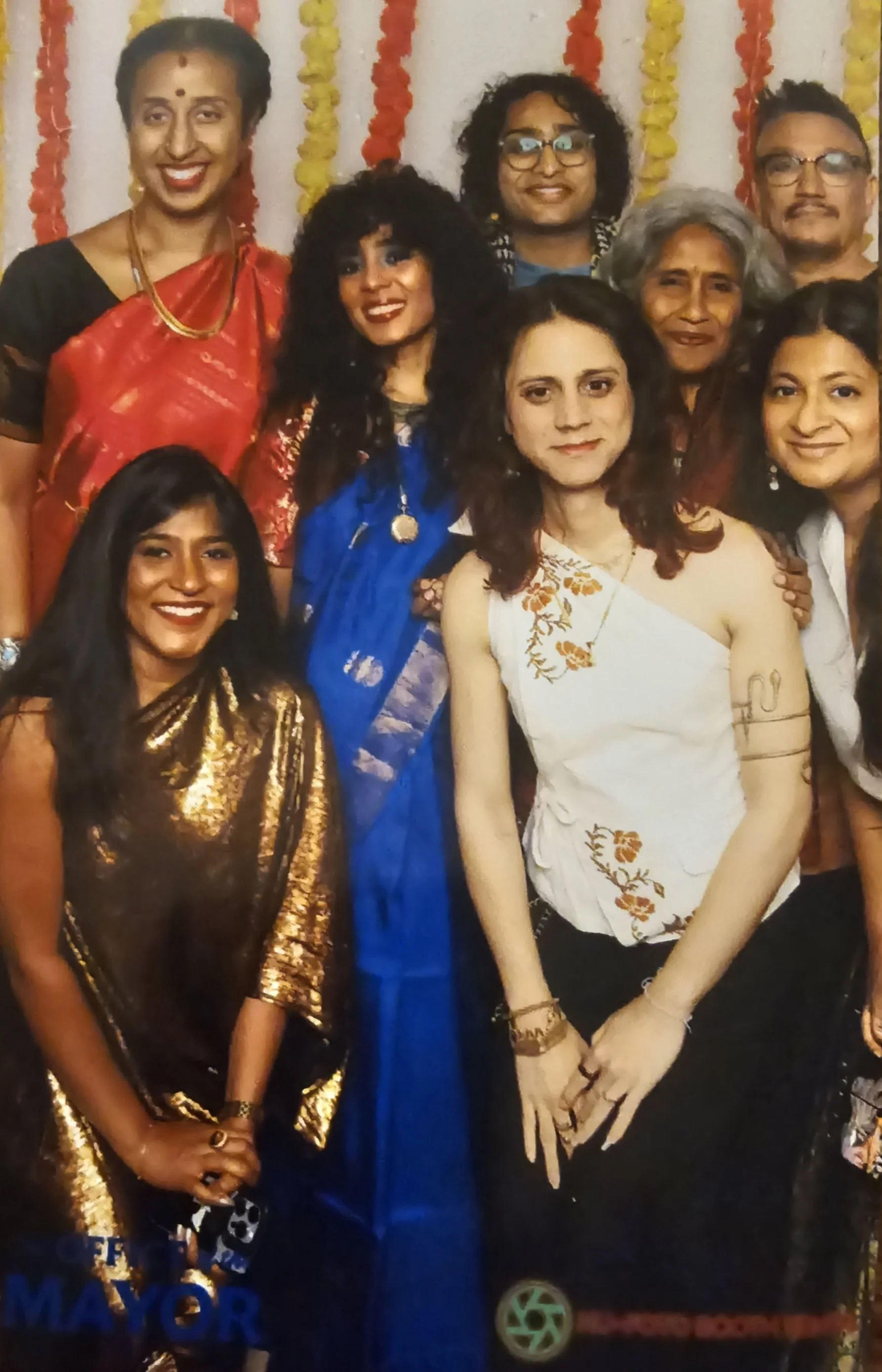
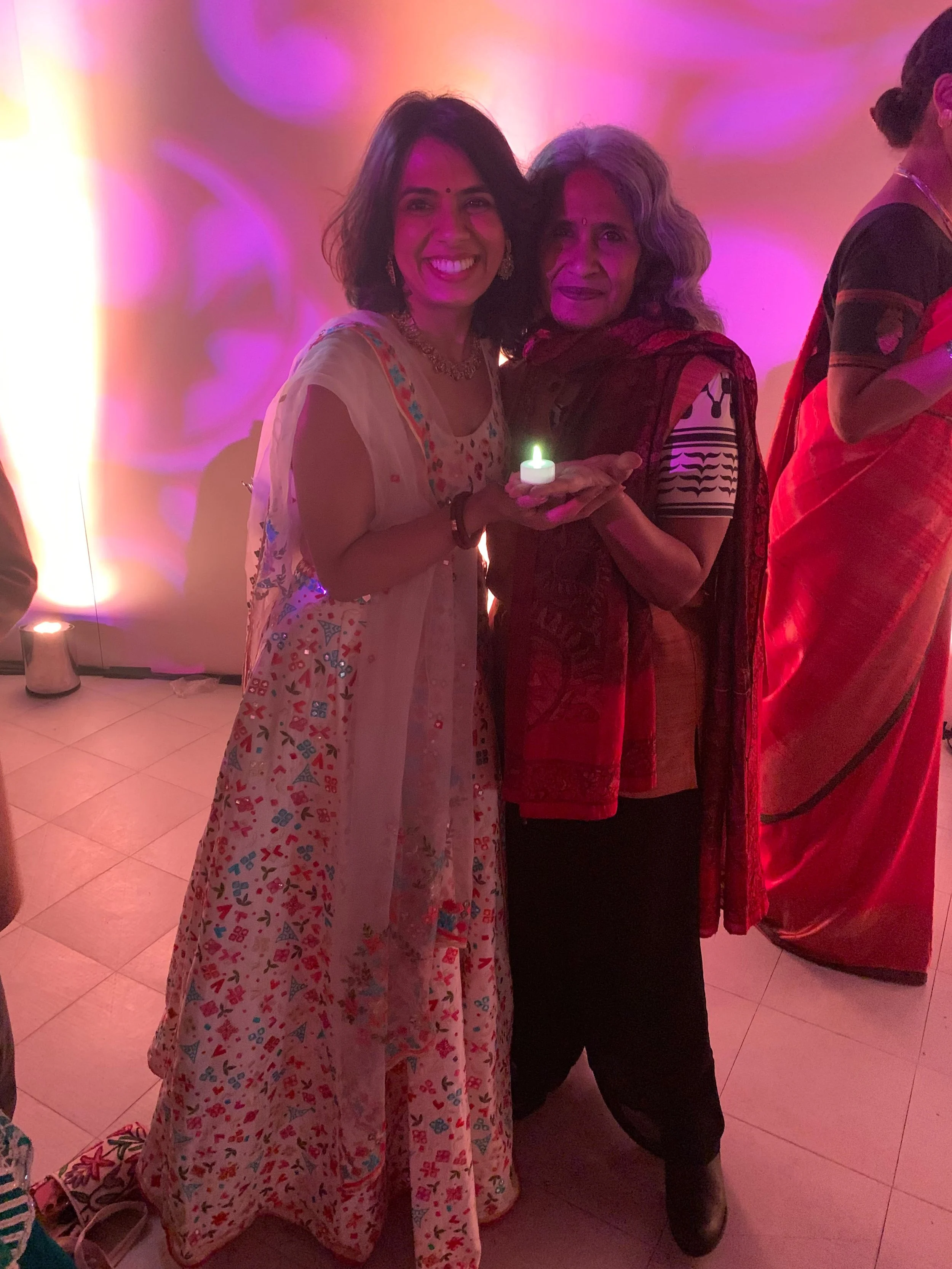
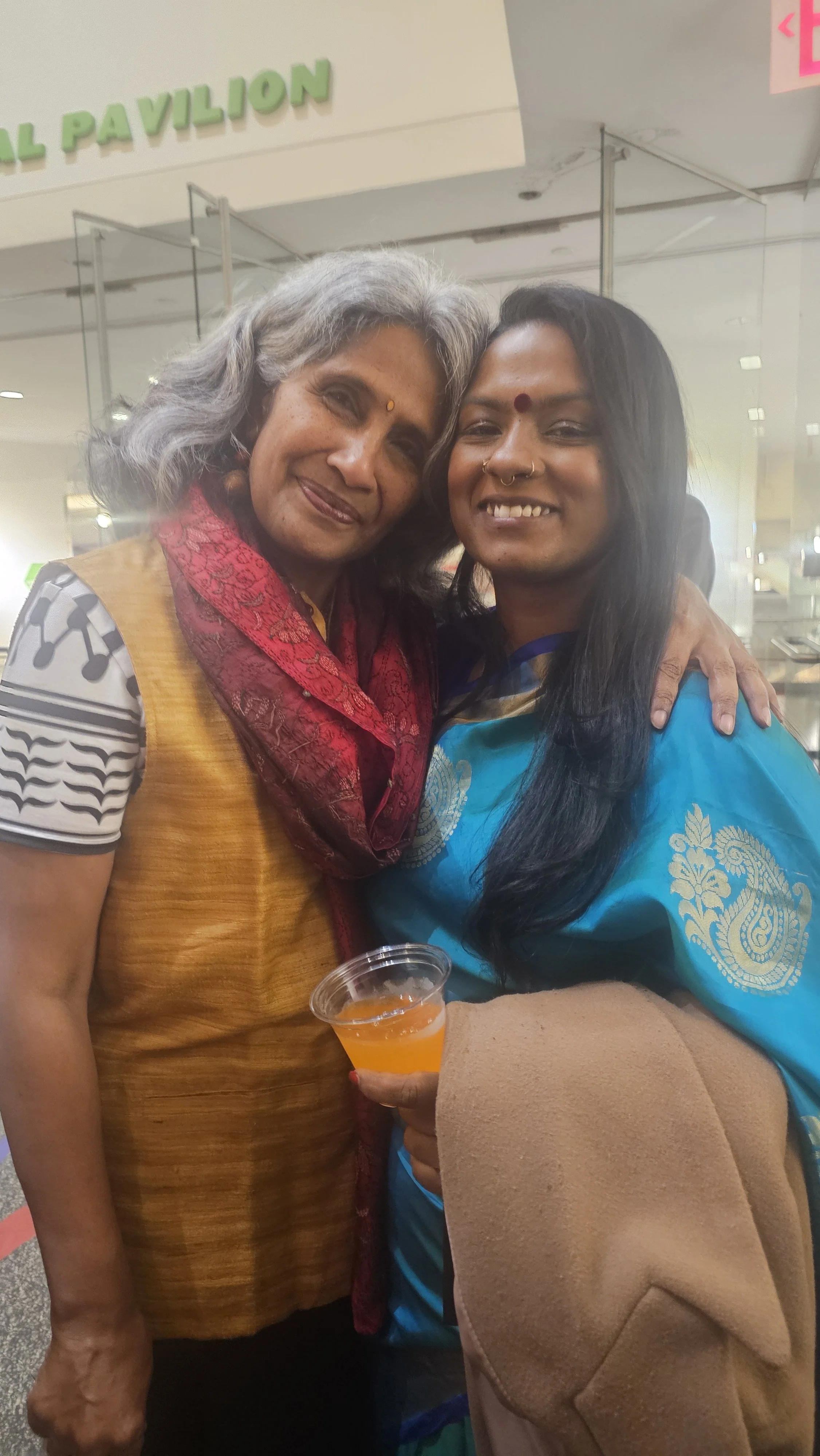
Hindus for Human Rights was thriled o be represented at the celebration, which offered a powerful reminder that Hindu identity is neither politically uniform nor confined to a single interpretation of faith. Instead, the evening reflected the richness of Hindu traditions and their long histories of philosophical diversity, ethical reflection, and coexistence with other religious communities. What stood out was how consistently the speakers returned to a shared understanding of Diwali's meaning: light as an expression of justice, compassion, knowledge and solidarity. These were themes deeply familiar to progressive Hindus who see their faith as a source of inspiration for challenging caste discrimination, religious nationalism, racism and exclusion.
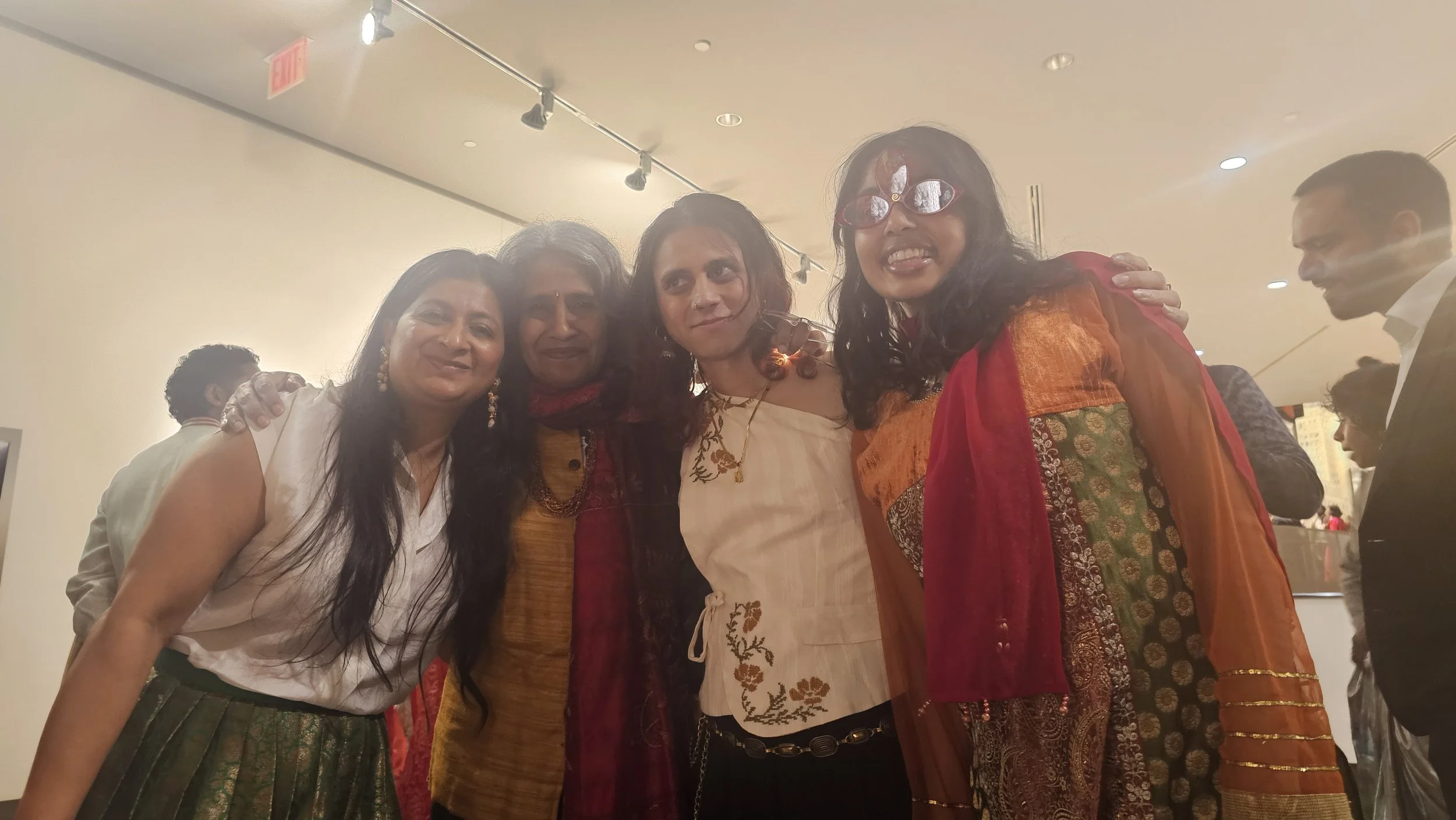
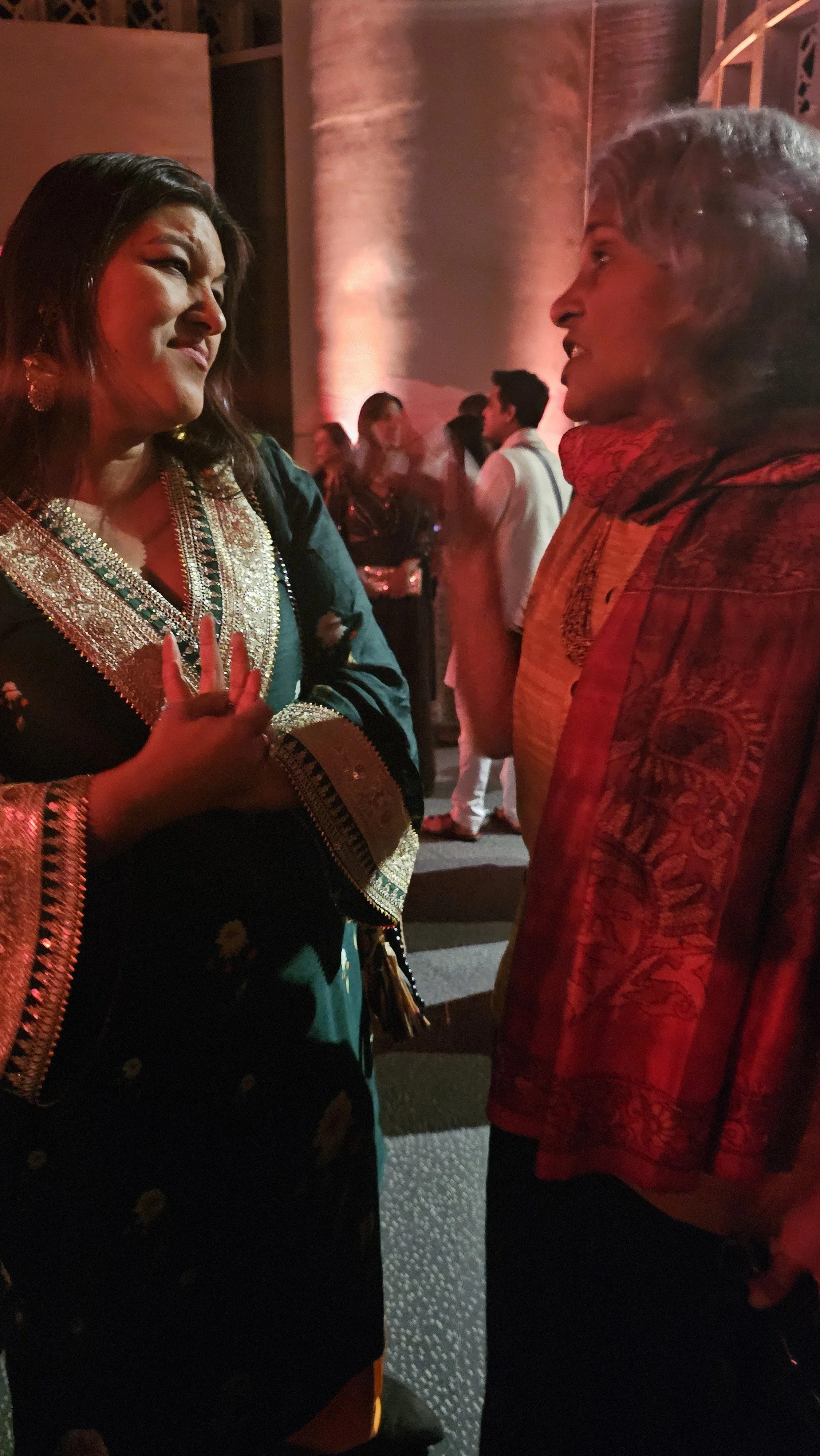
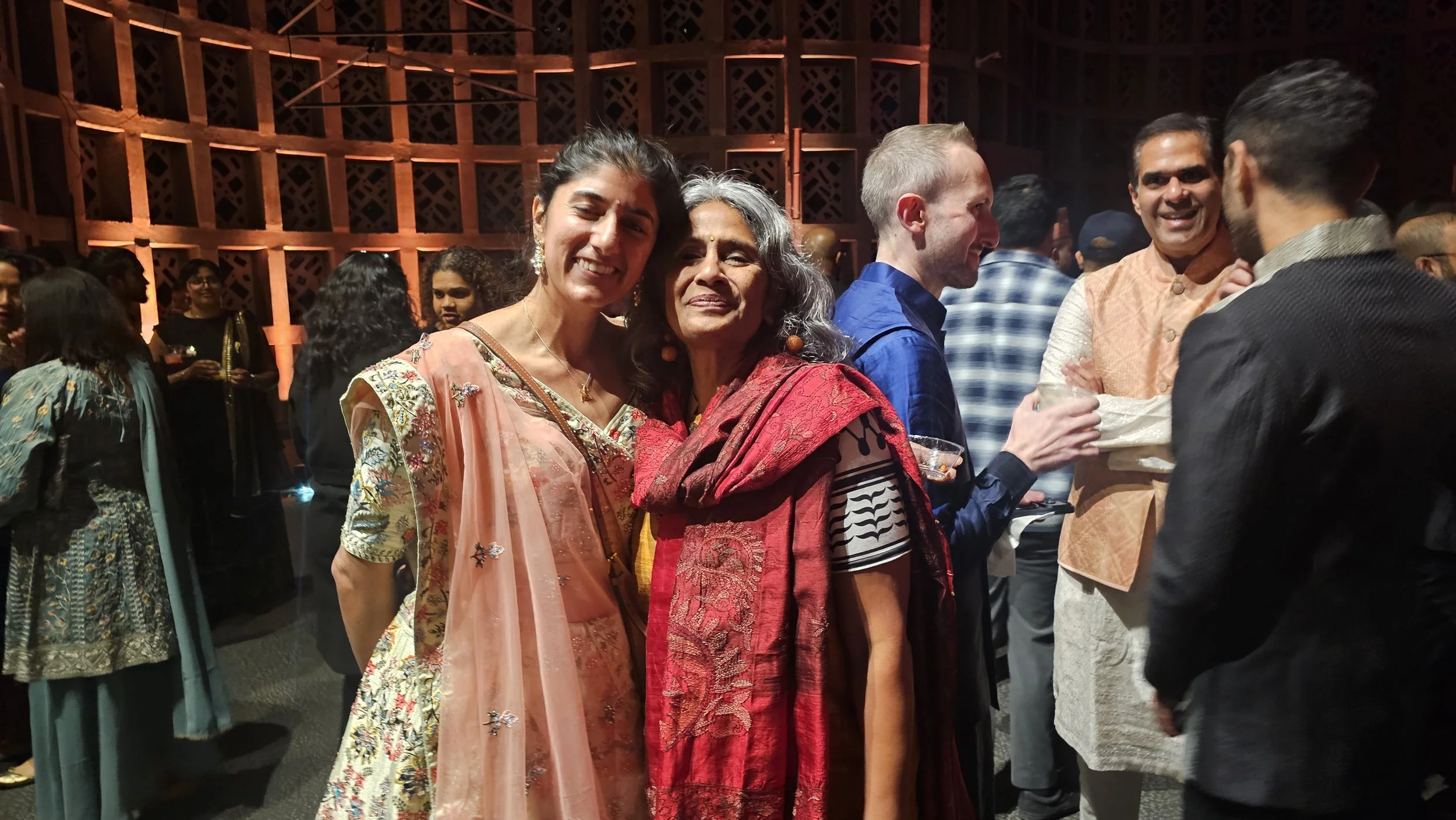
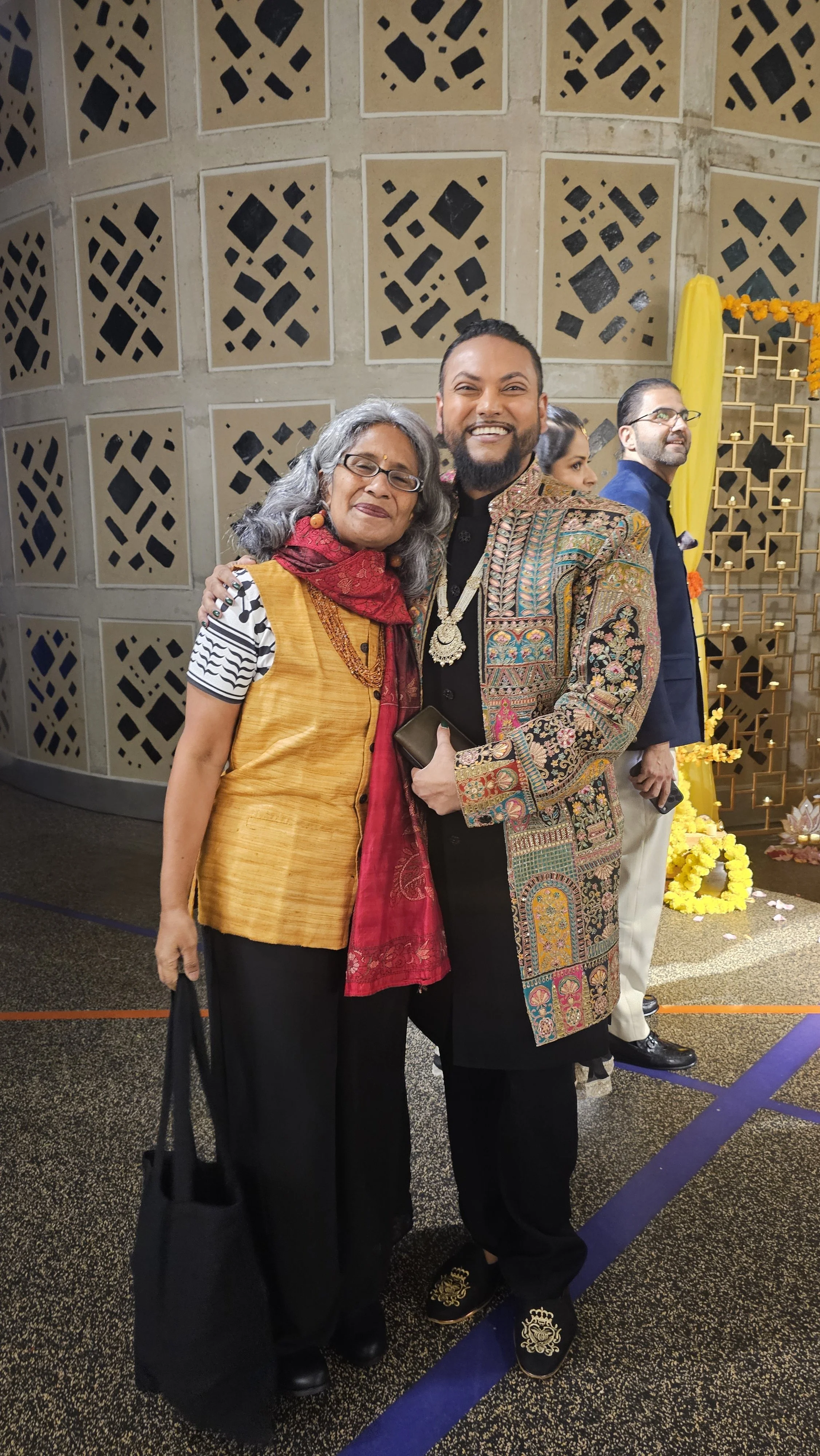
Mayor Mamdani: A Politics of Light
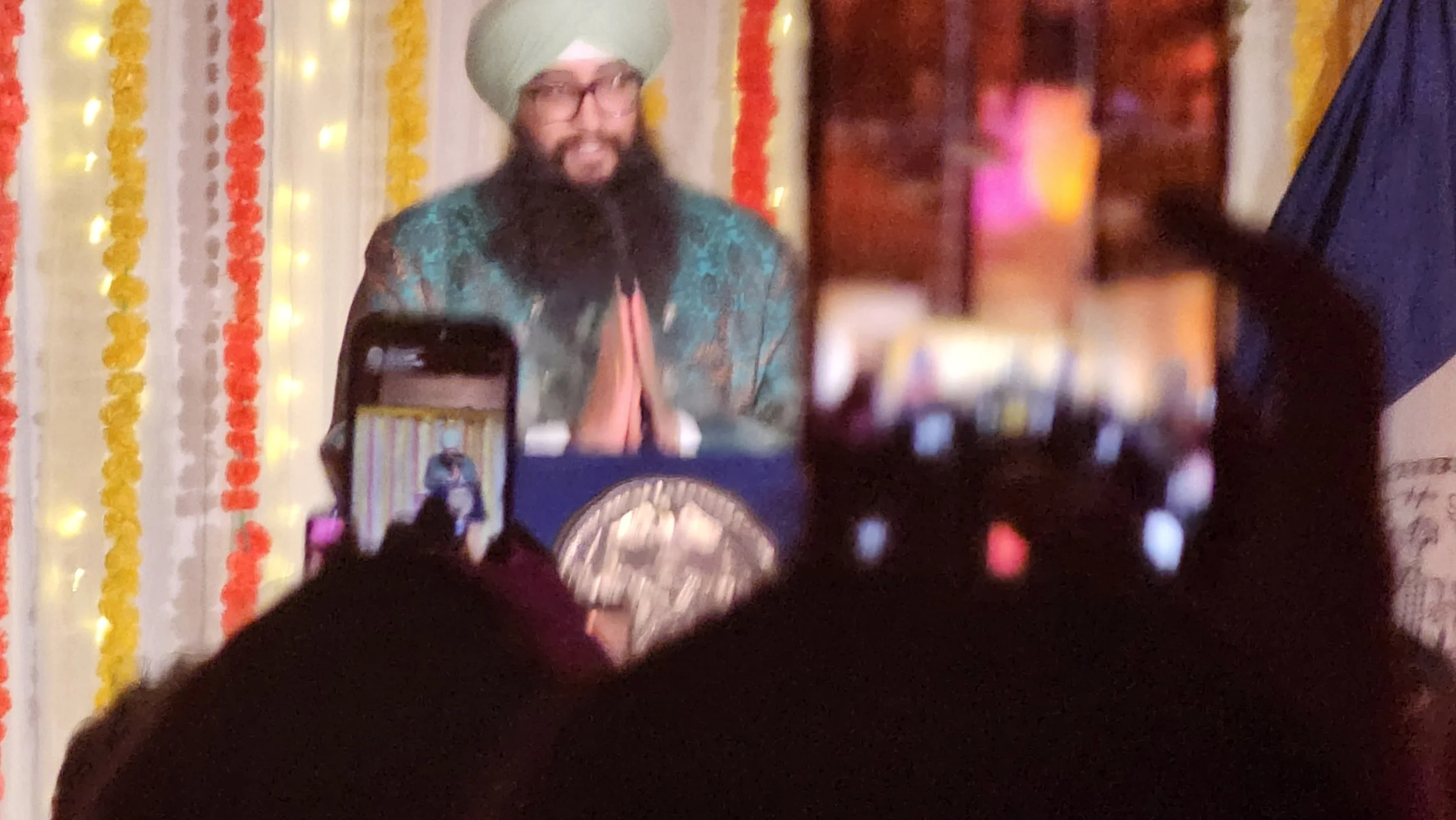
Mayor Mamdani's remarks placed Hindu traditions within the larger story of New York's extraordinary religious and cultural diversity. Reflecting on his own upbringing as the son of a Punjabi Sikh mother and a Gujarati Ugandan Muslim father, Mamdani described a childhood shaped by the overlapping histories and traditions of South Asia.
"I grew up knowing that our shared heritage was never a single language, faith, or affiliation," he told the gathering.
He spoke warmly of the beauty and wisdom of Hinduism, describing its many gods, stories and regional interpretations, and its philosophical recognition that truth can be approached through different paths. For Mamdani, these ideas were inseparable from the responsibilities of public life.
"Yet this Diwali, I'm reminded, too, how much work there is still to be done to create a politics of light."
The phrase captured an important theme of the celebration. Religious traditions can contribute to public life through the ethical commitments they inspire, rather than through demands for political or cultural dominance. For Hindu Americans who reject the conflation of Hindu identity with Hindu nationalism, the mayor's remarks offered a welcome recognition of the pluralism that has long been central to Hindu thought and practice.
Shonita Joshi: From Diwali's Spiritual Meaning to Public Service
Shonita Joshi of the Mayor's Office of Mass Engagement brought another important perspective to the celebration, connecting Diwali's traditional symbolism with the practical work of making city government accessible and responsive to its residents. Reflecting on growing up in Pune, Joshi recalled the familiar experiences of Diwali: gathering with family, sharing sweets, lighting lamps and celebrating with neighbors. She described the festival's enduring themes as the victory of good over evil, knowledge over ignorance, and inner light over spiritual darkness.
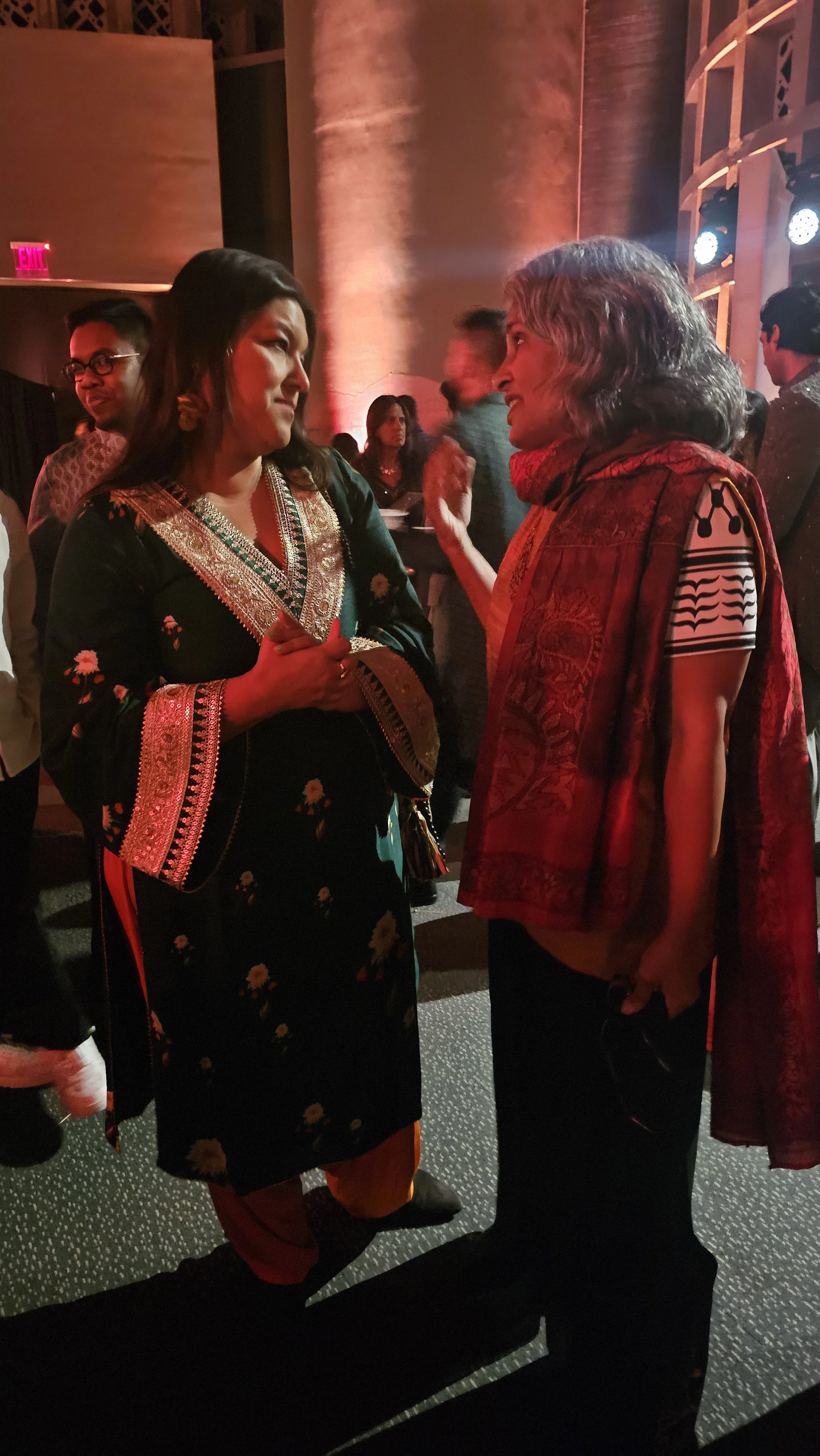
Joshi then drew a thoughtful connection between those values and the work of the Office of Mass Engagement, which seeks to make city government more transparent, accessible and connected to New Yorkers. Her remarks illustrated that the values celebrated during religious festivals can find meaningful expression in everyday civic responsibilities. Joshi is a friend and chapter member of Hindus for Human Rights, and it was wonderful to see her helping bring these values into the city's celebration.
Aminta Kilawan: Indo-Caribbean Histories and the Meaning of Solidarity
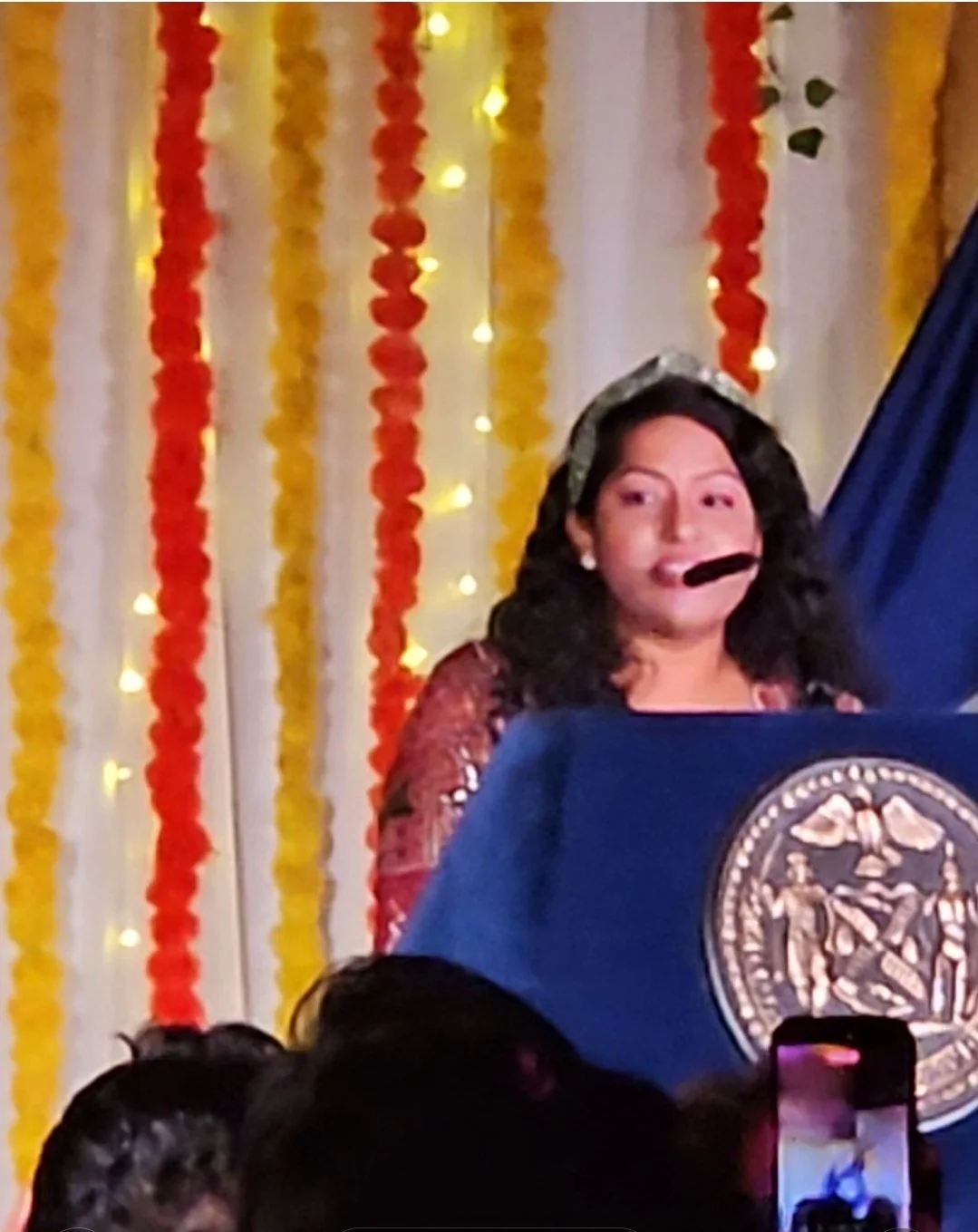
The celebration also recognized the indispensable role of Indo-Caribbean communities in shaping Hindu life and culture in New York. Aminta Kilawan, a lawyer, community organizer, co-founder of Sadhana: Coalition of Progressive Hindus, and founder of the South Queens Women's March, introduced Mayor Mamdani with remarks connecting Diwali to immigrant rights, religious inclusion and community solidarity.
Speaking as a Hindu, a working mother and the first-generation daughter of immigrants from Guyana, Kilawan-Narine brought an important perspective to the gathering. Her presence reflected the distinctive history of Hindu communities in New York, including the generations of Indo-Caribbean families whose religious and cultural traditions have become integral to the city's identity. It also underscored the contributions of progressive Hindu organizing to broader struggles for justice. A longtime friend and ally of HfHR, Kilawan-Narine represents an understanding of Hindu identity that is rooted in community service, solidarity and the willingness to challenge injustice within and beyond our own communities.
A Diwali That Belongs to Everyone
One of the most encouraging aspects of the celebration was the ease with which speakers moved between Hindu teachings, Muslim and Sikh family histories, Indo-Caribbean traditions, immigrant experiences and the shared responsibilities of New Yorkers. These connections were not treated as contradictions to be resolved. They were celebrated as part of the city's cultural and spiritual life. This matters at a time when religious identity is increasingly mobilized for political division, including within sections of the South Asian diaspora. Diwali is often described as the triumph of light over darkness. But the evening's most compelling message was that this triumph is not simply something to commemorate. It is something we must continually work toward. A politics of light asks what our spiritual and civic commitments mean in practice. How do we respond to hatred? How do we protect our neighbors? How do we ensure that religious identity becomes a source of generosity rather than exclusion? Mayor Mamdani's celebration brought these questions into a public space where Hindu Americans, other South Asian communities and New Yorkers of many backgrounds could recognize something of themselves.
The celebration offered a hopeful reminder that the future of Hindu American identity is being shaped by people who embrace pluralism, challenge injustice and understand solidarity as an expression of faith.
Diwali's light belongs to everyone. The work of keeping it alive belongs to all of us.
Hindus for Human Rights thanks Mayor Zohran Kwame Mamdani, the Mayor's Office of Mass Engagement, and the many community leaders, organizers and participants who helped make this celebration possible.