
Reverend Manish Mishra-Marzetti is a member, friend and advisor of Hindus for Human Rights and the senior minister of the First Unitarian Universalist Congregation of Ann Arbor, Michigan. — he is currently traveling with Unitarian Universalists for Justice in the Middle East’s clergy human rights delegation in Palestine/Israel and sharing his insights from his travels
Tuesday, January 13 - Visions of Plurality at the Steps of Al-Aqsa
I love being here, and it is hard being here. This is what I can say about Jerusalem. Jerusalem poignantly reminds me of my ancestral hometown of Lucknow, India: there is profound beauty and potential around every corner, and the city’s lived reality is fraught.
Lucknow, as the once Islamic cultural capital of India, is a pluralistic intersection of language, cuisine, poetry, architecture, music, and more. The food, language, and art have historically been a syncretic mix of Hindu and Muslim cultural traditions, one that I have always found deeply beautiful and inspiring. Muslims and Hindus have lived side-by-side for centuries in Lucknow, and at their best, learned from one another and thrived together.
Yet, this is not the whole story. With the rise of Hindutva (muscular and militaristic Hindu nationalism) throughout India, the local government in Lucknow is controlled by Hindu nationalist politicians, and local Muslims have to live under the political radar and with the reality of fear. Politically, Muslims are reminded at every turn that their well-being and livelihoods are precarious; they should not cause a fuss and should be grateful for whatever their current second-class citizen status brings them. It’s awful and deeply disappointing to one who loves the beauty of Lucknow’s pluralistic and syncretic traditions.
India has been much on my mind as I navigate the streets of Jerusalem, experiencing a similar pluralistic beauty and also, unfortunately, the failed realization of pluralism’s potential. It is heart-achingly disappointing, most especially as one realizes that the right seeds – the right ingredients – are all there.
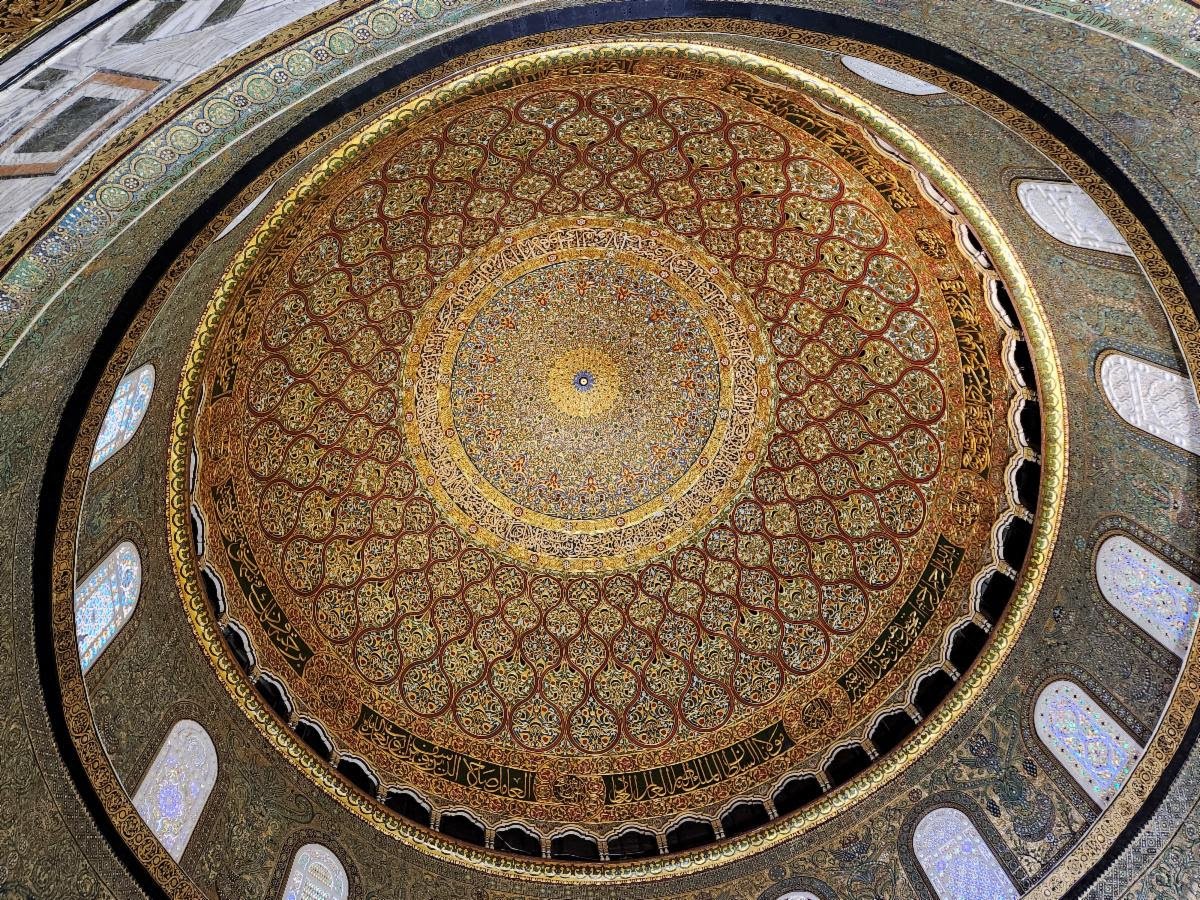
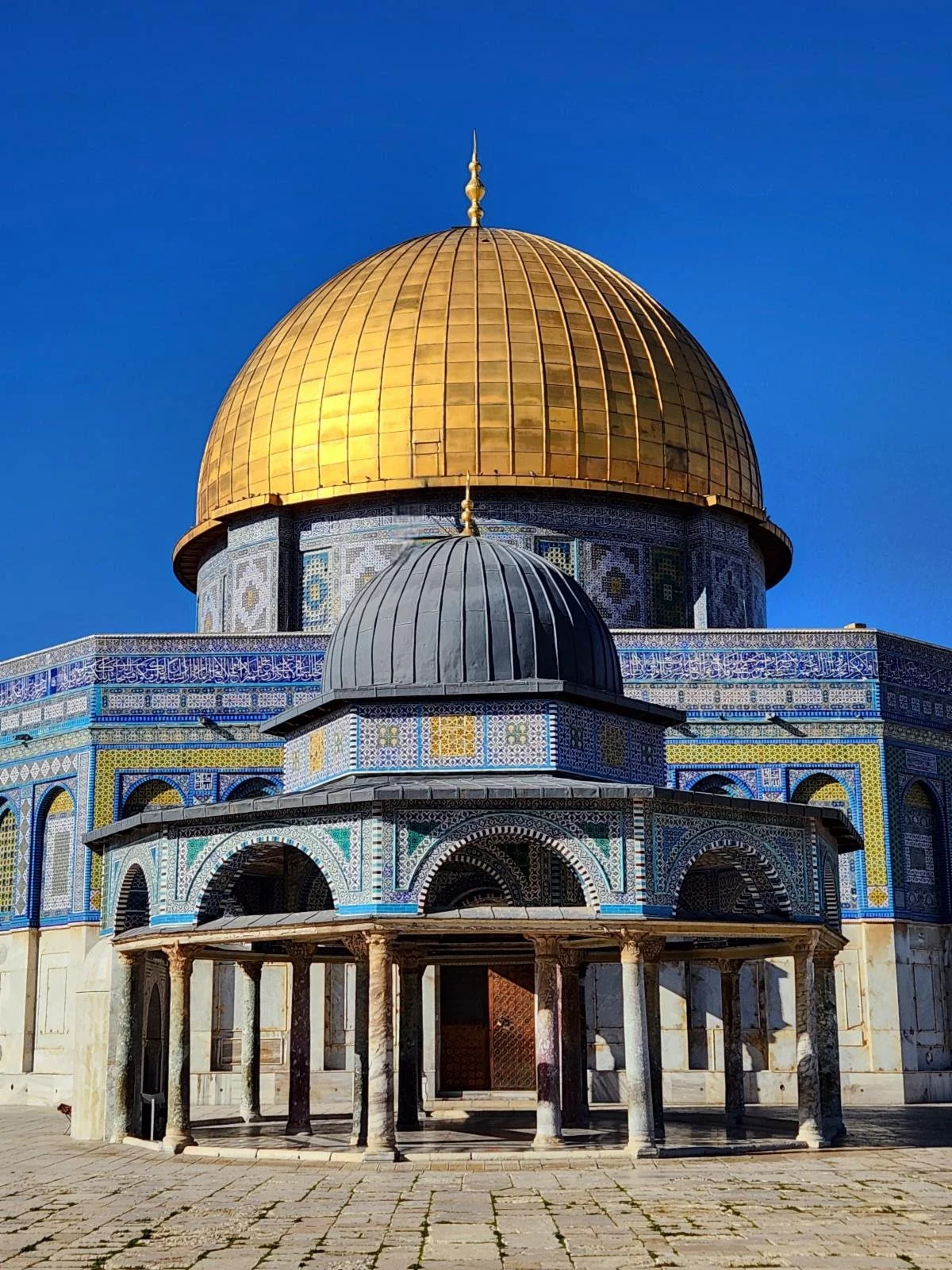
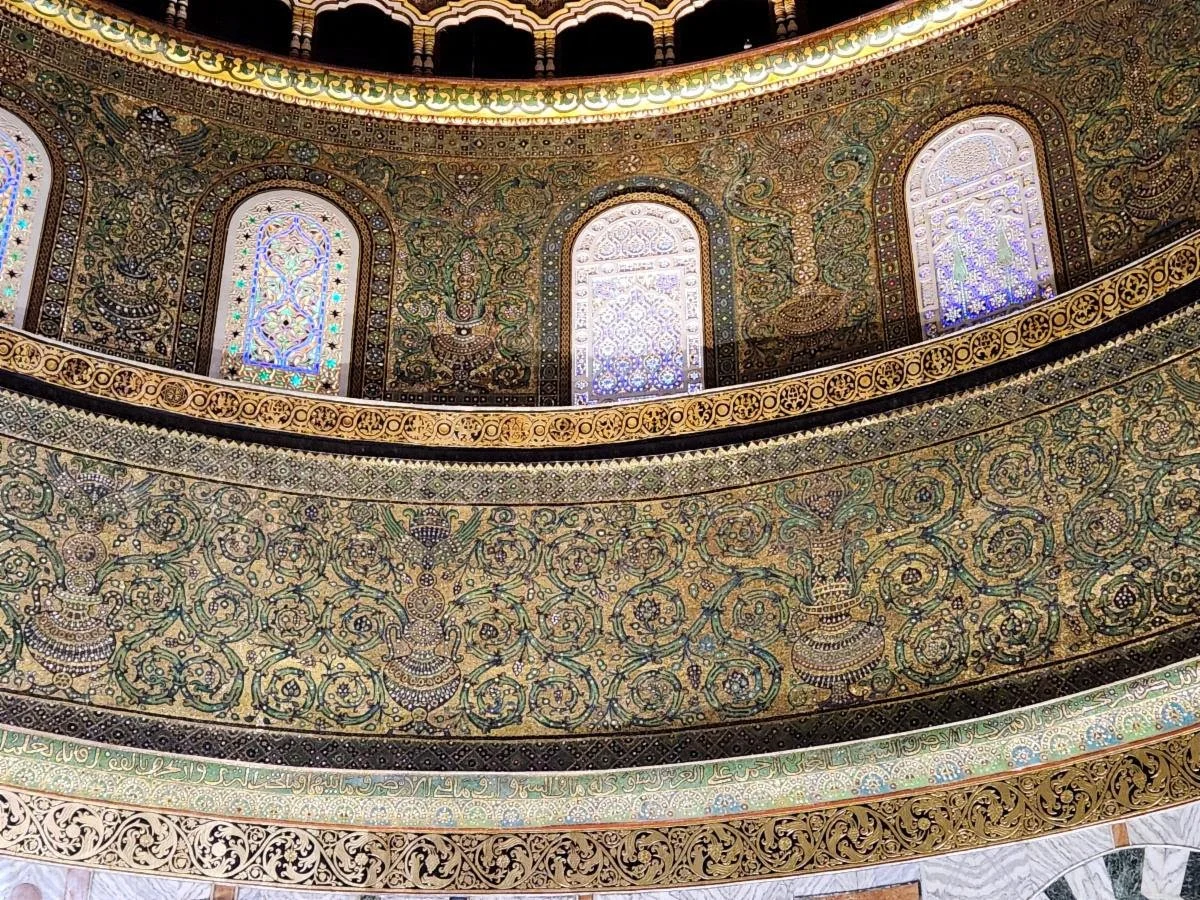
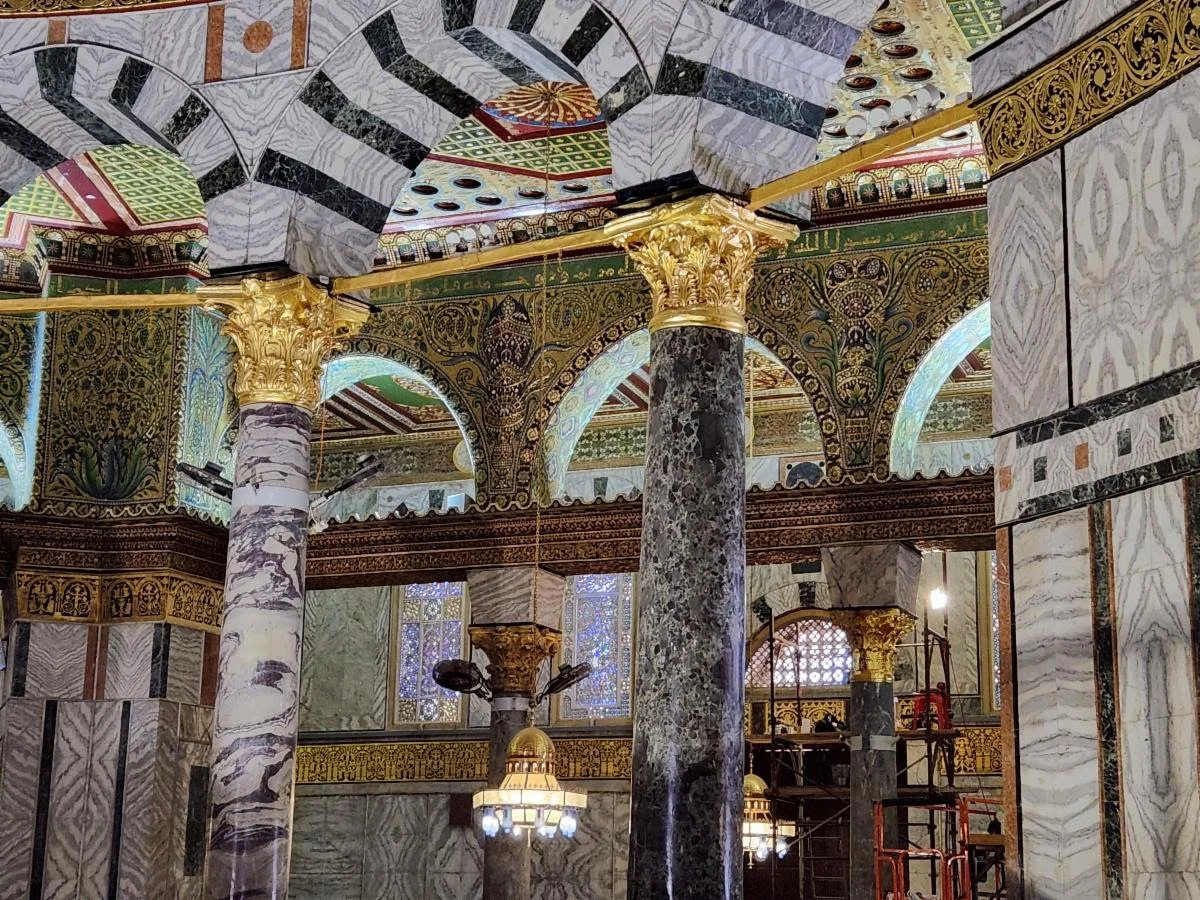
In a single day this week, our delegation visited the third-holiest site in all of Islam, the Al-Aqsa Mosque; the Church of the Holy Sepulchre, one of the holiest sites in all of Christianity, and the Western Wall, one of the holiest sites in Judaism. All of this is within easy walking distance of one another. These sites held immense physical beauty – Al Aqsa and the Church of the Holy Sepulchre are hands down the most physically beautiful mosque and church I have ever visited, and the Western Wall holds its own unadorned yet powerful beauty.
That physical beauty is complemented by the beauty of the people visiting these sites, who are devoutly engaged in prayer and reflection – individuals bringing their hopes and dreams to these unique places of pilgrimage. Muslims, Christians, and Jews are all deeply engaged in profound spiritual reflection, mere steps from one another. My pluralistic heart immediately recognized the cultural and spiritual potential in this. How powerful it would be to share these longings of the heart – to bridge difference and find commonality through our similar and parallel human yearnings!
It should be possible to do this, and yet the lived reality here is something else. The government of Israel severely restricts when and how Muslims can visit Al-Aqsa. As foreign guests, we were able to enter the mosque on our designated day, but it was relatively empty due to the stringent regulations that Muslim pilgrims are required to observe at this site. Outside and beyond the mosque, heavily armed Israeli army and IDF forces permeate Old Jerusalem, reminding all that they are being monitored and that anything untoward would be met with violence. In the Jewish Quarter, near the Western Wall, we saw signs and merchandise uplifting Donald Trump’s muscular and militaristic politics – celebrating him and the MAGA movement. I learned that similarly minded muscular and militaristic Jews hold prophetic anticipation of the future construction of the Third Temple of Jerusalem; yet, realizing this vision by necessity would require the razing of Al-Aqsa Mosque to build the Third Temple on that same site.
A local Jesuit priest who grew up in apartheid South Africa described the lived energies of Jerusalem as “dark” (heavy, fraught); he shared that an environment in which the kind of pluralistic inter-religious engagement that I cherish is virtually absent.
Still, I believe. I know in my heart that we can find commonality and that our differences can be a source of beauty and strength. I know this because I have experienced it. It is possible, even today, to hold a higher and deeper vision of our shared humanity – one that refutes and transmutes the fear and hatred-based nationalisms and fundamentalisms that would have us lunging at one another’s throats. We can do better.
Beauty and possibility remain our pluralistic calling.
May we hold that prophetic vision together.
With much love, Rev. Manish
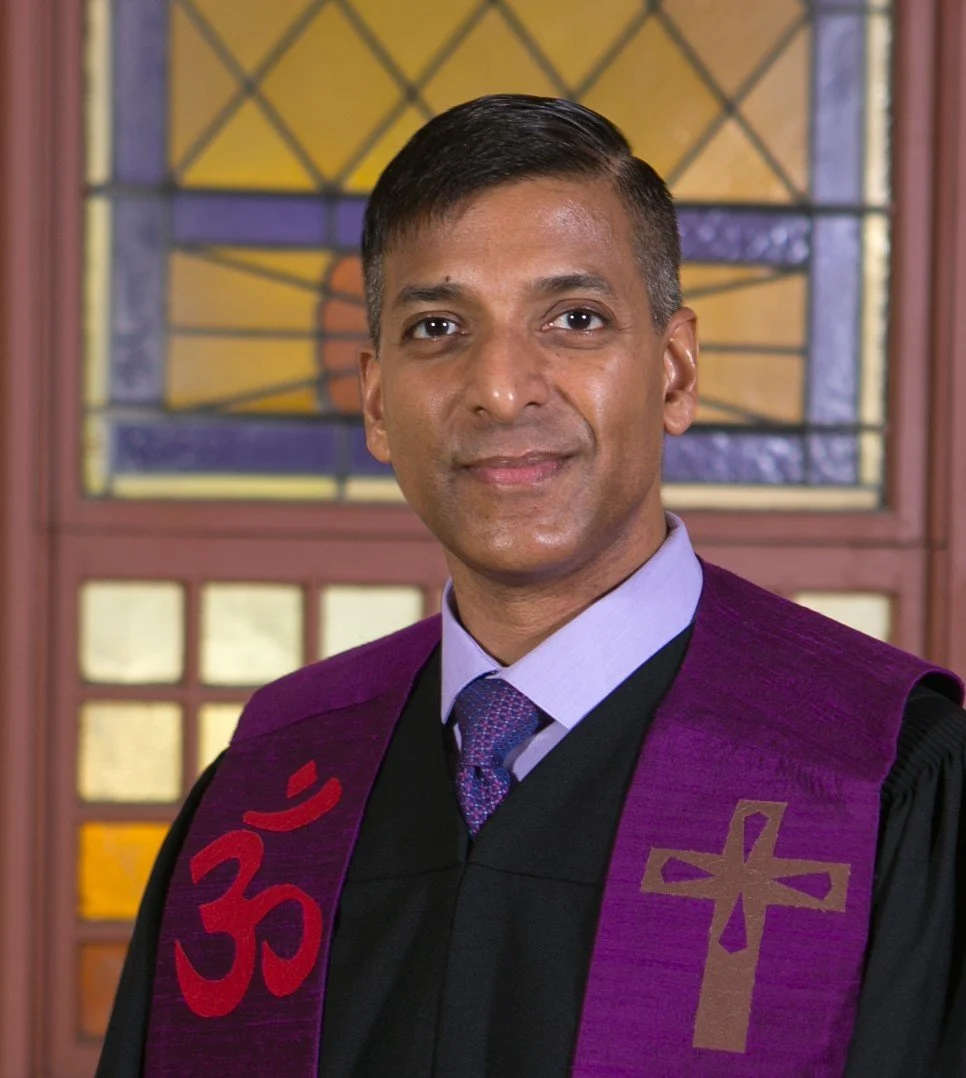
Rev. Manish Mishra-Marzetti (he/him) serves as senior minister of the First Unitarian Universalist Congregation of Ann Arbor, Michigan. He is the co-editor of Seeds of a New Way: Nurturing Authentic & Diverse Religious Leadership (2024), Conversations with the Sacred: A Collection of Prayers (2020), and the 2018-2019 UUA common read, Justice on Earth: People of Faith Working at the Intersections of Race, Class, and the Environment. He has served extensively in Unitarian Universalist leadership, including as co-chair of the Unitarian Universalist Service Committee (UUSC) Board of Trustees, a member of the UUA Board of Trustees, president of the Diverse and Revolutionary Unitarian Universalist Multicultural Ministries (DRUUMM), commissioner on the UUA Commission on Appraisal, secretary of the board of Starr King School for the Ministry, and as an author and advocate of the 2007 General Assembly resolution confronting gender identity-related discrimination. He brings to the ministry his multicultural experience serving as a U.S. diplomat during the Clinton administration.