
Chaitra Navratri: Nine Nights of Renewal, Strength, and Reflection
Chaitra Navratri marks the beginning of a sacred cycle in the Hindu calendar—nine nights dedicated to reflection, devotion, and the many forms of the divine feminine.
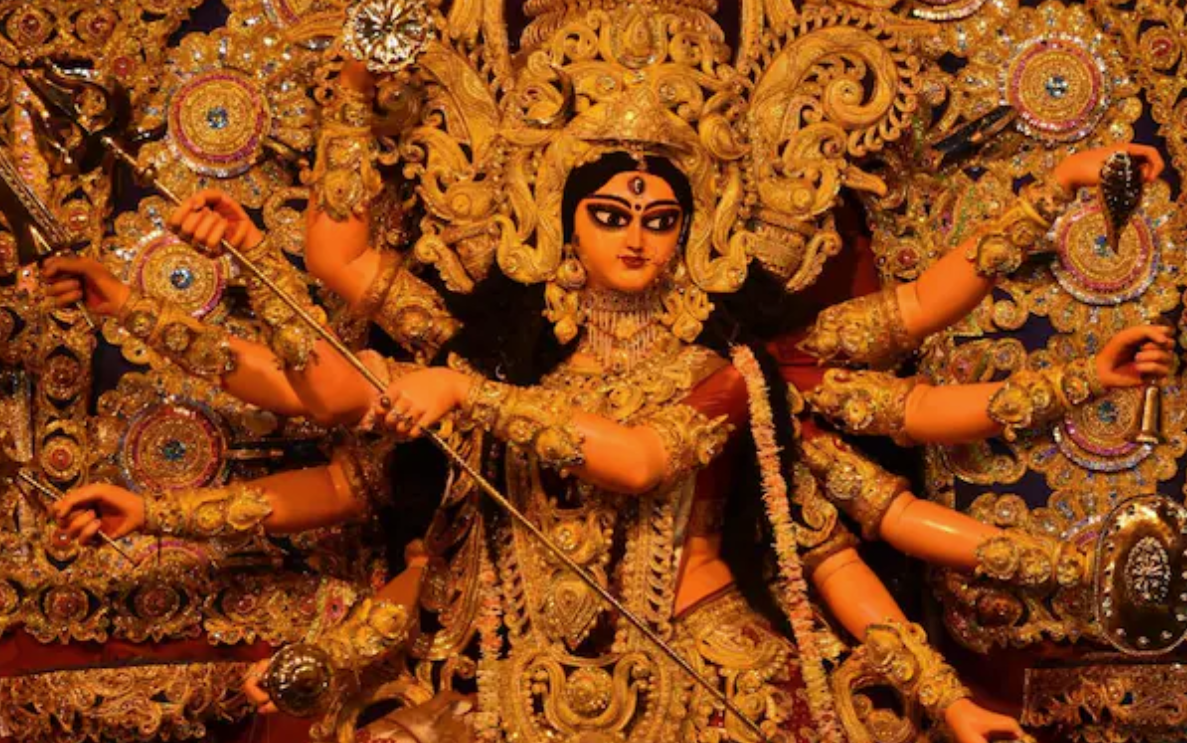
Goddess Durga
Observed at the onset of spring, usually in March or April, it coincides with a broader moment of seasonal and spiritual transition. The word Navratri means “nine nights,” and during this time, many people honor different manifestations of the goddess, often associated with strength, protection, wisdom, and compassion.
Across regions and traditions, practices vary. Some observe fasting, others participate in prayer, storytelling, or community gatherings. Homes and temples may be decorated, and each day may be associated with a different form of the goddess, reflecting distinct qualities and energies.
Chaitra Navratri is often quieter than the more widely known Sharad Navratri in the fall, but it carries a similar depth. It is not only a festival of worship, but one of attention—an invitation to consider what strength means in a given moment.
The divine feminine, as honored during Navratri, is not singular. It encompasses creation and destruction, care and resistance, gentleness and fierce protection. This plurality resists simple definitions. It suggests that strength is not one thing—it is relational, contextual, and deeply human.
In that sense, Chaitra Navratri offers a way of thinking about power that feels particularly relevant today. It asks us to consider not only how we act, but how we care. Not only how we endure, but how we protect one another.
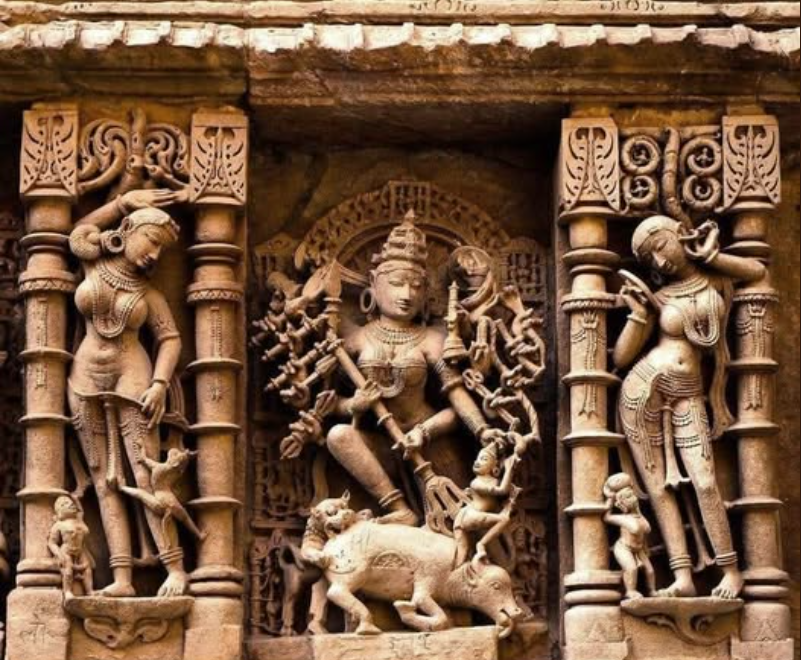
Maa Durga
The rhythm of the nine days also reflects a process. It is not about immediate transformation, but gradual attention—returning, again and again, to questions of balance, responsibility, and connection.
As with many seasonal festivals, Chaitra Navratri is tied to cycles beyond ourselves. It marks a turning point in the year, but also a chance to realign—with community, with values, and with the kind of world we are participating in shaping.
At its core, Chaitra Navratri is not only about devotion. It is about how we understand strength—and how we choose to embody it.
Chaitra Navratri FAQ
What is Chaitra Navratri?
Chaitra Navratri is a nine-day Hindu festival dedicated to honoring different forms of the divine feminine. It is observed at the beginning of the Hindu lunar year, usually in March or April.
When is Chaitra Navratri celebrated?
Chaitra Navratri takes place in the month of Chaitra, marking the start of the Hindu New Year in many traditions. Dates vary each year based on the lunar calendar.
What does Navratri mean?
“Navratri” comes from Sanskrit: nav (nine) and ratri (nights), meaning “nine nights.”
Why is Chaitra Navratri important?
Chaitra Navratri is a time of reflection, renewal, and devotion. It invites people to consider different forms of strength—spiritual, emotional, and collective—while marking a seasonal and symbolic beginning.

The seventh day of Chaitra Navaratri is dedicated to Goddess Kalaratri, the fiercest and most powerful form of Goddess Durga. She represents the destruction of darkness, ignorance, and negativity.
What are the nine days of Navratri about?
Each of the nine days is associated with a different form of the goddess, often representing qualities such as courage, wisdom, compassion, and protection. Together, they reflect a wide understanding of what strength can be.
How is Chaitra Navratri celebrated?
Celebrations vary widely but may include fasting, prayer, temple visits, reading sacred texts, and community gatherings. Some people also observe rituals at home or dedicate time to reflection.
What is the difference between Chaitra Navratri and Sharad Navratri?
Chaitra Navratri takes place in the spring and is often more understated, while Sharad Navratri in the fall is more widely celebrated with large public events. Both honor the divine feminine and share similar themes.
What is the deeper meaning of Chaitra Navratri?
Chaitra Navratri encourages a broader understanding of strength—one that includes care, protection, resilience, and balance. It reflects the idea that power is not singular, but expressed in many forms.
Can Chaitra Navratri be meaningful today?
Yes. Its themes—renewal, reflection, and honoring different forms of strength—resonate in contemporary life. It offers space to think about how we show up for ourselves and for others.
How is Chaitra Navratri observed in the diaspora?
In diaspora communities, Chaitra Navratri may be observed through temple events, home rituals, virtual gatherings, and shared cultural practices. It can also be a way to stay connected to tradition while navigating new contexts.
What is Chaitra Navratri in simple terms?
Chaitra Navratri is a nine-day Hindu festival honoring the goddess and marking the start of the new year in many traditions.
Why are there nine days of Navratri?
Each day represents a different form of the goddess and a different aspect of strength and energy.