
Gudi Padwa: New Beginnings, Renewal, and the Meaning of the Maharashtrian New Year
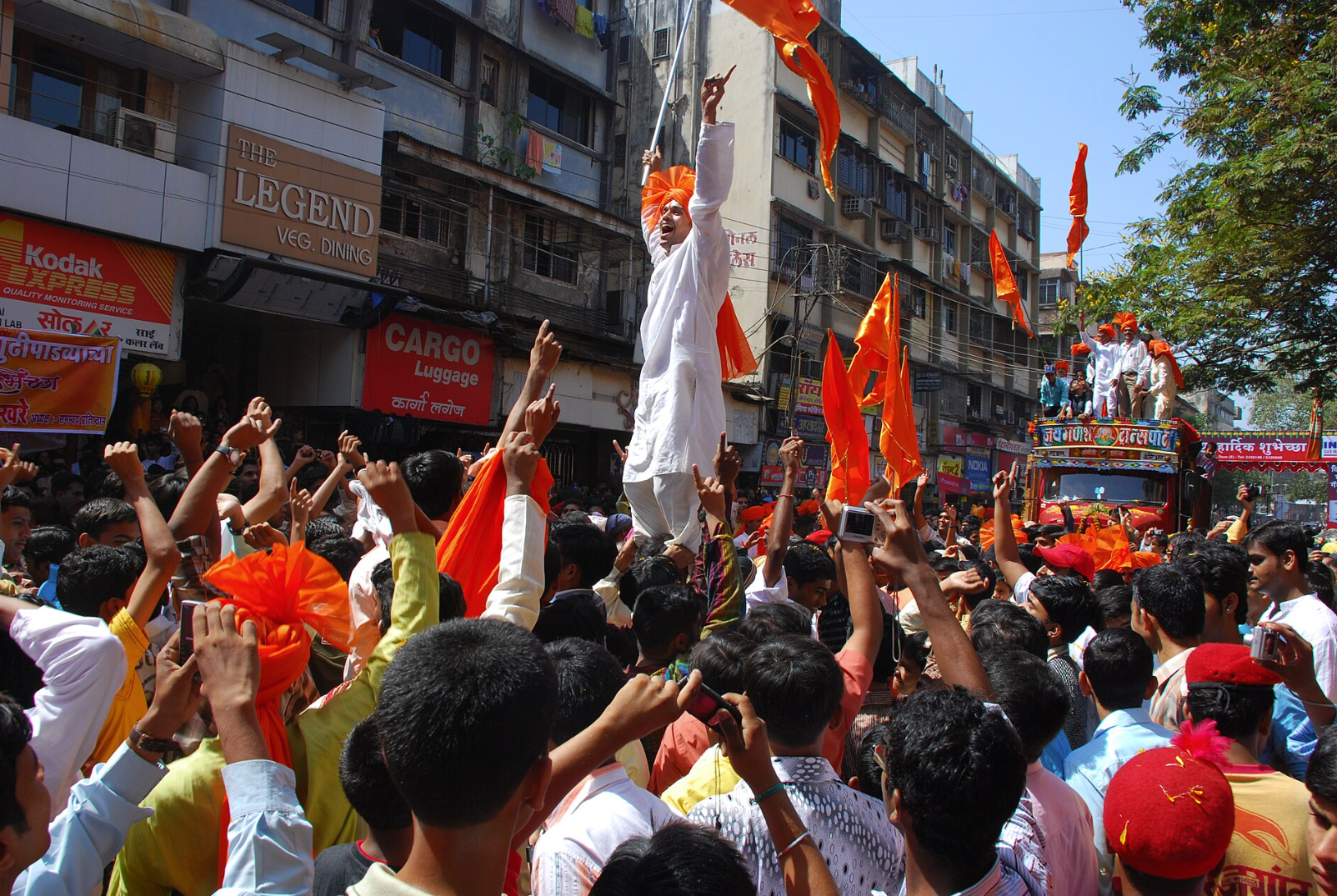
A Gudi Padwa new year festive procession in Maharashtra
Gudi Padwa marks the New Year for many communities in Maharashtra and parts of western India. Celebrated at the onset of spring, it signals a shift in season, a turning of time, and the possibility of beginning again.
The festival falls on the first day of the Chaitra month in the Hindu lunisolar calendar, usually in March or April. Like many New Year observances across South Asia, it is closely tied to cycles of nature—harvests, light, and renewal.
At the center of Gudi Padwa is the gudi itself: a cloth (often bright silk) tied to a bamboo stick, adorned with neem leaves, mango leaves, and a garland, and topped with an inverted pot. Raised outside homes or from windows, the gudi is a visible marker of the new year.
It carries layered meanings. Some see it as a symbol of victory and resilience. Others understand it as a sign of prosperity, protection, and the welcoming of a new cycle of life.
Homes are cleaned and decorated, rangoli is drawn at entrances, and families gather to share festive meals. A mixture of neem and jaggery is often consumed—combining bitter and sweet—to acknowledge that life, like the new year, will hold both.
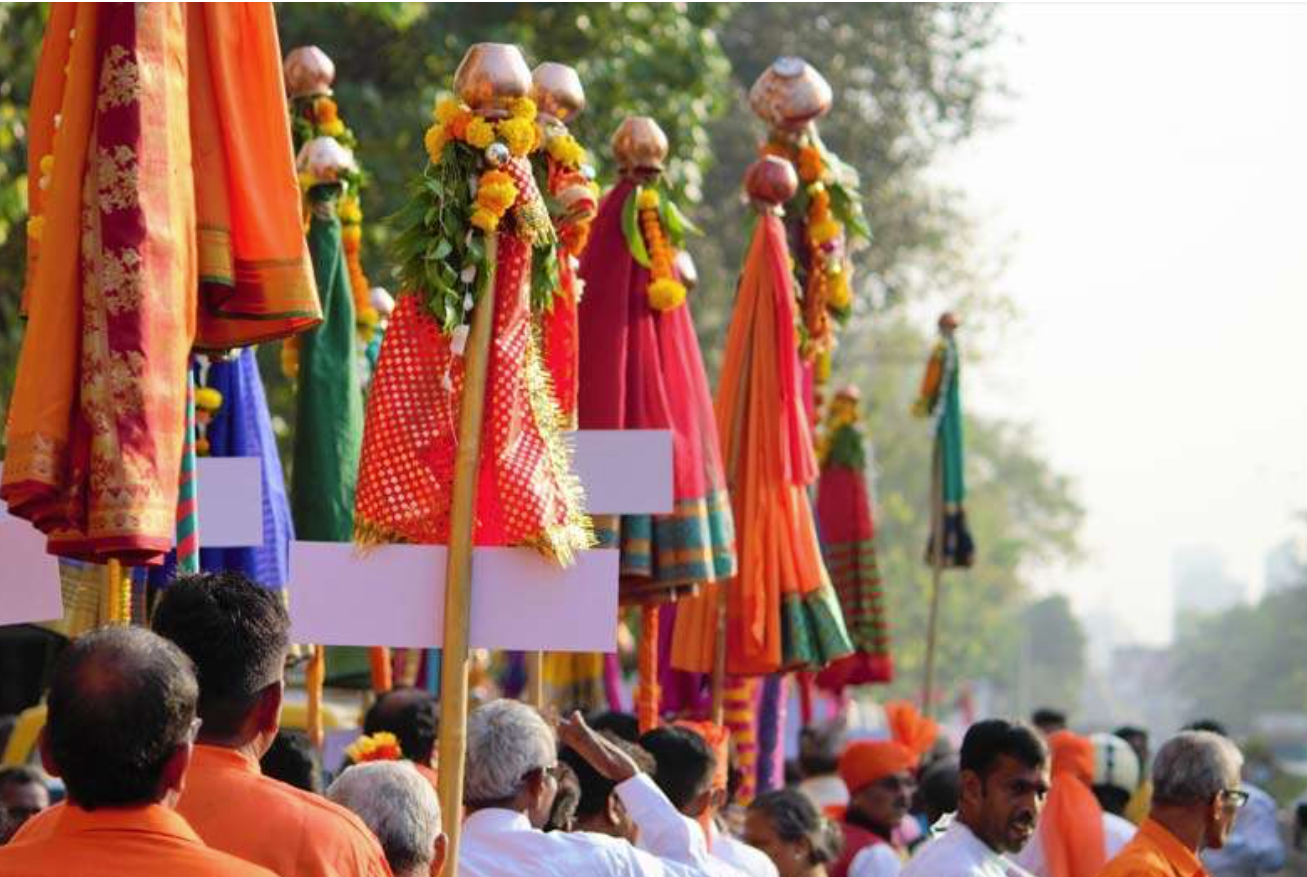
gudi dhvaja, is a piece of cloth garlanded with flowers, mango, and neem leaves, and a sugar crystal garland topped with upturned silver or copper vessels.
This balance is central to the philosophy of Gudi Padwa. It does not promise a perfect year ahead. Instead, it invites a readiness to meet what comes—with steadiness, clarity, and care.
In a broader sense, Gudi Padwa can also be read as a collective moment. New years are not only personal resets; they are opportunities to reflect on the societies we are shaping.
Across communities, questions of dignity, equity, and belonging remain urgent. What does it mean to begin again in a world marked by inequality? What do we carry forward—and what do we choose to change?
The symbolism of raising the gudi offers one possible answer. It is an act that is both private and public. It signals hope, but also presence—a statement that we are here, that we endure, and that we continue to build.
In that sense, Gudi Padwa is not just about marking time. It is about how we inhabit it.
Gudi Padwa FAQ
What is Gudi Padwa?
Gudi Padwa is the New Year festival celebrated by many Maharashtrian communities and others in western India. It marks the start of a new cycle, the arrival of spring, and a moment to welcome renewal into both home and community life.
When is Gudi Padwa celebrated?
Gudi Padwa is observed on the first day of the Chaitra month in the Hindu lunisolar calendar, usually falling in March or April.
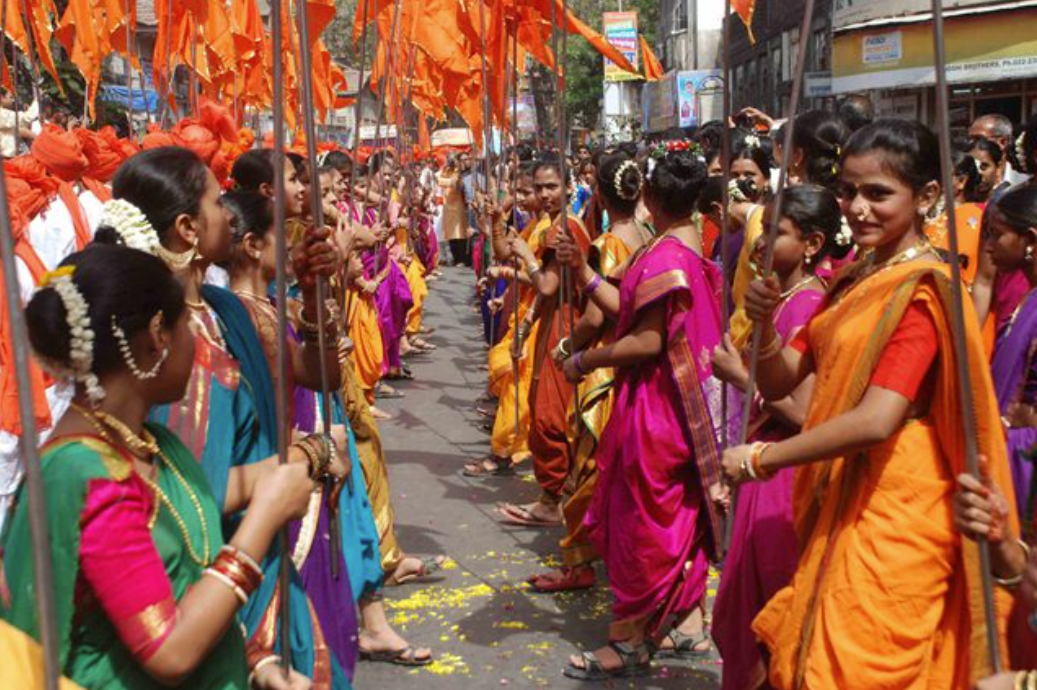
Devotees participate in a procession to celebrate Gudi Padwa, in Mumbai
What does Gudi Padwa mean?
The name combines two ideas: the gudi, a decorated standard or banner raised outside the home, and padwa, the first day of a new lunar phase. Together, they point to a beginning that is both festive and meaningful.
What is a gudi, and why is it raised?
A gudi is a bright cloth tied to a bamboo stick, often decorated with leaves, flowers, and an inverted vessel at the top. It is raised outside the home as a sign of welcome, protection, hope, and the beginning of a new year. It is also a public symbol that joy and resilience belong in the world, not just in private.
Why is Gudi Padwa important?
Gudi Padwa matters because it invites people to begin again with intention. Like many South Asian New Year festivals, it is rooted in seasonal change, but it also carries a deeper reminder: time moves in cycles, and each new year offers a chance to reflect on how we want to live with one another.
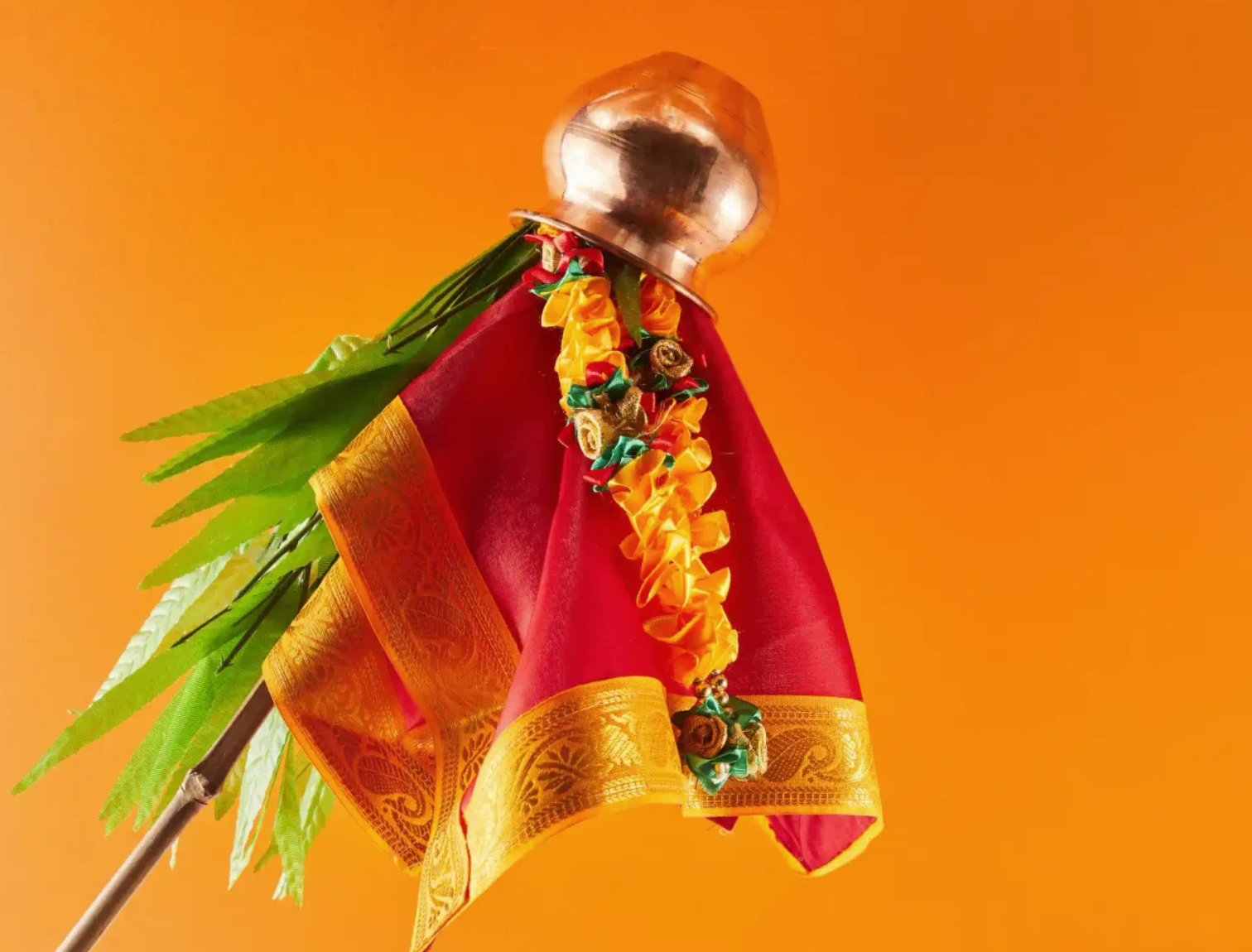
Gudi Raised High as a Symbol of Victory and Creation
How do people celebrate Gudi Padwa?
People often clean and decorate their homes, make rangoli, raise the gudi, wear new clothes, visit temples, and gather with family and friends for festive meals. The celebration is both spiritual and social, tying renewal to everyday life.
Why do people eat neem and jaggery on Gudi Padwa?
The mixture of bitter neem and sweet jaggery reflects a truth many Hindu traditions hold close: life contains many moods, many textures, and many turns. Gudi Padwa does not pretend the year ahead will be simple. It asks us to meet both sweetness and difficulty with steadiness.
What does Gudi Padwa teach us today?
Gudi Padwa offers a way of thinking about renewal that feels especially meaningful now. It reminds us that beginnings are not about forgetting what is hard. They are about carrying forward courage, care, and the willingness to keep building a more generous world.
How is Gudi Padwa different from other Hindu New Year festivals?
Gudi Padwa is especially associated with Maharashtra, while other regions celebrate New Year festivals such as Ugadi, Vishu, and Puthandu. Each has its own history and customs, but many share a reverence for seasonal change, reflection, and fresh beginnings.
Can Gudi Padwa speak to people beyond one region or community?
Yes. Even while it is rooted in particular languages, places, and traditions, Gudi Padwa carries themes that resonate widely: renewal, complexity, family, memory, and hope. It reminds us that cultural festivals can be both deeply specific and generously expansive.
What is the deeper message of Gudi Padwa?
At its heart, Gudi Padwa is about how we begin. Not with perfection, but with presence. Not by denying sorrow or conflict, but by choosing to move forward with clarity, openness, and care for the worlds we share.