
Couples Who Fought for Civil Rights Together
As the month of love — and Black History Month — comes to a close, we’re all about couples who love for their communities, civil rights, and human rights only further fueled their love for one another.
From the Kings to the Lovings, here’s four couples we admire who fought for civil rights together.
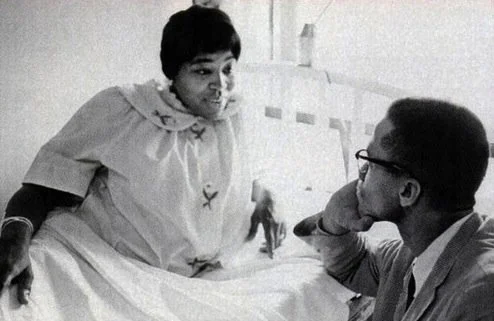
Malcolm X and
Betty Shabazz
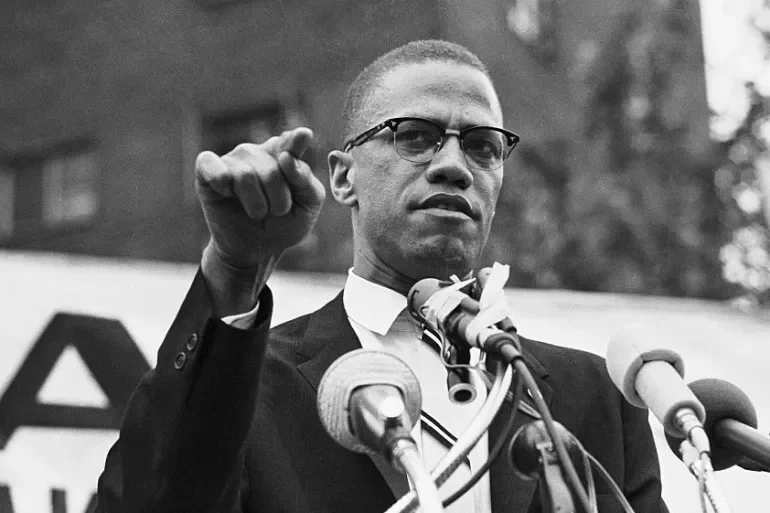
While Malcolm X is remembered as a leader in the Black Power movement – a charismatic public speaker, the head minister and national spokesperson for the Nation of Islam, and one of the most well known Black nationalists – his wife, Betty, placed a crucial yet often underrated role in the fight for Black liberation.
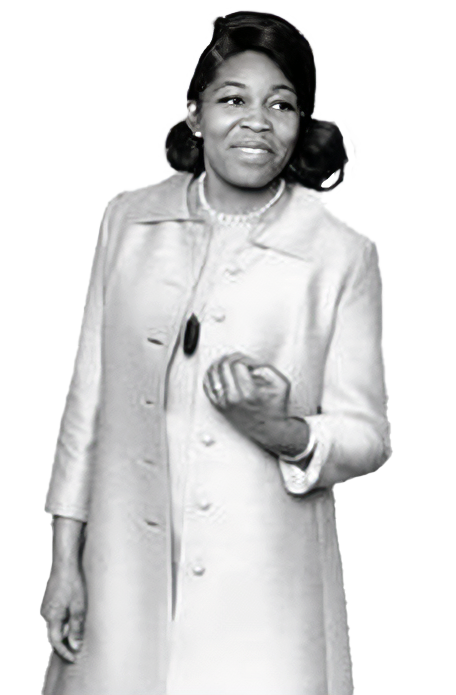
A full-time mother during her marriage to Malcolm, Betty raised six kids while fully supporting her husband’s work and protecting her family from threats and surveillance at home – from Christian nationalists, the Nation of Islam, and even the U.S. government.
While their marriage initially conformed to strict gender roles, as promoted in the Nation, Betty pushed back, encouraging her husband to open his eyes to the misogyny embedded in certain traditions and instead to view their marriage as a mutual exchange of ideas.
Following her husband’s assassination, Betty founded the Shabazz Memorial and Education Center, as well as being an active member of the NAACP, National Urban League, and The Links. Betty was an intellectual, an activist, a mother, and a dedicated community member – without her by his side, Malcolm X would not have been able to accomplish all he did.
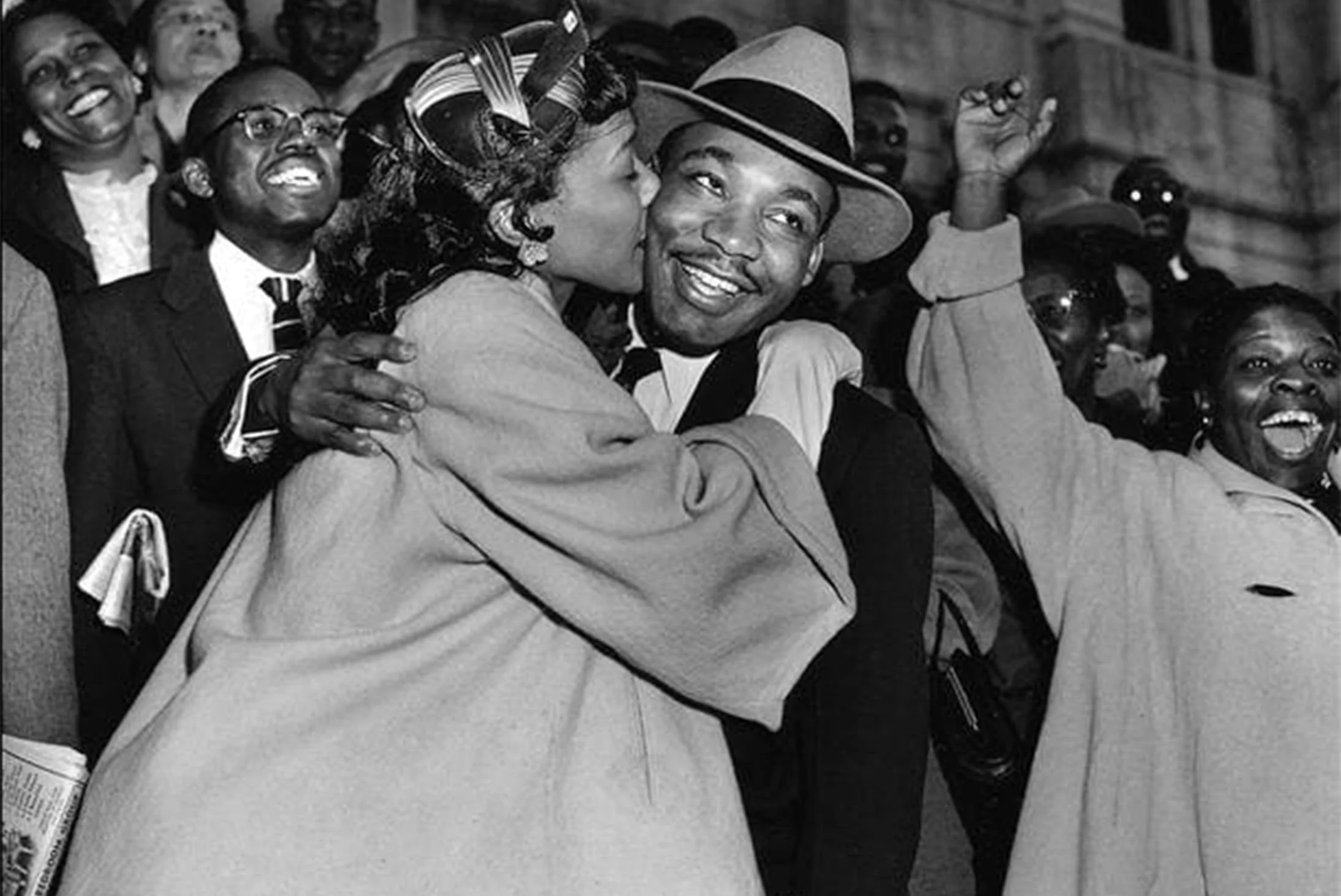
Dr. Martin Luther King Jr. and Coretta Scott King
Dr. Martin Luther King Jr. and Coretta Scott King were the it-couple of the Civil Rights Movement. MLK is an obvious icon — a recognized leader in nonviolence; the visionary behind the Montgomery Bus Boycott, the March on Washington, and countless other protests, demonstrations, and speeches.
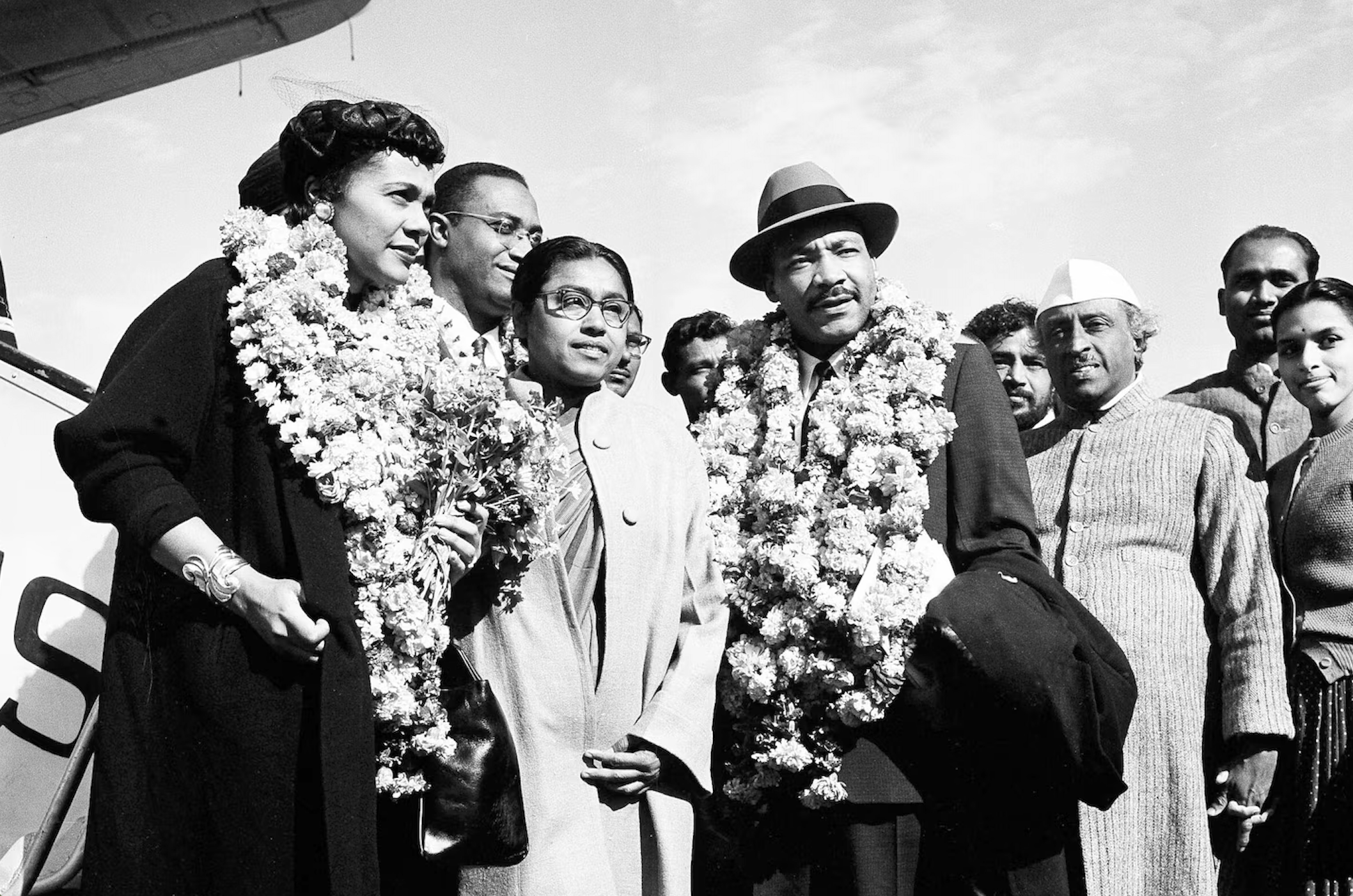
But Coretta Scott King was an equally grounded force in the fight for civil rights. Together, the Kings helped link the Black freedom struggle in the U.S. to India’s Independence movement, drawing deeply from Gandhi’s teachings on disciplined nonviolent resistance — not as a symbol, but as a strategy and moral practice that shaped MLK’s approach to Civil Rights.
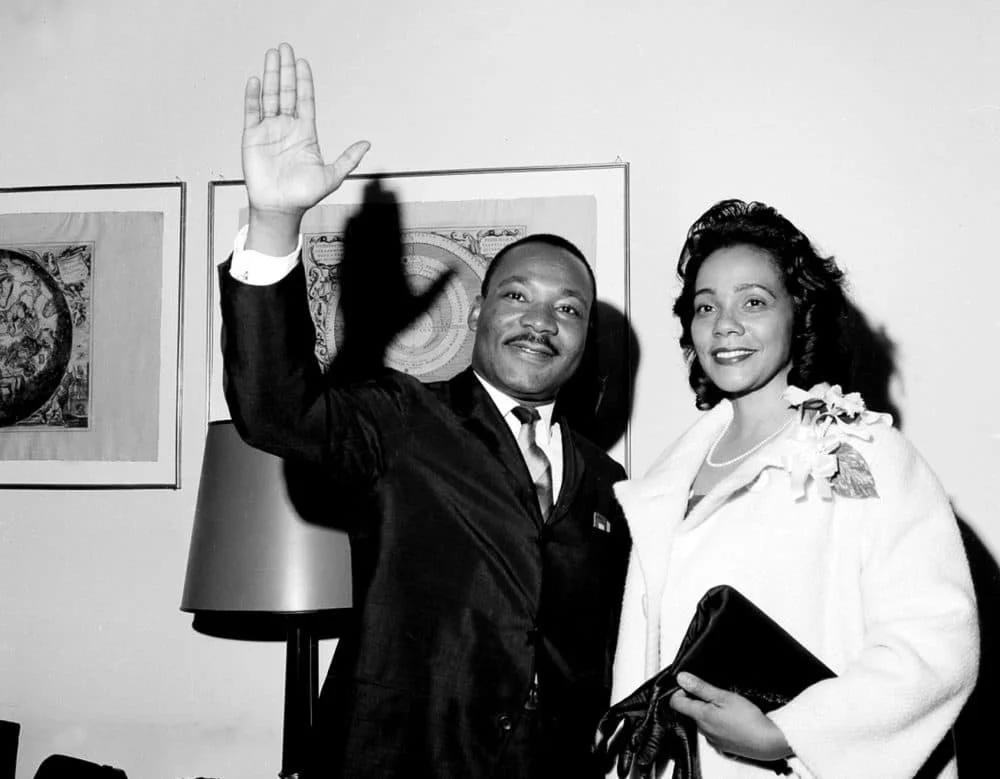
Coretta Scott King became emblematic of the role of African-American women in the struggle for civil rights.
Following her husband’s death, she established the Martin Luther King Jr. Center for Nonviolent Social Change in Atlanta, GA, and successfully campaigned to make Martin Luther King Day a national holiday — a day when millions of Americans honor the legacy through acts of service.
Throughout her life, Coretta continued her activism, advocating for women’s rights, LGBTQ+ rights, and against apartheid.
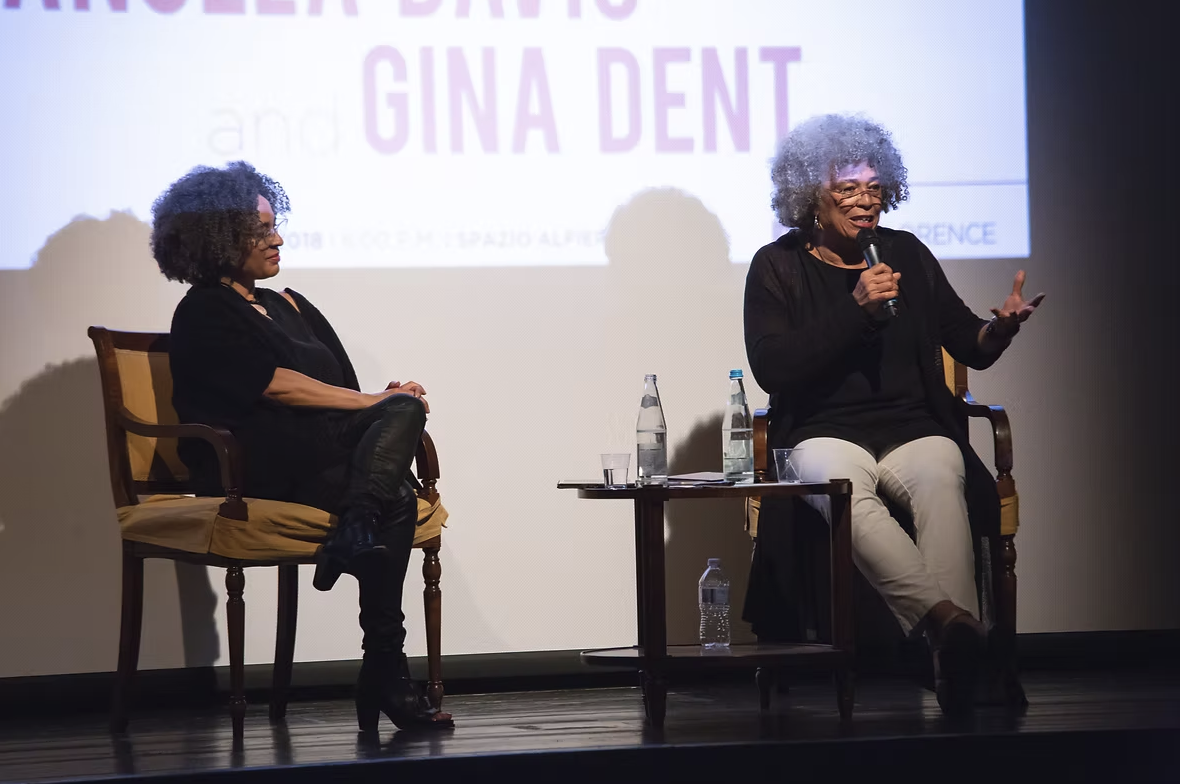
Angela Davis and Gina Dent
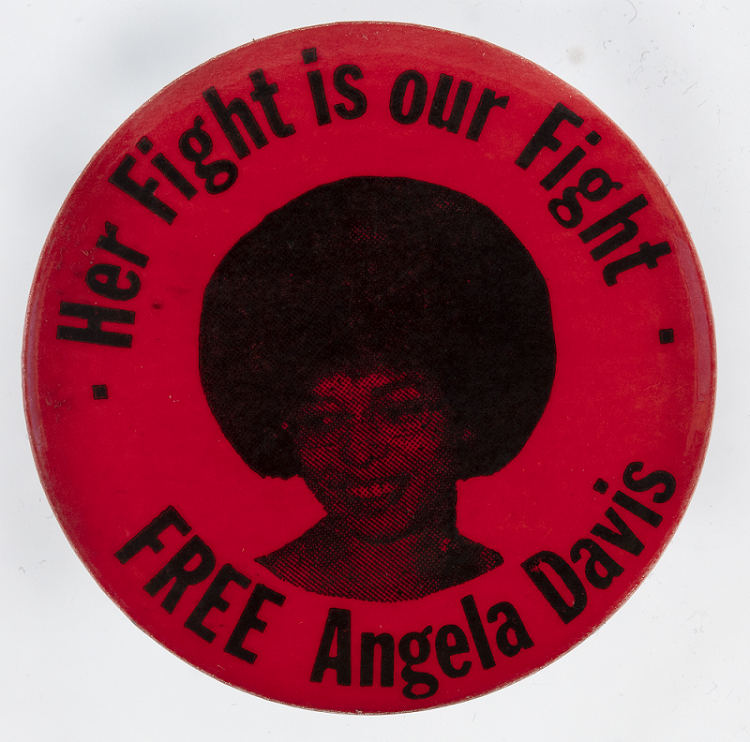
Both longtime feminists, prison abolitionists, and scholars committed to radical change, Davis and Dent are both powerhouses in their own right. Angela Davis gained attention as a political prisoner in the 1970s, sparking a worldwide movement to “Free Angela Davis and All Political Prisoners”.
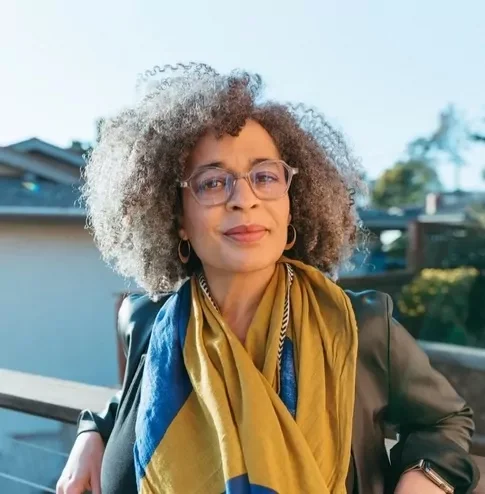
Her works, in particular, Are Prisons Obsolete? demonstrates how mass incarceration disproportionately impacts Black communities and pushes us to ask what ‘justice’ means when punishment becomes the default. The duo are leading academics in critical theory, feminist studies, and Black studies.
Through their writings and teachings, they contributed to creating a world in which women’s rights, LGBTQ+ rights, and economic justice are seen as key cornerstones in the fight for civil rights.
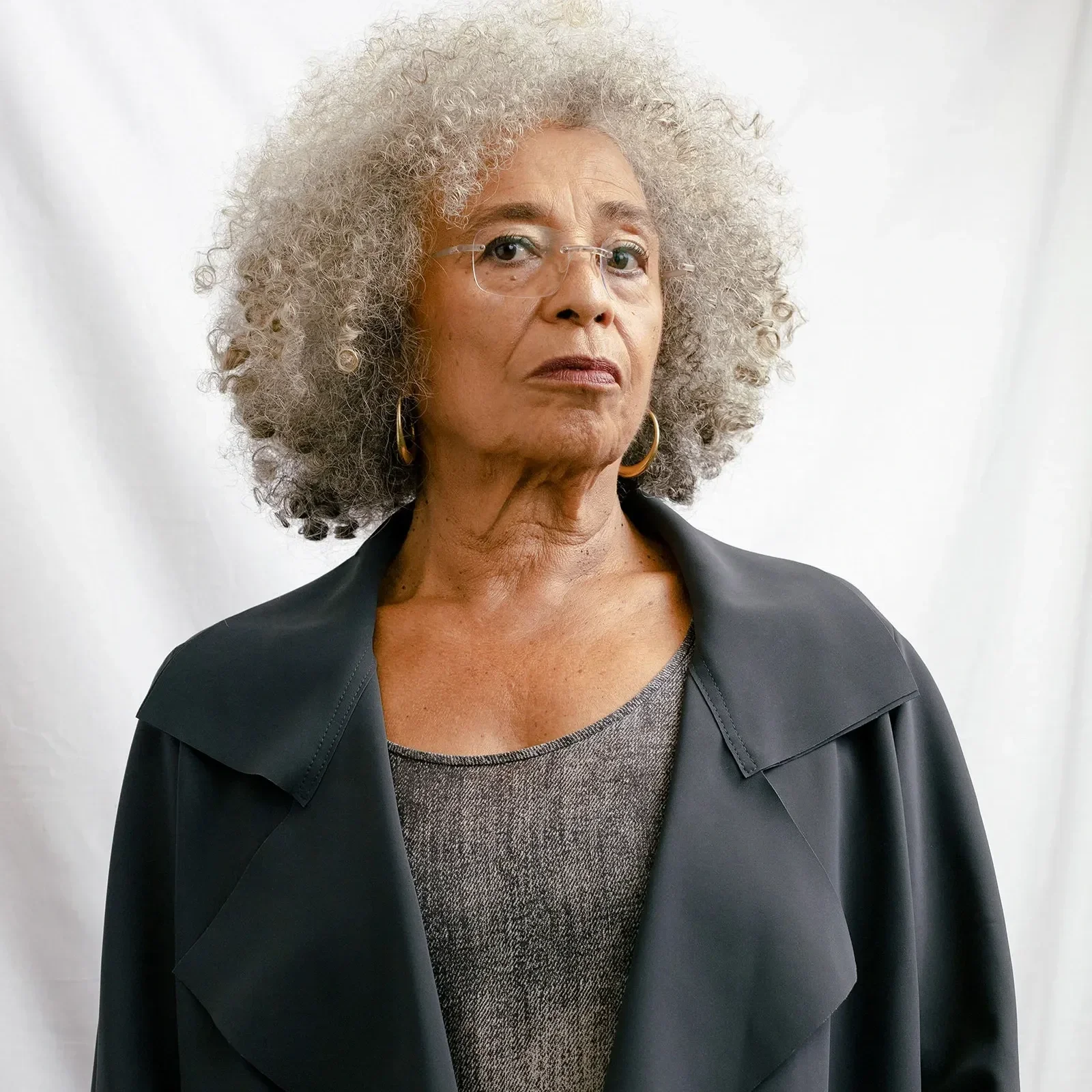
But it’s not just their work that is significant – their visibility and commitment to loving loudly as openly queer Black women is a statement in itself.
In a civil rights history that long been held by heteronormative, patriarchal tropes, their partnership challenges what leadership can and should look like in civil rights movements.
Richard and Mildred Loving
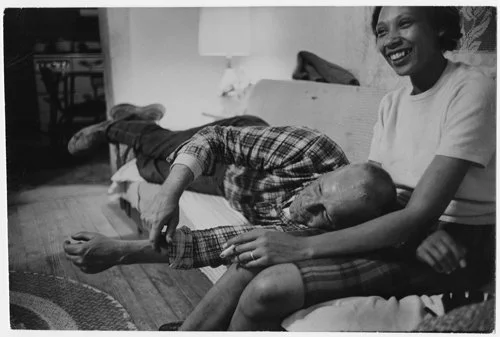
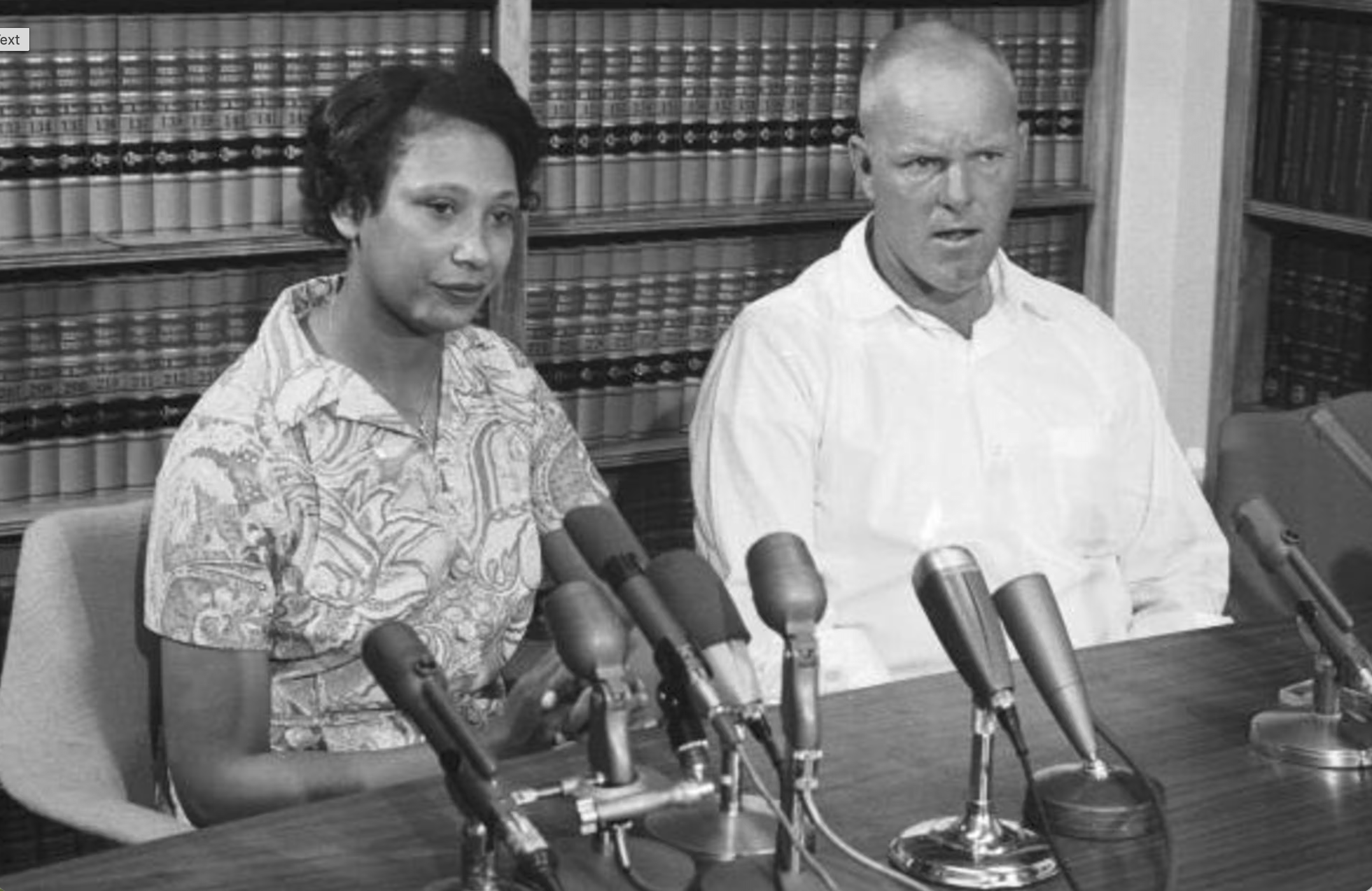
This couple forever changed the face of marriage equality in the United States when they were married on June 2nd, 1958 in Washington, D.C. Richard Loving, a white man, and Mildred Jeter, of mixed Native American and African American ancestry, travelled back to their home state of Virginia following their wedding, and were arrested for violating the Racial Integrity Act of 1924.
After being sentenced to one year in prison, they were banished from Virginia for 25 years. But Virginia was home, and they refused to sacrifice that to appease racist institutions. On the recommendation of Attorney General Robert F. Kennedy, the Lovings reached out to the ACLU, who took their case to the Supreme Court on the grounds that it violated the Fourteenth Amendment. On June 12th, 1967, just a few days after the Lovings’ 9th anniversary, the courts voted unanimously in the Lovings’ favor.
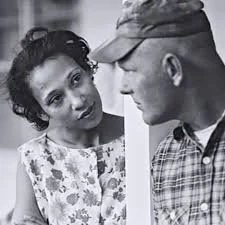
This landmark case changed the course of American history, protecting the right for interracial couples across the country to love and marry openly, and, as a result, protecting the diverse fabric that serves as the bedrock of American culture. This case is a reminder that ‘who gets to love freely’ is always a civil rights question.