
Jyotiba Phule Day: Remembering a Radical Vision of Equality
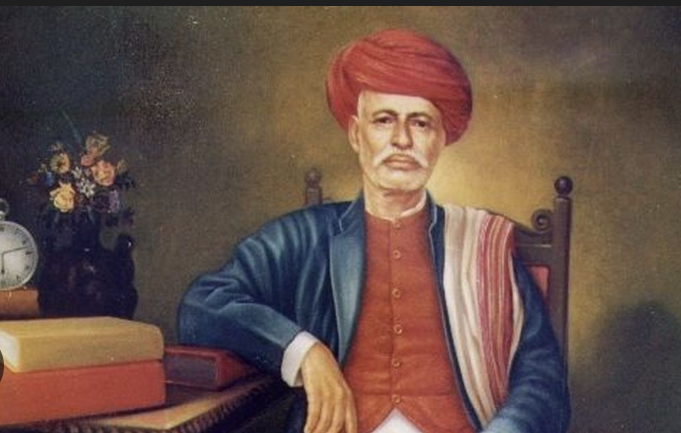
Jyotiba Phule Day invites us to remember not only a towering reformer, but a political and moral tradition that remains unfinished. Jyotiba Phule was one of the clearest and bravest voices against caste hierarchy in modern South Asian history. He saw with devastating clarity how inequality was kept alive not only through force, but through story, custom, religion, and the control of education. He challenged those structures at their roots.
Phule’s legacy matters because he refused small adjustments to an unjust world. He did not simply ask for kindness within hierarchy. He questioned hierarchy itself. He understood that caste was not an accidental social flaw, but a system built to preserve power, humiliation, and exclusion. In naming that truth, he opened a path that later anti-caste thinkers and movements would deepen and expand.
His work on education was especially transformative. Alongside Savitribai Phule, he helped create spaces of learning for those denied knowledge by caste and gender oppression. That act was not merely charitable; it was revolutionary. Education, in Phule’s vision, was a way to break the monopoly of the privileged and return dignity to those whom society had tried to keep invisible. To teach the excluded was to challenge the entire architecture of social control.
Jyotiba Phule also understood that the struggle against caste could not be separated from the struggle for the dignity of women, laboring people, and oppressed communities more broadly. His politics were grounded in a refusal to accept inherited inequality as natural or sacred. That remains one of the most powerful aspects of his thought today. He reminds us that any tradition worth defending must be able to withstand moral scrutiny. Any society that protects hierarchy in the name of purity, status, or divine order must be challenged.
On Jyotiba Phule Day, remembrance should be more than ceremonial. It should move us toward action. Caste discrimination continues to shape lives, opportunities, institutions, and diasporic communities. Access to education remains unequal. Social power still hides behind the language of culture, merit, and respectability. In that sense, Phule is not a figure locked in the past. He is a living challenge to the present.
To honor Jyotiba Phule is to honor truth over comfort. It is to stand with those who continue to resist caste oppression. It is to defend education as a public good. It is to reject any social order that tells people they are lesser by birth. His vision was not narrow, bitter, or destructive. It was expansive. He believed another world could be made: more equal, more honest, and more human.
For readers who want a concise overview of his life and legacy, this is a strong place to start:
https://www.britannica.com/biography/Jyotirao-Phule